


Medically reviewed by Pia Slana, dentist · Last updated: July 2026
- Bad breath (halitosis) is most often caused by bacteria in the mouth breaking down food debris.
- Common contributors include a coated tongue, dry mouth, smoking, certain foods and poor oral hygiene.
- Good daily hygiene, tongue cleaning and staying hydrated prevent most cases.
- Persistent bad breath despite good hygiene should be assessed by a dentist.
Bad breath, known as halitosis, is often an invisible obstacle that can significantly affect our personal and professional relationships. Even though bad breath may seem like a small problem, it can have serious consequences for a person’s self-confidence and quality of life. Most people experience occasional bad breath after eating certain foods or drinks, but persistent halitosis is often a symptom of deeper dental or even systemic problems.
At our OrthoDental dental clinic we often meet patients who are looking for solutions for unpleasant breath but do not know exactly what is causing it. Being aware of the factors that can affect breath is key to managing it successfully.
Causes of bad breath
Bad breath can be the result of numerous factors, ranging from surface habits to deeper health problems. According to the NHS, it is usually caused by a build-up of bacteria in the mouth, particularly when oral hygiene is poor. The five key causes of unpleasant breath include the following:
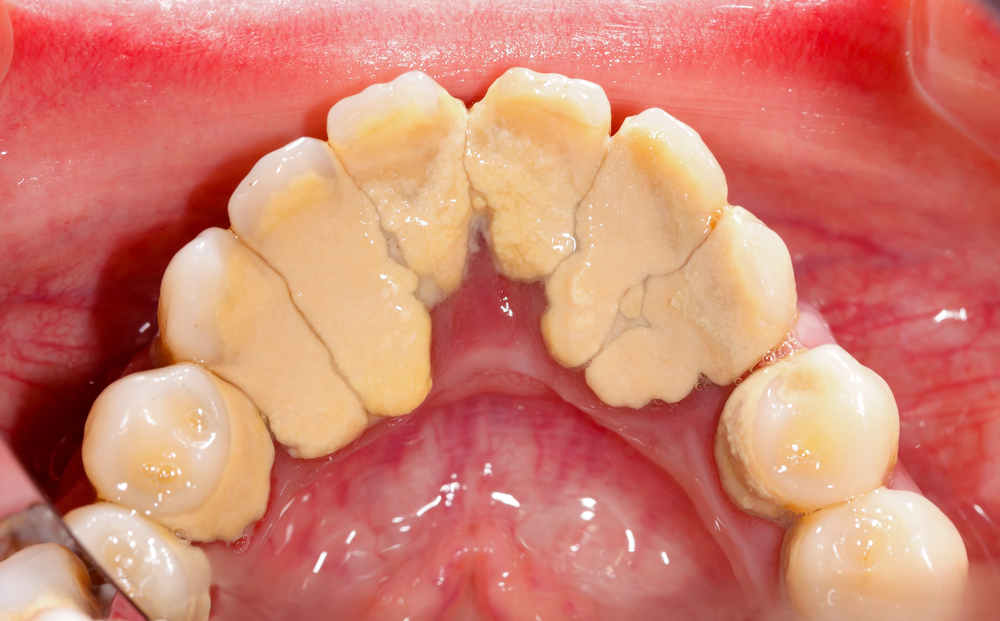
- Accumulated bacteria in the mouth: bacteria that build up between the teeth, on the tongue and gums can release unpleasant odours as they break down food debris.
- Dry mouth: a lack of saliva allows bacteria to flood the oral cavity and prevents its natural cleansing.
- Eating certain foods and drinks: foods such as onion, garlic and coffee can cause direct bad breath.
- Smoking and tobacco: these factors not only cause bad breath but also increase the risk of various gum diseases.
- Health problems: gum disease, sinusitis, diabetes, lung diseases, stomach problems and some other health issues can also cause bad breath.
Other factors that affect breath
Bad breath can also be caused by dental problems such as tooth decay, dental abscesses or gingivitis (gum inflammation). Improper oral hygiene, such as insufficient brushing or not using dental floss and mouthwash, allows bacteria to multiply and release unpleasant odours. A lack of regular tongue cleaning, where bacteria like to linger, is also a common cause.
Dietary habits, such as eating strongly scented foods (garlic, onion, spices), can also be a temporary cause of bad breath. Dehydration, which causes reduced saliva production, is also a very common cause of bad breath, since saliva normally acts as a natural cleanser of the oral cavity.
Because of this wide range of possible causes, it is important to consult a professional, such as a dentist at OrthoDental, if you notice persistent or recurring bad breath, in order to find its source and act accordingly.
How to tell if you have bad breath
Detecting the presence of bad breath is not always easy, because our sense of smell can get used to the constant odours from our own mouth. That is why many people often do not know they have a problem until someone else points it out. Fortunately, there are specific methods and signs that can help us recognise and assess our breath.
Check your breath yourself
One of the simplest ways to quickly check what your breath is like is to breathe into your own palm. After that, inhale deeply through your nose to detect the smell. Although this method is not 100% reliable, it can offer a quick assessment. Another common method is to lick your wrist with the tip of your tongue, let the saliva dry and then smell the area. If you detect an unpleasant smell, it is likely that you have bad breath.
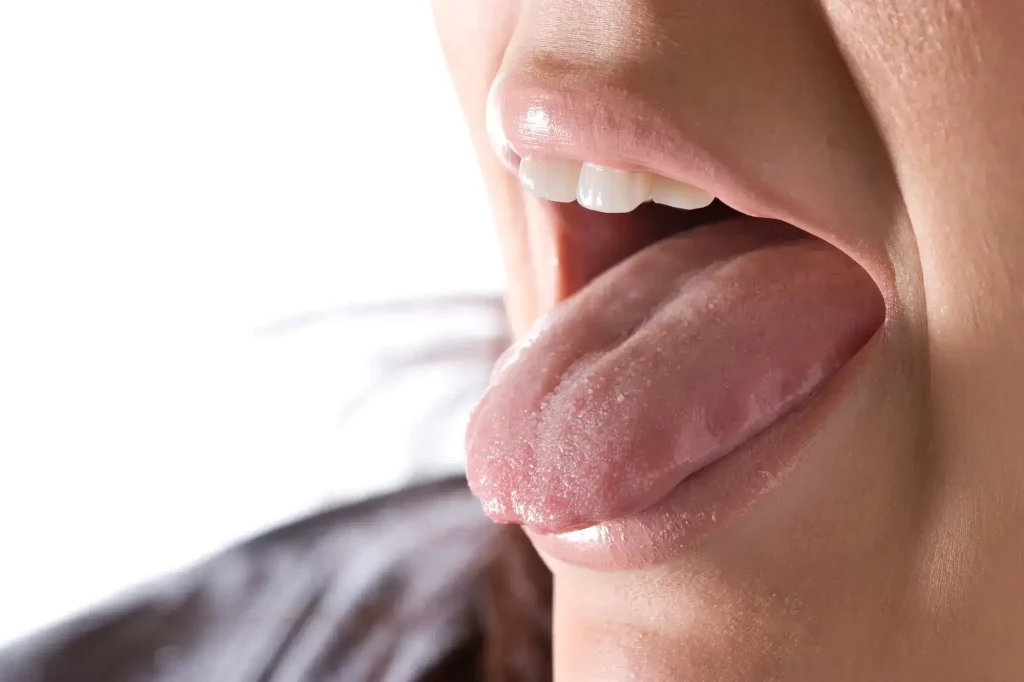
Observing your tongue is another good method for recognising whether you have bad breath. A whitish or yellowish coating on the tongue is often a sign of a build-up of bacteria that can release unpleasant odours.
Learn to recognise the signs of tongue coating
A coating on the tongue is often a central indicator that you are troubled by bad breath. The coating is usually thicker towards the back of the tongue and has a whitish or yellowish tint. It consists of dead cells, food debris and bacteria that can accumulate on the surface of the tongue. If you do not clean your tongue regularly, bacteria break down these particles and release sulphur compounds that cause an unpleasant smell. Food can also collect between the teeth, so it is advisable to use dental floss and brush your teeth thoroughly.
| Habit | How often | Why it matters |
|---|---|---|
| Brushing | Twice a day | Removes plaque |
| Flossing | Daily | Cleans between teeth |
| Professional cleaning | Every 6 months | Removes tartar |
Tips for preventing and treating bad breath
The importance of regular oral hygiene
Oral hygiene is the fundamental line of defence against bad breath. Regular brushing at least twice a day, using dental floss and cleaning the tongue help remove food debris and bacteria, which are the main cause of bad breath. Read more in our guide to oral hygiene.
The effect of fluids on oral health
Dehydration can reduce the production of saliva, which naturally cleanses the walls of the oral cavity and neutralises bacteria. Drinking enough water throughout the day helps maintain moisture in the mouth and prevents bad breath.
Drinks and habits that can cause bad breath
Coffee, alcoholic drinks and smoking can worsen breath, as they inhibit saliva production and create an environment where bacteria multiply rapidly. Limiting these habits can help improve the quality of your breath.
Alcohol also causes problems for your oral health
Alcohol dries out the oral cavity, which reduces saliva production. In addition, some mouthwashes that contain alcohol also worsen bad breath.
Chewing to stimulate saliva and oral health
Chewing sugar-free gum or eating crunchy vegetable snacks such as carrots or apples can increase saliva production and help cleanse the oral cavity.
Managing stress for better oral health
Stress can affect oral health, as it increases acidity in the mouth and reduces saliva production. Finding techniques to manage stress, such as meditation or physical exercise, can indirectly help improve the quality of your breath.
Is there a home-remedy trick that can help in the fight against bad breath?
The home medicine cabinet offers numerous natural solutions for combating bad breath. One option, for example, is rinsing the mouth with a solution of baking soda and water, which can act as a natural mouthwash by neutralising acidic substances in the mouth that are common causes of bad breath. Green tea is also an excellent natural remedy against bad breath, thanks to its antioxidant properties and ability to inhibit bacterial growth.
Other home preparations include rinsing the mouth with a solution of salt and water, which can reduce gum inflammation, or chewing parsley, mint or basil leaves, which act as natural breath fresheners. Regularly eating yoghurt or other probiotic foods can also help balance the bacterial flora in the mouth, which reduces the chance of bad breath.
Book an examination at OrthoDental
When to seek professional help?
Sometimes home care and proper oral hygiene are not enough to eliminate bad breath problems. If, despite regular brushing, using dental floss and rinsing the mouth with suitable mouthwashes, you still notice bad breath, it is time to consult a dentist at OrthoDental. Chronic bad breath can indicate other health problems, such as gum inflammation, infections in the oral cavity or even digestive problems.
Have you heard of halitophobia?
Halitophobia is a condition in which a person mistakenly believes they constantly emit an unpleasant smell from their mouth, even though this is not true. If you suspect that worry about your breath is causing you too much trouble or negatively affecting your daily life, it may be worth considering a consultation with a professional.
Bad breath is not only socially unpleasant but can also be a symptom of deeper health problems. It is important to understand that while home remedies for bad breath and basic oral hygiene are enough to prevent problems in many cases, there are also situations where professional help from a dentist is needed.
At the OrthoDental dental clinic, we are committed to caring for your oral health as a whole. If you are worried about your breath or other problems with your teeth and gums, we invite you to come in and consult our specialists. Together we will find the best solution for your individual needs and make sure you can once again enjoy a carefree smile.
You may also be interested in related topics such as tooth decay and dental tartar, which can also contribute to bad breath.
Frequently asked questions
What is the main cause of bad breath?
In most cases it is a build-up of bacteria in the mouth, on the tongue, between the teeth and along the gums, which release unpleasant sulphur compounds as they break down food debris. Poor oral hygiene and a dry mouth make it worse.
How can I check my own breath?
Lick the back of your wrist, let the saliva dry and then smell it, or look for a white or yellow coating towards the back of the tongue. These home checks are not fully reliable, so a dentist can give a clearer assessment.
Do mouthwashes cure bad breath?
They can freshen breath temporarily, but alcohol-based mouthwashes may dry the mouth and make matters worse. Lasting results come from removing the cause, such as plaque, tartar or a coated tongue.
When should I see a dentist about bad breath?
If bad breath persists despite good oral hygiene, book an appointment. It can be a sign of gum disease, tooth decay or another health problem that needs treatment.
Related reading
- Oral hygiene essentials
- Dry mouth: causes and relief
- Dental tartar and how to prevent it
- Gingivitis and gum inflammation
- Tooth decay and cavities
Ready for a healthy, confident smile?
Book a dental examination in Ljubljana or Kozina.
Book a check-upLearn about professional hygiene & tartar removal


Dental bridge price | How much does a dental bridge cost?
What does a dental bridge cost? Learn how a bridge replaces missing teeth and see OrthoDental’s transparent price list, with instalment payment options.

Snoring | Causes, symptoms and solutions
Snoring can be more than a night-time nuisance, it may point to more serious conditions such as sleep apnea. Learn the causes, risks and solutions.

Dental tartar: causes, symptoms and removal
Dental tartar irritates the gums and cannot be removed by brushing. Learn how it forms, how to recognise it, and how professional cleaning works – €60 for both arches.
