


Medically reviewed by Pia Slana, dentist · Last updated: July 2026
- Teeth polishing gently removes surface stains and smooths the teeth — it is not whitening and does not change the tooth’s natural colour.
- Smooth teeth pick up new deposits less easily, making daily hygiene easier.
- It is safe when done professionally; avoid home methods like baking soda or lemon, which can damage enamel.
- At OrthoDental in Ljubljana, polishing of both dental arches costs €50.
Teeth polishing is one of those treatments where the difference is often noticeable straight away. After polishing, teeth feel smoother and cleaner to the touch, and your smile can look fresher and more cared for. It is not teeth whitening – it is the gentle removal of surface stains and the smoothing of the tooth surfaces.
People most often choose teeth polishing because they are bothered by stains from coffee, tea, cigarettes or food, or simply because they want an even more pleasant feeling in the mouth after a professional cleaning. When teeth are smooth, deposits cling to them less easily, so daily hygiene becomes easier too.
What is teeth polishing?
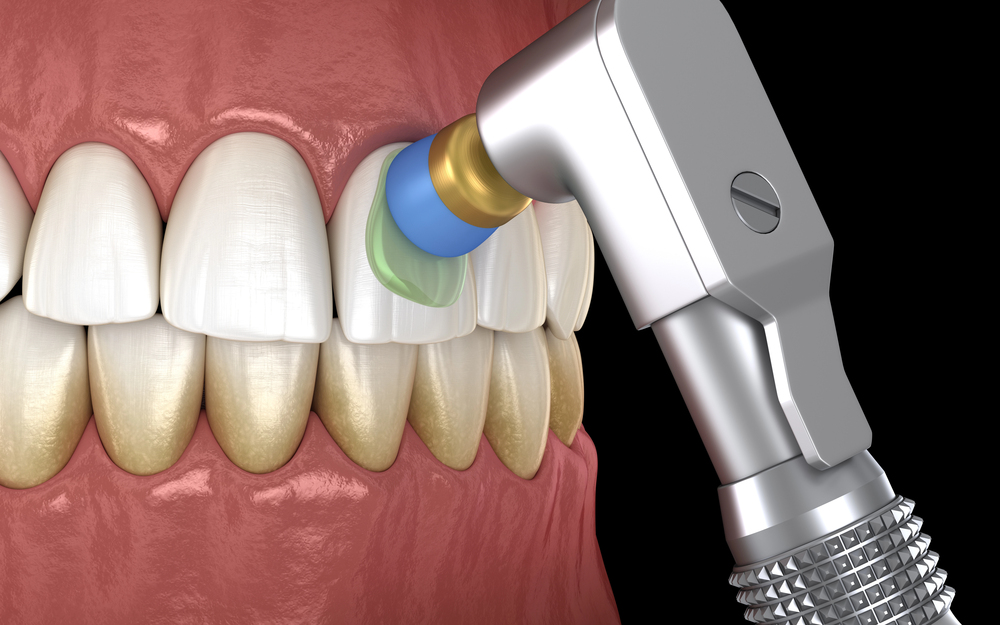
Teeth polishing is a professional dental treatment in which the surface of the teeth is cleaned and smoothed using special pastes and attachments. The purpose is to remove soft deposits, minor surface stains and any rough feeling on the teeth.
After polishing, teeth are not only nicer to look at. Many patients say their teeth feel smoother and easier to clean afterwards. This is one of the main benefits of polishing, since new deposits generally find it harder to stick to smooth surfaces.
Polishing is a gentler procedure than many people expect. It does not change the shape of the teeth, does not thin the enamel and does not act as aggressive whitening. It is an aesthetic and hygienic addition to oral care that can nicely refresh the appearance of your smile.
When is teeth polishing a good choice?
Teeth polishing makes sense when you notice that your teeth are no longer as smooth as you would like, or when surface stains appear on them. These are very common, especially in people who regularly drink coffee, black tea, red wine or who smoke.
Patients also often decide on polishing before important events – photo shoots, weddings, meetings – or simply because they want a more cared-for feeling in the mouth.
Teeth polishing is suitable if you are bothered by:
- surface stains on the teeth,
- discolouration from coffee, tea or cigarettes,
- a rough feeling on the teeth,
- a sense that your teeth are not completely smooth despite brushing,
- a less fresh-looking smile,
- a build-up of soft dental deposits.
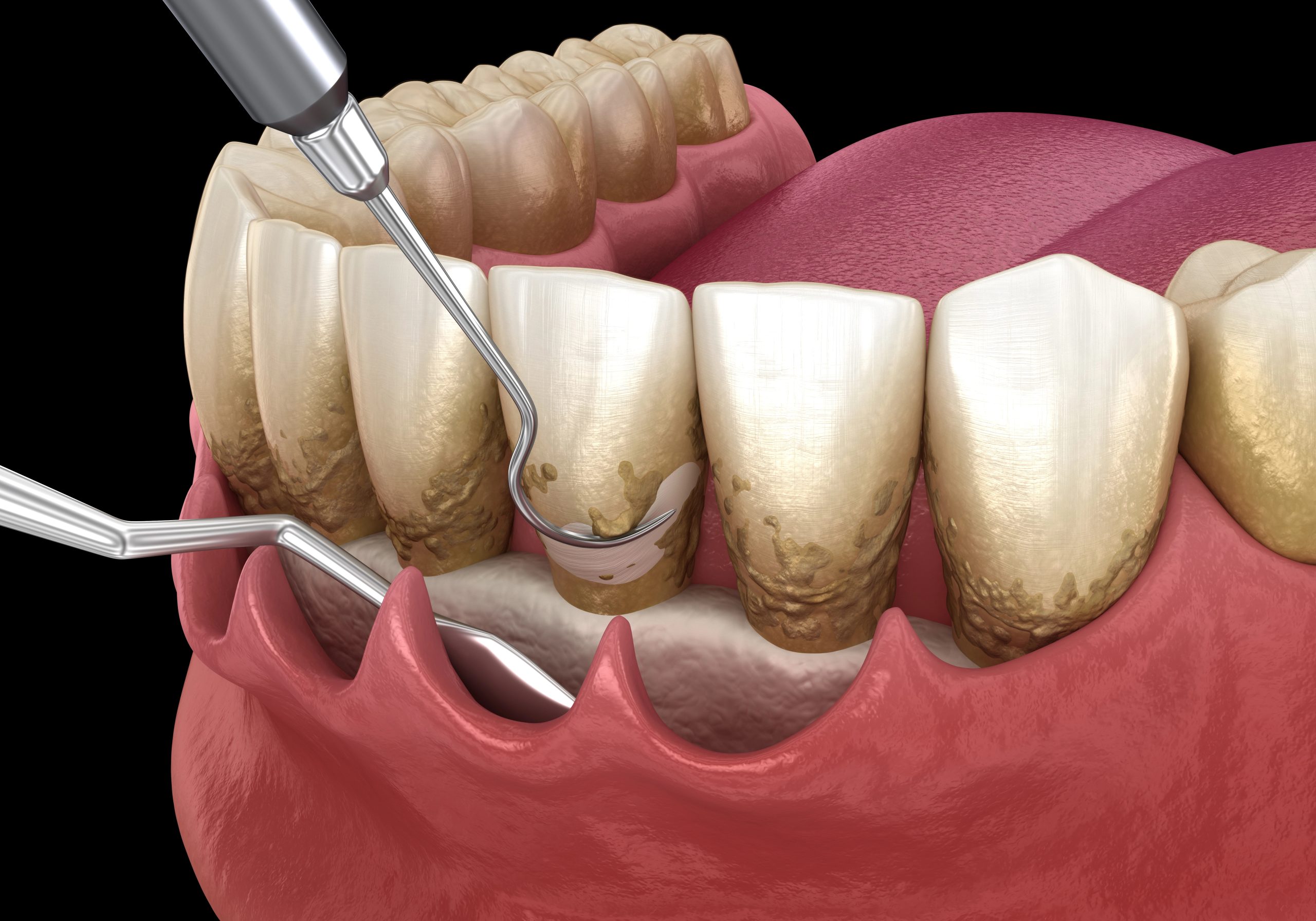
It is important to know that polishing does not replace treatment of the teeth or gums. If tartar, gum inflammation, tooth decay or other problems are present, the underlying condition in the mouth needs to be addressed first. Polishing is most effective when it is part of well-managed, professionally guided oral hygiene.
Teeth polishing is not the same as teeth whitening
Many people confuse polishing with whitening, but these are two different procedures.
During polishing, we mainly remove surface stains and deposits. Teeth may look brighter afterwards because we remove stains that have built up over time, but polishing does not change the natural colour of the tooth.
Teeth whitening is a different procedure. Its purpose is to lighten the natural colour of the tooth using special whitening agents. The effect of whitening is therefore more pronounced, but also different from the effect of polishing.
Put simply: teeth polishing gives teeth a cleaner, smoother and more cared-for appearance, while whitening changes the shade of the teeth. If you are mainly bothered by stains from coffee or cigarettes, polishing is often the first sensible step. Only afterwards is it easier to assess whether whitening is needed at all. You can read more on our teeth whitening page.
How is teeth polishing done?
The procedure is simple and very well tolerated by most patients. First, the dentist or oral hygienist examines the condition of the teeth and gums. Then the tooth surfaces are polished with special professional pastes and attachments that remove soft deposits and surface stains.
Polishing is carried out carefully, tooth by tooth. Special attention is paid to areas where deposits most often accumulate or where discolouration is more visible. After the procedure, teeth feel smoother to the touch — the sensation patients most often notice immediately. Need an oral hygienist? You can book with our oral hygienist in Ljubljana.
Does teeth polishing hurt?
Teeth polishing usually does not hurt. Most patients experience it as a pleasant or at least undemanding procedure. You may feel a slightly unusual sensation from the vibrations, the taste of the paste or the touch of the attachment, but there is generally no pain.
If you have very sensitive teeth or inflamed gums, you may feel slight discomfort. In that case the procedure is adapted to your condition. It is important to mention beforehand if you have sensitive teeth, bleeding gums or discomfort during cleaning.
| Habit | How often | Why it matters |
|---|---|---|
| Brushing | Twice a day | Removes plaque |
| Flossing | Daily | Cleans between teeth |
| Professional cleaning | Every 6 months | Removes tartar |
Is teeth polishing safe?
Yes, when performed by a professional with the right equipment. Professional teeth polishing is safe and gentle on the tooth surfaces. It is intended to smooth and remove surface deposits, not to grind down the teeth.
It is a different story with home attempts using aggressive pastes, baking soda, lemon or other preparations people find online. Such methods are not the best choice, as they can damage the enamel, irritate the gums or cause tooth sensitivity. If you want smooth, nicer-looking teeth, it is better to choose professional polishing than to experiment at home.
How long does the effect of teeth polishing last?
The effect depends on your habits. For someone who does not smoke and does not drink much coffee or tea, the feeling of smooth teeth can last longer. For smokers and coffee lovers, discolouration may start to return more quickly.
The duration of the effect mainly depends on the quality of daily brushing, cleaning between the teeth, smoking, drinking coffee, tea or red wine, dietary habits, and how quickly dental deposits build up. After polishing, keep up regular oral hygiene: brush twice a day and clean between your teeth every day, as deposits often build up right between the teeth where a toothbrush cannot reach.
How often is teeth polishing recommended?
For most people, teeth polishing makes sense once or twice a year, often together with a regular preventive check-up or professional cleaning. For those who get discolouration more quickly, smoke or often drink coffee, polishing may be recommended more frequently.
The best interval depends on the condition of your teeth, gums and lifestyle habits, so it is best determined by a dentist or oral hygienist. There is no need to overdo it — polishing should be a professionally performed procedure at the right time, not something you try to repeat frequently at home.
Teeth polishing at home or at the dentist?
At home you can do a lot for a nicer appearance of your teeth. Regular brushing, using dental floss or interdental brushes and good cleaning technique are the basics. But home brushing cannot achieve the same effect as professional polishing.
Toothpastes for “polishing” or “whitening” can help with maintaining hygiene, but their effect is limited, and overly abrasive pastes can irritate the teeth or gums with excessive use. Professional polishing is more precise, safer and tailored to your condition.
Who is teeth polishing especially suitable for?
Teeth polishing is a good choice for people who want to refresh the appearance of their smile without whitening. We especially often recommend it to smokers, people who often drink coffee or tea, patients with surface stains, those who want a smoother feeling on their teeth, before important events, and as part of regular oral hygiene.
If you have deeper internal discolouration of the teeth, polishing may not be enough. In that case we can also discuss other options, such as teeth whitening or aesthetic solutions.
What can you expect after polishing?
After polishing, teeth are usually smoother, cleaner and more pleasant to the touch. Many patients also notice that their smile looks fresher, even though the teeth were not whitened.
You can carry on with your day normally after the procedure — no special recovery is needed. It is advisable, however, to avoid strongly coloured drinks and food for a while, especially if more noticeable stains were removed. For a longer-lasting effect, continue with good home hygiene.
How much does teeth polishing cost?
At OrthoDental in Ljubljana, polishing of both dental arches costs €50. The procedure is suitable for anyone who wants smoother teeth, a fresh feeling in the mouth and a nicer-looking smile. If you are bothered by surface stains, coffee marks or a rough feeling on your teeth, teeth polishing is a simple and safe solution.
Teeth polishing at OrthoDental
At OrthoDental we perform teeth polishing professionally, precisely and with care for the patient. Before the procedure we assess the condition of the teeth and gums, then carefully polish the tooth surfaces to remove surface deposits and stains. The goal is not only a nicer smile, but also a more pleasant feeling in the mouth: smooth teeth are easier to clean, less rough and fresher to the touch.
Frequently asked questions about teeth polishing
Does teeth polishing whiten teeth?
Teeth polishing does not work the same way as whitening. It removes surface stains, so teeth may look brighter and cleaner, but it does not change the natural colour of the tooth.
Does teeth polishing hurt?
For most patients, no. The procedure is usually painless and well tolerated. With sensitive teeth or inflamed gums it can be slightly uncomfortable, but we can adapt to that.
How long does teeth polishing take?
The duration depends on the condition of the teeth and the amount of deposits or discolouration. It is usually a relatively short and simple procedure.
Is teeth polishing safe?
Yes, if performed by a dentist or oral hygienist with the right professional equipment. We do not recommend aggressive home methods such as lemon, baking soda or abrasive pastes.
How often is teeth polishing recommended?
Most often once or twice a year, depending on your habits, discolouration and the condition of your teeth. Smokers and people who often drink coffee or tea may need it more frequently.
How much does teeth polishing cost at OrthoDental?
At OrthoDental, polishing of both dental arches costs €50. Do you also need tartar removal? See the tartar cleaning price.
Related reading
Ready for a fresher, smoother smile?
Book a dental examination in Ljubljana or Kozina.


Dental bridge | How to replace missing teeth
A dental bridge replaces one or more missing teeth and restores chewing, speech and aesthetics. Learn about materials, the procedure and prices at OrthoDental.

Sleep apnea | Symptoms, causes and a mandibular advancement device
Explore sleep apnea treatment options that can improve your quality of life. Find out how a custom mandibular advancement device at OrthoDental can help you sleep better.

Veneers price | How much do dental veneers cost?
How much do dental veneers cost? The price depends on the type of veneer – see OrthoDental’s transparent, fully explained price list.
