In dentistry, fillings are one of the most commonly used means of maintaining the health and functionality of teeth. When faced with tooth decay or other damage to the tooth, fillings are the solution that helps to maintain a healthy smile for as long as possible. But when choosing a filling, we often find ourselves faced with the decision of which type of filling to choose. There are various options available on the market, the most commonly mentioned being white fillings and amalgam fillings. While white fillings, also known as composite fillings, have gained popularity for their aesthetic benefits, amalgam fillings have also been a reliable choice in dentistry for decades.
Do you know the basics about dental fillings?
Fillings are dental materials used to restore damaged or decayed teeth. Their primary function is to restore the shape and function of the tooth, prevent further decay, and protect the tooth from bacteria. Fillings are essential when a tooth is already so damaged that it cannot be saved by other methods.
What are amalgam fillings?
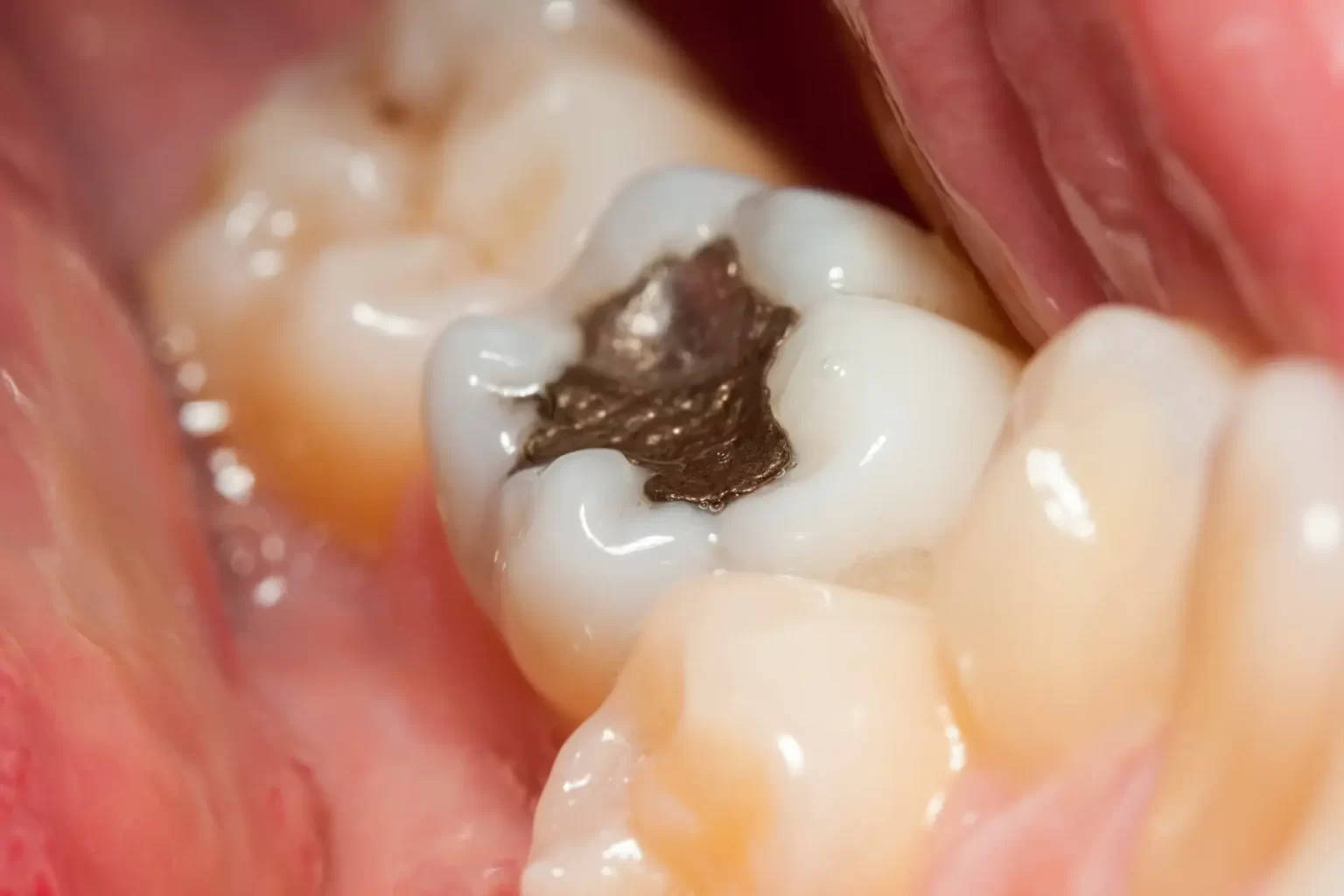
Amalgam fillings are a type of dental filling containing amalgam. Amalgam is a mixture made up of a combination of different metals such as mercury, copper, tin, zinc, and other metals. Due to their durability and long lifespan, they have been the standard in dentistry for decades. Although they contain mercury, they are considered safe as the mercury content of amalgam is very low.
Why do we need fillings at all?
Fillings are needed to restore teeth that have been affected by tooth decay or have been damaged in other ways. Fillings prevent further tooth decay by filling the space where decay has been removed, thus preventing bacteria from entering. Without fillings, more frequent tooth extractions would be necessary, which could lead to many other health problems. Are you interested in what kind of filling your child needs? Read more here: https://orthodental.si/en/paediatric-dentistry/
Fundamental differences between white and amalgam fillings
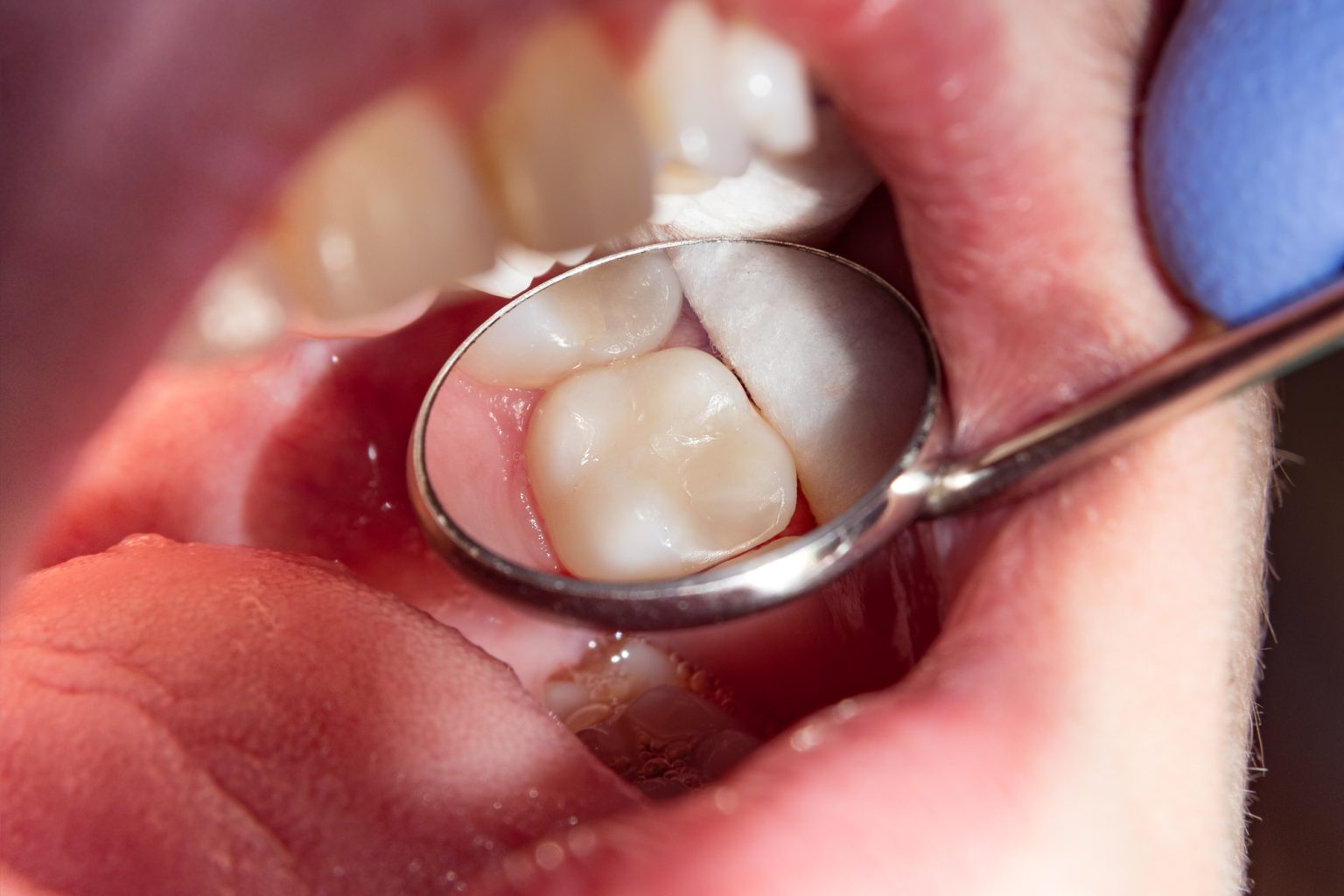
White fillings are made from a mixture of plastic resins and fine glass or ceramic particles. This combination of materials allows the filling to be strong, yet flexible enough to be molded to the exact shape of the tooth. In addition, the composite materials can be colored to perfectly match the natural color of the patient’s tooth, which contributes to the aesthetically natural and inconspicuous appearance of the filling.
Amalgam fillings are known for their durability and long lifespan, but their grey color makes them more noticeable, in addition to containing mercury. The main difference between the two types of filling is therefore in the material from which they are made and in their appearance and durability.
Why is it a good idea to replace amalgam fillings?
Replacement of amalgam fillings is recommended in some cases, as they can wear or crack over time and also contain mercury. This can lead to re-infection of the tooth with bacteria and further caries development under the existing filling. In addition, replacing amalgam fillings with more aesthetically sophisticated materials, such as white fillings, can give patients a more natural and aesthetically pleasing smile.
How does amalgam filling removal work?
Assessment and diagnostics: Before replacing an amalgam filling, your OrthoDental dentist thoroughly examines your teeth and assesses the condition of the existing filling. They also check for any caries or other problems.
Removal of the old filling: In this step, the dentist carefully removes the old amalgam filling and all of the amalgam, using specialised tools that allow precise and safe removal of the material.
Cleaning the tooth cavity: After the old filling has been removed, the dentist cleans the tooth cavity. Any remaining decay is removed and the tooth is thoroughly cleaned so it is ready for the new filling.
Placing the new filling: A new material, such as a white filling colour-matched to the natural shade of your teeth, is then placed into the prepared cavity.
Curing the filling: After the new filling is placed, the dentist shapes the material to match the natural shape of your tooth. The filling is then cured with a special light that ensures its strength and longevity.
Grinding and polishing: Curing is followed by the final grinding and polishing of the filling to achieve a smooth, natural feel and an aesthetically pleasing appearance.
Safe removal of amalgam fillings with a rubber dam
When removing amalgam fillings, a rubber dam can be used as a protective barrier between the tooth and the rest of the oral cavity. It prevents particles of the removed filling, mercury, amalgam and other materials from coming into contact with the oral mucosa or the tongue, or from being swallowed by the patient. The rubber dam thus provides a safer and cleaner working environment during the filling removal procedure.
What about the release of harmful gases during filling replacement?
During the process of replacing fillings, whether amalgam or other types, dentists use advanced techniques and equipment to minimize the patient’s exposure to possible gases or dust. Care and professionalism in the procedure ensure that the replacement of fillings is safe and comfortable for the patient.
What advantages do white fillings or composite fillings give you?
A white filling is a modern dental solution designed for a wide range of applications. It can be used to effectively fill small, medium, or large holes in the tooth, which is crucial in the treatment of caries. One of the important advantages of a white filling is that it is very gentle on the tooth: only the damaged part is removed, while the healthy tooth structure remains intact.
In addition, white fillings are not just for cavity removal. It also allows you to replace existing amalgam fillings, which can be an option for those who want a more aesthetically sophisticated look for their smile. White fillings blend in perfectly with the natural color of the teeth and are almost invisible.
A white filling also called a composite filling, is also an excellent choice for correcting the shape of the tooth. This is particularly useful when the tooth is damaged or worn down. By using a white filling, it is possible to restore the tooth to a natural and aesthetically pleasing appearance. The composite material of the white filling is also used to make the tooth complete.
Are there any disadvantages to white fillings?
Despite the many advantages offered by composite fillings, there are also some limitations. The first is the lifespan, which is on average five to seven years, which is shorter compared to amalgam fillings. Installing a composite filling can also be a little more time-consuming, as it requires more precise work and more steps in the procedure itself. This can be particularly challenging for children and people with special needs, who find it more difficult to sit still in the dentist’s chair for long periods of time. It is important to be aware that composite fillings can become stained over time, especially if the patient consumes a lot of colored beverages such as coffee, tea, or wine.
Are white fillings less durable than amalgam fillings?
White fillings have seen major advances in the quality of materials and technology in recent years. Traditionally, they were considered less durable than amalgam fillings, but today’s composite materials are providing increasingly longer lifespans. However, the durability of a white filling can also depend on several factors, such as the size and location of the filling, the oral hygiene of the patient, and regular dental check-ups.
White fillings on front teeth
A white filling can be placed on the front teeth, and the procedure usually involves removing the damaged or carious part of the tooth, preparing the tooth surface, and applying and shaping the composite material. Because the front teeth make an important contribution to the aesthetic appearance, the dentist at OrthoDental carefully selects the color of the composite material to perfectly match the natural color of the rest of the teeth.
How long do white fillings last?
With modern materials and techniques, the lifespan of white fillings averages between five and seven years, but this varies greatly depending on individual factors such as oral hygiene, eating habits, and regular dental check-ups. It is also important that white fillings are placed correctly to ensure their longevity.
The price of a white filling compared to an amalgam filling
The price of a white filling may be slightly higher compared to amalgam fillings. This is partly due to the use of high-quality and aesthetically sophisticated materials and a more complex installation process. At OrthoDental, the prices of the services are clearly set out and you are informed of all the details before making a decision. The price of a white filling is €100 for a single-surface filling, €120 for a two-surface filling, and €150 for a filling covering three or four surfaces. You can also choose to pay in 84 installments with the help of our partner Leanpay.
What is the durability of the different fillings?
The price and durability of seals can vary depending on the type of material used and the complexity of the process. In general, amalgam fillings tend to be slightly cheaper and are known for their durability. The price of a white filling is slightly higher, but white fillings offer outstanding aesthetic results and durability. At OrthoDental, we provide you with detailed information about the prices and durability of different types of fillings, allowing you to make an informed decision about the best solution for your dental health and appearance.
Pain and difficulties after a filling
After a new filling is placed – whether it is white or amalgam – the tooth may be temporarily sensitive to changes in temperature, pressure, or sugary foods. This sensitivity is mostly temporary and subsides within a few days to weeks. In rare cases, if the pain persists or even worsens, it is advisable to contact your dentist to check whether the filling is correctly placed and whether there are any other problems.
How harmful are amalgam fillings?
Amalgam fillings have been the standard in dentistry for many years and are made up of a mixture of different metals called amalgam. Expert studies and agencies such as the World Health Organisation (WHO) and the US Food and Drug Administration (FDA) have assessed that amalgam fillings are safe for use in most people. However, more and more patients are choosing to have amalgam removed. Alternatives are available, such as the fabrication of white fillings, mainly for aesthetic reasons and the desire to use metal-free materials.
Is it possible to have teeth without fillings?
It is also possible to have teeth without fillings, depending largely on preventive oral care. Regular and thorough brushing, flossing, regular dental check-ups, and a balanced diet are key steps to prevent the onset of dental diseases such as cavities, which would otherwise require treatment and, consequently, a filling.
Why is it a good idea to get fillings even if nothing hurts?
Even if they were originally placed correctly, fillings can weaken or crack over time, leading to the reoccurrence of caries under the filling. Replacing an old filling is a proactive dental health measure to prevent further complications.
Visit us at OrthoDental to help you achieve oral health and a beautiful smile!
What to do when you have very deep caries or a granuloma that cannot be fixed with a filling? Read more about root canal treatment here: https://orthodental.si/en/root-canal-price/
Avtor prispevka
Matej Bosak

Dental tartar cleaning price | How much does scaling cost?
Is tartar building up on your teeth? See our detailed price breakdown and find out how much dental tartar (calculus) removal costs at OrthoDental.

Oral hygienist Ljubljana | Professional tartar cleaning for 60 €
An oral hygienist in Ljubljana for 60 € offers professional tartar cleaning in both dental arches at a clear price, with no hidden costs. The visit includes tartar removal, cleaning of soft deposits and advice for better oral hygiene.

Veneers price | How much do dental veneers cost?
How much do dental veneers cost? The price depends on the type of veneer – see OrthoDental’s transparent, fully explained price list.