


Medically reviewed by Pia Slana, dentist · Last updated: July 2026
Quick takeaways
- Periodontitis is a chronic infection of the tissues that hold your teeth in place, and it is the leading cause of tooth loss in adults.
- It usually develops slowly and without pain, so bleeding or receding gums are important early warning signs.
- The main cause is dental plaque and tartar building up along and below the gumline.
- Caught early, it can be controlled with non-surgical cleaning; advanced cases may need surgery.
- Daily brushing and flossing plus regular dental check-ups are the best prevention.
Periodontal disease is a dangerous and often overlooked disease of the oral cavity, which is often confused with normal gingivitis. Although the symptoms may seem insignificant in the initial stages, periodontal disease can cause permanent damage to the teeth and gums if not treated in time. It progresses quietly, hidden behind the smiles of many individuals, without them even knowing how dangerous it is.
What is periodontal disease?
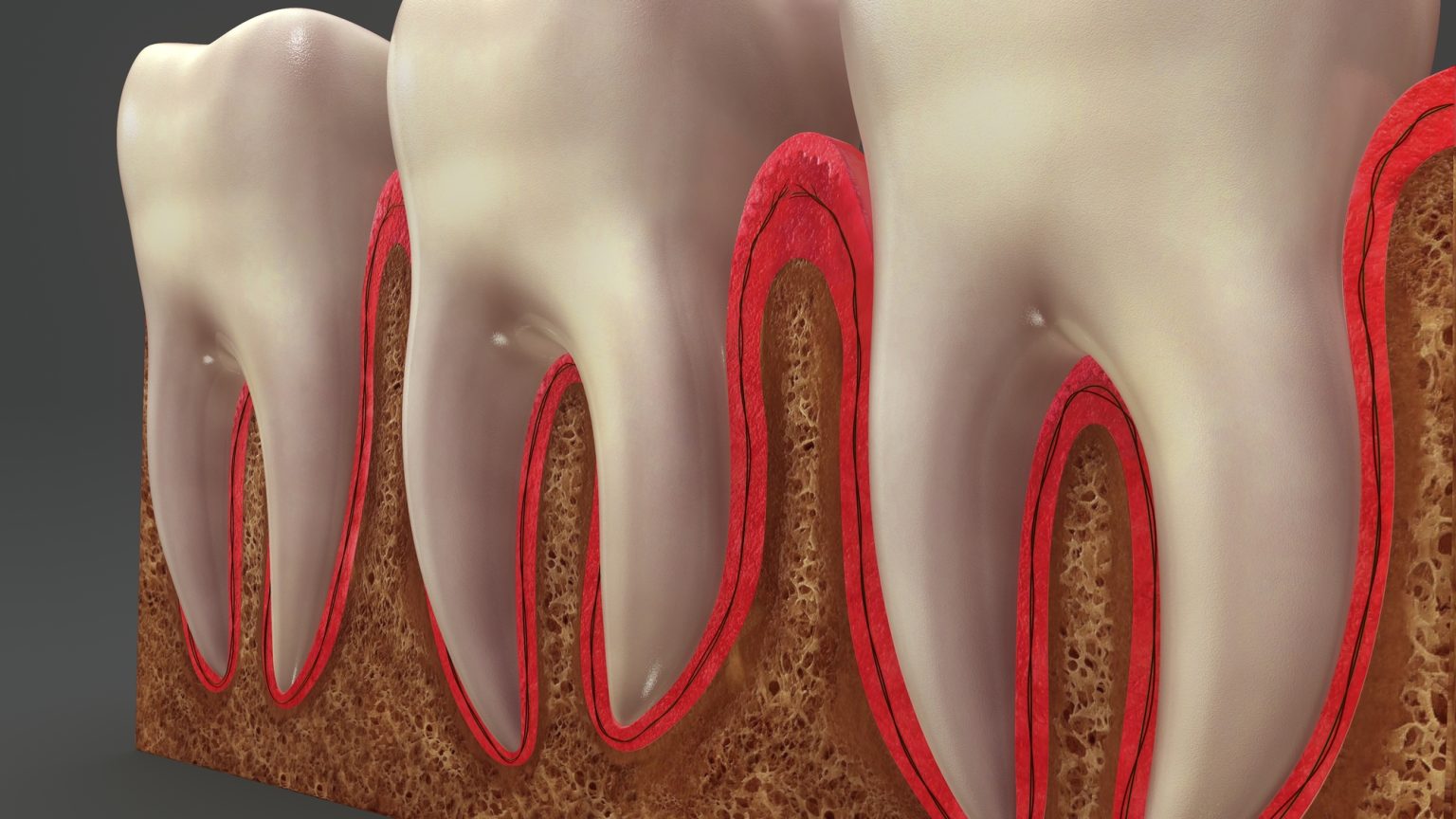
Periodontal disease is a chronic inflammatory disease of the periodontal tissues that affects the supporting structures of the teeth, especially the gums and the periodontal tissues. Its main cause is the accumulation of tartar on and under the gum margin. If not removed regularly, it can eventually cause the gums to recede, which increases the formation of periodontal pockets where harmful bacteria can accumulate and multiply. If left untreated, the condition can lead to inflamed gums, progressive bone loss, and ultimately tooth loss. Most adults are at risk of periodontal disease, but early detection and proper treatment can slow or even stop its progress.
It is an insidious disease that develops gradually, with barely noticeable symptoms and almost no pain in the oral cavity. For this reason, many people do not take it seriously enough until it is too late. Periodontitis develops most often after the age of 40 and is a danger for almost everyone.
Periodontitis, periodontal disease or parodontosis?
The most accurate terms for this disease are periodontal disease or periodontitis. In everyday language the condition is often called parodontosis, and the terms are sometimes mistakenly used interchangeably.
Whatever you call it, it is important to understand that periodontitis is a serious and common disease of the periodontal tissues that requires timely treatment to prevent permanent damage.
How does periodontitis occur?
Periodontal disease is caused by an inflammatory process that starts with the build-up of bacterial plaque on the surface of the teeth. When these plaque deposits are not removed, they mineralise and form tartar, which can spread below the gum line. In this environment, the bacteria release toxins that irritate and damage the gums, causing inflammation of the surrounding tissues and the gradual destruction of the tooth’s supporting structures, such as the gums, periodontal ligament, and alveolar bone. If left untreated, periodontal disease can progress, gums recede and teeth can fall out.
The role of bacteria and plaque
The onset of periodontal disease is closely linked to inadequate oral hygiene and bacteria that naturally occur in the oral cavity. When these bacteria mix with food and saliva, plaque starts to form on the teeth. If these plaque deposits are not removed regularly by brushing and flossing, they harden, causing the inflammation and redness known as gingivitis. If left untreated, gingivitis can progress to periodontitis.
How widespread is periodontal disease?
Periodontal disease is a surprisingly widespread condition affecting the oral cavity. Research shows that inflammation of the oral tissues is present in most adults in various forms, and the incidence increases with age. In Slovenia, many adults over 40 years of age are known to suffer from periodontal problems. Although many people do not notice it or do not take it seriously, its impact on oral health and overall quality of life is significant. It is often referred to as a ‘silent epidemic’ because it develops gradually and can take years before more serious symptoms or complications appear. Globally, the World Health Organization lists severe periodontal disease among the most common of all human diseases.
Main risk factors for periodontal disease
Periodontal disease can affect anyone, but certain risk factors increase the chance of developing it. Understanding these factors is crucial, as it allows problems to be identified early and preventive action to be taken.
Main factor: inadequate cleaning
Inadequate or poor tooth cleaning is the biggest risk factor for periodontal disease. Plaque that is not removed damages the surrounding tissues and over time turns into tartar, an ideal breeding ground for bacteria. These bacteria inflame the gums and gradually destroy the supporting structures of the tooth. Regular, thorough brushing and flossing is the key to preventing the onset and progression of this disease.
Individual factors and genetics
Genetic factors can also play an important role. Some people are more prone to periodontal disease because of their genetic predisposition. In addition, certain systemic diseases, such as diabetes, can increase the risk of developing periodontal disease. Hormonal changes, such as those during pregnancy, menopause, or puberty, can also affect gum health.
Other key risk factors
Beyond the factors mentioned above, others can contribute to the development of periodontal disease. Smoking is one of the main risk factors, as tobacco smoke inhibits the body’s ability to fight inflammation. An unbalanced diet, especially a lack of vitamin C, can also weaken the gums. Frequent use of certain medications that reduce saliva flow or affect oral health also increases the risk. Stress plays a part too, as it can weaken the immune system and, in turn, raise the risk of periodontal disease.

The importance of recognising periodontal disease
Identifying periodontal disease early is crucial for maintaining oral health and preventing possible complications. Because it often develops gradually and with mild symptoms, many people do not notice problems until the disease progresses to more severe stages.
Early warning signs of periodontal disease
The early stages of periodontal disease often start with mild symptoms that are easy to overlook, but it is crucial to recognise them. The first warning signs include:
- Red and swollen gums.
- Bleeding gums during brushing or flossing.
- Bad breath or a taste in the mouth that does not go away.
- Gums that are sensitive to the touch.
- Slight receding of the gums, making the teeth look longer.
Signs of advanced periodontal disease
As the disease progresses, symptoms become more acute and can cause permanent damage to the oral cavity. Signs of advanced periodontal disease include:
- Deeper pockets around the teeth.
- Painful gums and significant recession, exposing the roots of the teeth.
- Decaying teeth and bleeding.
- Swollen gums.
- Discharge of pus between the teeth and gums.
- Pain when chewing or touching the gums.
- Loosening teeth as the supporting structures weaken.
If you experience any of these symptoms, it is advisable to see a dentist or periodontist for a proper diagnosis and treatment.
What are the consequences of chronic gingivitis?
Chronic gingivitis is not just a local problem of the oral cavity; it has wider implications for a person’s overall health. Bacteria from inflamed gums can enter the bloodstream, where they may contribute to the development of cardiovascular disease, diabetes, and other systemic conditions. Untreated gingivitis can therefore pose a risk of many health complications. This link between gum disease and wider health conditions is also recognised by the NHS.
Periodontal disease as the main cause of tooth loss
Periodontal disease is one of the main causes of tooth loss in adults when it is not treated in time. While caries causes direct damage to the tooth enamel, periodontal disease attacks the supporting structures of the tooth. Identifying and treating it is therefore crucial to preserving natural teeth and the integrity of the oral cavity. If you have lost one or more teeth, a removable denture is a good solution.
Myths about tooth replacement
Although we seem to live in an age of advanced dental technology, where tooth replacement can feel like a routine procedure, we should not rely on it as a simple solution to periodontal disease. Replacing teeth is not only expensive but also carries many risks. The process is time-consuming, requires several visits to the dentist, and demands constant maintenance. In short, preventing periodontal disease and preserving natural teeth is always a better and cheaper option than facing the consequences of advanced disease.

Prevention of periodontal disease is very important
Prevention is key to maintaining oral health and avoiding the complications of periodontal disease. Daily tooth brushing, flossing, and mouthwash are essential to remove bacterial plaque, the main culprit in the development of periodontal disease. In addition, regular visits to the dentist allow early detection of potential problems, which increases the chances of successful treatment.
The importance of early intervention
Early intervention is the best strategy for managing and treating periodontal disease. When the disease is detected and treated at an early stage, the chances of preserving the teeth are much higher. If it is ignored or neglected, it can progress rapidly and lead to more serious complications.
Treatment of periodontal disease
There are several ways to treat periodontal disease. You can find a detailed overview of treatment costs in our article on the price of periodontal disease treatment.
| Treatment package | Price |
|---|---|
| Gingivitis package | €400 |
| Package for early periodontal disease | €900 |
| Package for moderate periodontal disease | €1,000 |
| Package for advanced periodontal disease | €1,200 |
Non-surgical treatment of periodontal disease
When periodontal disease is detected early, at the first stage or gingivitis stage, treatment is mostly non-surgical. It focuses on removing the tartar that is the main cause of the inflammation. Emphasis is also placed on cleaning the periodontal tissues, particularly around the dental pockets. This reduces the chance of tartar and plaque re-forming, which could otherwise lead to caries or tooth decay. Managing this is key to preventing a recurrence of periodontal disease.
Surgical treatment of periodontal disease
In cases of severe periodontal disease and extensive gingivitis, surgical treatment is usually recommended. Surgical interventions aim to regenerate the tissue while promoting bone and gum growth. This helps to rebuild the structures that support the tooth and prevent tooth loss.
Cleaning the dental pockets
Cleaning the dental pockets is a key procedure in the treatment of periodontal disease. When pockets develop between the tooth and the gum, they can accumulate bacterial plaque and tartar, causing inflammation and further aggravating the disease. During the procedure, the dentist removes this plaque. It is essential to prevent the pockets deepening further and to limit bone loss around the teeth.
Get periodontal disease under control in time
Periodontal disease reminds us how important it is to pay attention to the health of our mouth. Its consequences often show up when it is already too late, so it is essential to understand its impact. Regular dental check-ups, consistent oral hygiene, and awareness of the disease are key elements in the fight against periodontal disease.
The importance of regular check-ups
Regular dental check-ups matter not only for dental health but also for the early detection of disease. Every visit to the dentist is an opportunity to assess the condition of the gums, identify potential problems, and take timely action.
The need for good oral hygiene
Proper, regular oral hygiene is the best way to help keep periodontal disease away. Thorough daily brushing, flossing, and mouthwash not only keep your teeth and gums in good condition but also prevent the build-up of bacterial plaque that can trigger inflammatory processes.
The importance of knowing about periodontal disease
A lack of awareness about periodontal disease is one of the main reasons many people overlook its early symptoms. Being well-informed about the disease, its symptoms, and its consequences can encourage people to act more responsibly.
Do you want to replace a missing tooth with a dental implant? Read more here.
Frequently asked questions
Is periodontitis the same as gingivitis?
No. Gingivitis is early, reversible inflammation of the gums. If it is not treated, it can progress to periodontitis, which also damages the deeper tissues and bone that support the teeth.
Does periodontitis hurt?
Usually not in the early stages. It tends to develop slowly and with little or no pain, which is why many people do not notice it until the disease is advanced.
What are the first signs of periodontitis?
The earliest signs include red, swollen or bleeding gums, persistent bad breath, and gums that start to recede so the teeth look longer.
Can periodontitis be cured?
Bone that has already been lost cannot regrow on its own, but the disease can be halted and controlled. Early cases are usually managed with non-surgical cleaning, while advanced cases may need surgical treatment.
Is periodontitis linked to other health problems?
Yes. Bacteria from inflamed gums can enter the bloodstream and have been linked to conditions such as cardiovascular disease and diabetes, so treating gum disease supports your overall health.
Worried about your gums?
Bleeding or receding gums are easy to ignore, but early treatment protects your teeth. Book a first examination at OrthoDental in Ljubljana and let us check the health of your gums.
Article author

Gordana Čižmek

Denture price | How much does a removable denture cost?
How do you choose the right denture? Price is often part of the decision, so we have prepared a detailed cost breakdown of dentures at OrthoDental.

Disadvantages of Invisalign: an honest guide before you decide
An honest, clinically reviewed guide to Invisalign disadvantages: daily wear, discomfort, attachments, lost aligners, refinements, hygiene, speech and price.

Oral cancer: why early detection matters
Learn which mouth changes need prompt assessment, the main oral cancer risk factors and what happens during a routine soft-tissue examination.
