


Medically reviewed by Pia Slana, dentist · Last updated: July 2026
- Gum recession is when the gum margin pulls back and exposes the tooth root — it affects all ages, not just older people.
- Common causes: aggressive brushing, periodontal disease, smoking, bruxism (grinding) and genetics.
- Exposed roots are sensitive and more prone to decay; untreated recession can lead to tooth loss.
- Gentle brushing with a soft brush, daily flossing and regular check-ups are the best prevention; advanced cases can be treated with gum grafts.
In today’s world, where a healthy smile is a symbol of health and confidence, gum problems are becoming an increasingly pressing topic. Gum recession, also known as receding gums, is a condition that not only affects the aesthetics of your smile but can also have serious consequences for your oral health. At the OrthoDental dental clinic, we understand the importance of a comprehensive approach to preventing and treating gum recession. With modern techniques and an individual approach, we can offer you effective help in dealing with receding gums.
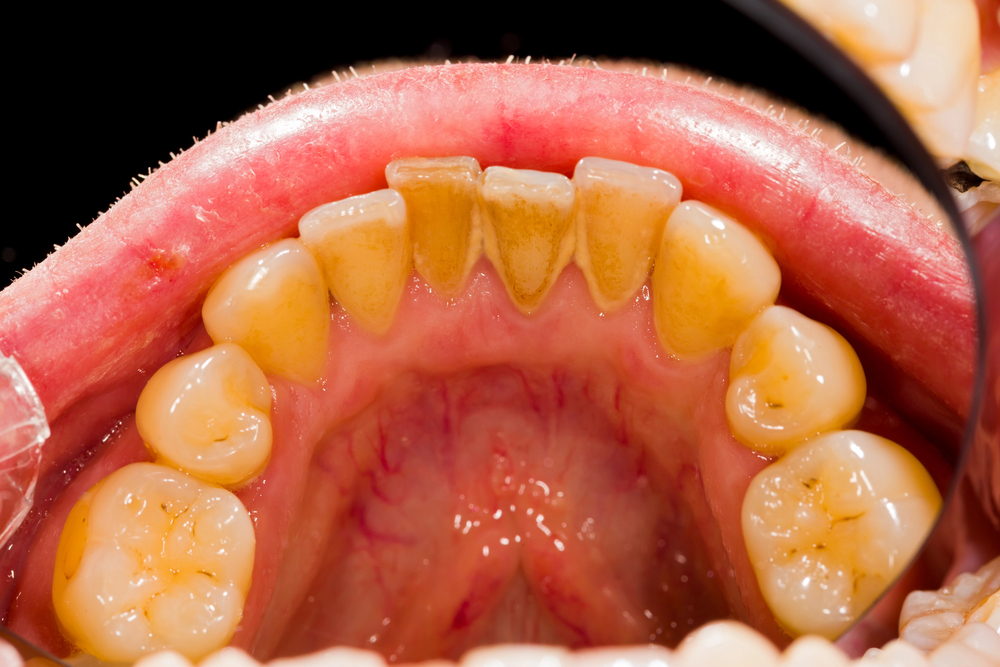
Gum recession: a common myth about ageing
Many people believe that gum recession is simply a consequence of ageing, but the truth is more complex. This phenomenon can affect people of all ages and is often the result of inadequate oral hygiene, genetic predisposition or hard brushing. Although ageing can contribute to its occurrence, it is crucial to understand that preventive measures and regular dental check-ups can significantly reduce the risk of it developing. Awareness of the actual causes and early action are key to keeping your gums healthy.
| Stage | Signs | Action |
|---|---|---|
| Gingivitis | Red, bleeding gums | Better hygiene & cleaning |
| Early periodontitis | Gum pockets form | Professional treatment |
| Advanced | Bone loss | Specialist care |
Gum recession: what is it?
Gum recession is a condition in which the gum margin pulls back from the tooth and exposes its root. In addition to affecting the aesthetics of your smile, it can also lead to serious dental problems such as sensitivity, decay on the tooth root and even tooth loss. The main causes of recession include aggressive brushing, periodontal disease, improperly fitted dental appliances and smoking. The NHS guidance on gum disease describes receding gums as one of its typical signs.
Symptoms: inflammation, redness, sensitivity
The symptoms of gum recession are often subtle and can develop gradually. Key signs to watch for include gum inflammation, redness, a feeling of sensitivity to cold or hot food and drink and visibly exposed tooth roots. These symptoms can indicate the early stages of gum recession or other dental problems. Early detection and treatment can prevent further complications, so a visit to the dentist is advisable when these symptoms appear.
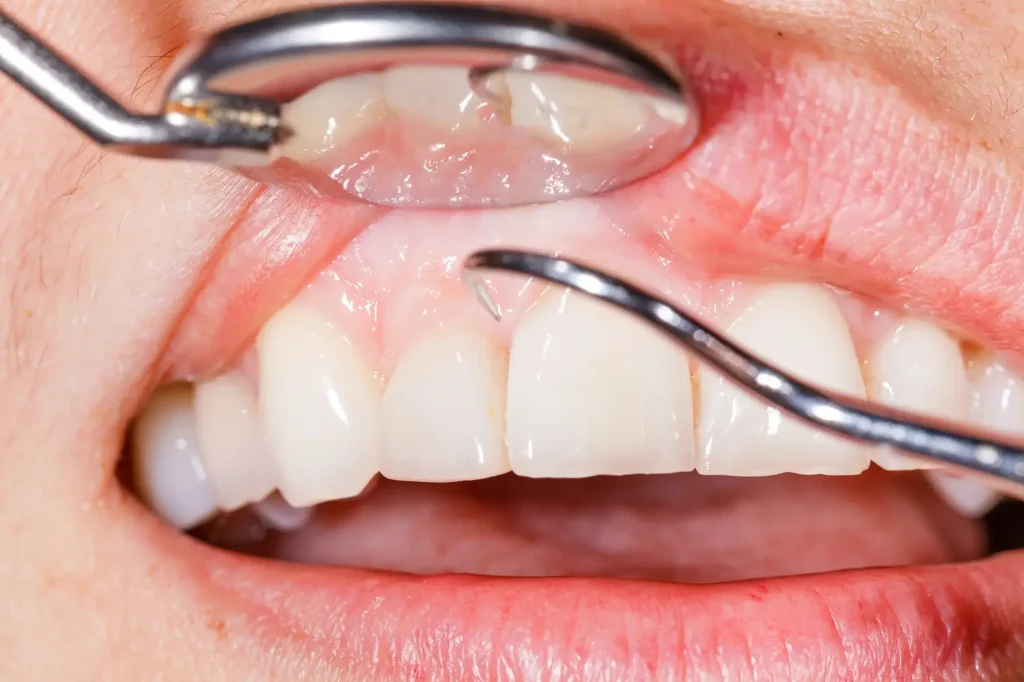
Causes of gum recession
Gum recession can affect many people and has various causes. These are the main factors that contribute to this problem:
- Aggressive brushing: using too hard a toothbrush or brushing too vigorously can damage the soft gum tissue and cause it to recede. Use a soft toothbrush and gentle, circular movements.
- Smoking and tobacco use: tobacco negatively affects the entire oral cavity, including the gums. Smoking and chewing tobacco reduce blood flow and the body’s ability to fight infections in the mouth.
- Poor oral health: insufficient oral hygiene can lead to the build-up of plaque and the formation of tartar, which over time can cause inflammation and gum recession.
- Bruxism: clenching or grinding your teeth, especially at night, can put extra pressure on the gums. Wearing a protective night guard during sleep can help reduce the damage.
- Genetic predisposition: if your close relatives have had gum problems, you may also be more prone to this condition.
- Chronic diseases (diabetes, HIV/AIDS): some chronic diseases can weaken the immune system and affect the body’s ability to fight infections, increasing the risk of periodontal disease and, consequently, gum recession.
Consequences of gum recession
Gum recession is not just an aesthetic problem – it can have serious consequences for your oral health. When the gums recede and expose the roots of the teeth, this can cause increased sensitivity to cold, hot, sweet or acidic food and drink.
Exposed roots are also more prone to decay, as the enamel on the roots is thinner than on the rest of the tooth. In addition, gum recession can lead to a loss of support for the teeth, which increases the risk of them falling out.
Prevention and treatment
Prevention and early treatment are key to managing gum recession and preventing its consequences. The basic steps are as follows:
- Correct brushing and oral hygiene: a soft toothbrush and gentle brushing techniques, together with regular flossing, help prevent gum damage.
- Regular dental check-ups: visiting the dentist at least twice a year for professional cleaning and an oral health check helps detect and address gum problems early.
- Treating periodontal disease: if recession is the result of periodontal disease, treating this underlying condition is crucial. This may include deep cleaning, medication or other therapies; see our periodontal treatment price page for details.
- Surgical procedures in advanced cases: where recession has progressed considerably, procedures such as gum grafts can help restore lost tissue and improve the function and aesthetics of the gums.
- Night guards for bruxism: if bruxism is the cause, night guards protect the teeth and gums from further damage caused by clenching or grinding.
Early action and preventive steps can significantly reduce the risk of serious consequences from gum recession and ensure the long-term health of your teeth and gums. At OrthoDental, with regular check-ups, correct oral hygiene and individually tailored treatments, together we can prevent and manage gum recession.
Frequently asked questions
Can receding gums grow back?
Gum tissue that has receded does not grow back on its own. Treatment focuses on stopping further recession; in advanced cases a gum graft can restore lost tissue.
Is gum recession only caused by ageing?
No. It affects all ages and is usually caused by aggressive brushing, gum disease, smoking, grinding or genetics — ageing is only one contributing factor.
Why are my teeth suddenly sensitive at the gumline?
Sensitivity to cold, heat or sweet food at the gumline is a typical sign of an exposed root due to recession. Have it checked — exposed roots are also more prone to decay.
How is gum recession treated?
Mild cases are managed with gentler brushing, professional cleaning and treating any gum disease. Advanced cases may need surgical treatment such as a gum graft. Your dentist will advise after an examination.
Related reading
Worried about receding gums?
Book a dental examination in Ljubljana or Kozina.

Snoring | Causes, symptoms and solutions
Snoring can be more than a night-time nuisance, it may point to more serious conditions such as sleep apnea. Learn the causes, risks and solutions.

Sensitive teeth | Understanding tooth sensitivity and its causes
Tooth sensitivity can appear when eating hot or cold food. Learn the causes – from enamel erosion to receding gums – and how to relieve it.

Ceramic implants
Thinking about replacing a missing tooth? Discover the pros and cons of dental bridges and implants in our blog. Our guide will help you make an informed decision for optimal oral health.
