


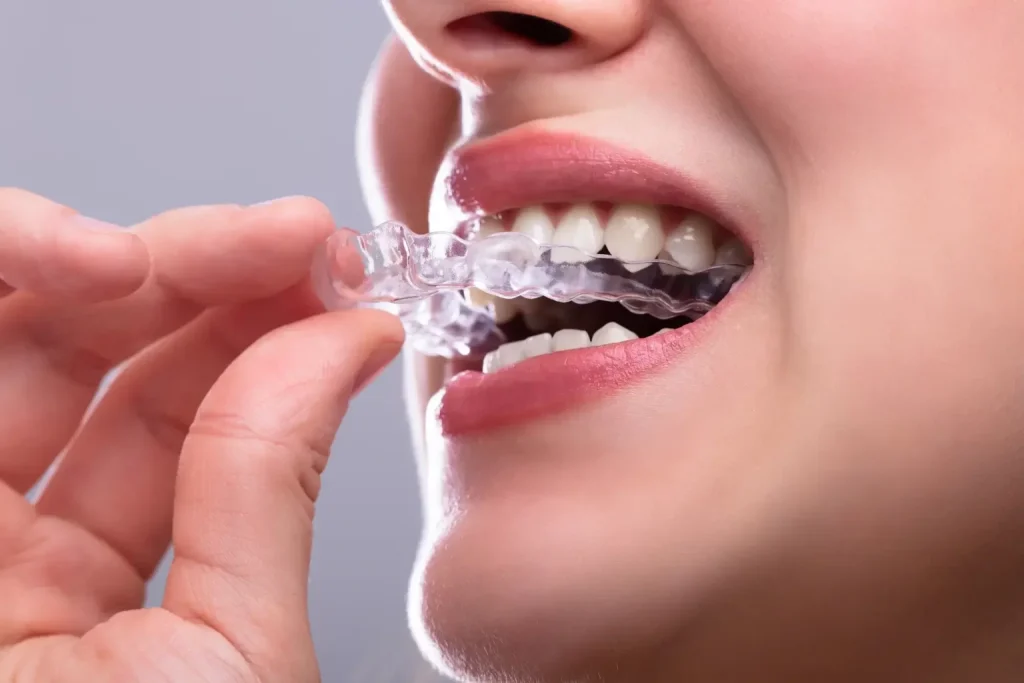
Teeth grinding, medically known as bruxism, is a common problem affecting people of all ages. As dentists, we often see the consequences that grinding leaves on the teeth – from worn enamel to fractures and tooth loss. In the following sections we look at the problem of teeth grinding, lay the groundwork for understanding this complex condition and describe the options for treating it. For an overview of the condition, its symptoms and treatments, see the NHS guide to teeth grinding (bruxism).
- Bruxism is chronic, often unconscious clenching or grinding of the teeth that can happen while awake or during sleep.
- Stress is one of the most common triggers, and night-time grinding often goes unnoticed until a dentist spots the signs.
- Left untreated it can wear the enamel and cause cracks, tooth sensitivity, jaw-joint pain and headaches.
- A custom night splint protects the teeth, and worn teeth can be restored with fillings, build-ups or crowns.
How do we tell bruxism apart from ordinary grinding?
Teeth grinding, or bruxism, can be an occasional occurrence that does not require medical intervention. The key is to recognise when occasional grinding turns into the condition we call bruxism. Bruxism is a chronic, often unconscious habit of clenching or grinding the teeth, which can happen both while awake and during sleep. Health professionals define it based on frequency, intensity and consequences for oral health. Recognising bruxism is crucial, as long-term grinding can lead to serious dental damage, jaw joint problems and other health complications.
Night-time grinding is a common problem
While daytime grinding is often noticeable to the patient or those around them, night-time teeth grinding usually goes unnoticed until it causes more serious problems. Night-time bruxism happens during sleep and is often only revealed by a partner sleeping nearby, or by the consequences a dentist notices. These include worn enamel, tooth damage or jaw pain. It is important that patients affected by night-time grinding get appropriate help, as it can otherwise lead to chronic problems.
| Habit | How often | Benefit |
|---|---|---|
| Brushing | Twice a day | Prevents decay |
| Flossing | Daily | Healthy gums |
| Dental check-up | Every 6 months | Early detection |
Causes of teeth grinding
Stress is one of the most common triggers of bruxism. In the fast pace of modern life, psychological pressures are often unavoidable and can manifest as physical reactions, including teeth grinding. Anxiety, tension and frustration are emotional states that can increase the likelihood of bruxism, so it is important that people learn effective techniques for managing stress in order to reduce its frequency and intensity.
The effects of grinding on dental health
Frequent, intense clenching can lead to excessive wear of the tooth surfaces. This is not only an aesthetic problem but can, over time, lead to a reduced bite height and weakening of the tooth structure. Worn teeth can become more sensitive, cracks and fractures can appear, and there is a greater need for more extensive dental work, such as crowns or even implants. In addition, the visual changes caused by wear can affect a person’s confidence and social interaction.
Headaches and jaw joint pain
Bruxism affects not only the teeth but can also cause secondary problems such as chronic headaches and pain in the jaw joint. Long-term grinding and clenching can damage the chewing muscles of the face and jaw, and can even change the way the teeth meet. This pain can affect everyday activities such as chewing, speaking and even facial expression.
Professional recommendations for treating bruxism
One of the first steps in treating bruxism is protecting the teeth and mouth. Dentists often recommend using soft mouth guards or stabilisation splints, worn at night, to reduce direct contact between the tooth surfaces. In addition, changes in lifestyle habits can help, such as avoiding hard foods, staying properly hydrated and learning relaxation techniques that can reduce muscle tension in the jaw.
How does a bruxism splint work?
Splints used to treat bruxism are designed to physically separate the dental arches and thus prevent the damage that grinding would otherwise cause. These splints can be custom-made to fit the anatomy of the patient’s bite perfectly, ensuring comfort and maximum effectiveness. The splint works in two ways: as well as protecting the teeth from wear, it helps distribute pressure across the jaw more evenly, which also reduces tension in the muscles and joints. With correct use and regular monitoring, a splint can significantly improve the symptoms of bruxism and prevent further damage. A bruxism splint is thicker than a thin retainer worn after orthodontic treatment, so that it can better withstand the strong forces generated by grinding.
Strategies for restoring worn teeth
Restoring worn teeth is often a complex process that requires an individual approach. At OrthoDental we can offer various effective methods, such as composite fillings, tooth build-ups or even crowns, which help restore the function and aesthetics of the teeth.
Overcoming tooth sensitivity
Sensitivity is common in people with teeth worn by bruxism. To reduce sensitivity we recommend using toothpastes that reduce sensitivity and fluoride treatments that strengthen the enamel. Regular monitoring and adjustment of oral hygiene are also important to prevent further damage.
What are prevention and self-help for bruxism?
Stress is one of the main triggers of bruxism, so managing stress is key to prevention and self-help. Some effective approaches include relaxation techniques, regular physical exercise, creating a bedtime routine and limiting caffeine and alcohol. Regular dental check-ups are essential for early detection and treatment of bruxism.
How do we help you at OrthoDental?
Bruxism or teeth grinding is a multi-layered problem that requires a holistic approach. Through responsible monitoring, tailored preventive measures and modern treatments, we aim to reduce the impact of this common problem on our patients’ lives.
- We assess the degree of tooth wear: regular monitoring can prevent more serious damage.
- We provide professional cleaning: removing plaque and tartar reduces the chance of inflammation and disease that could worsen bruxism.
- We recommend appropriate dental care: based on your specific situation, we suggest the optimal dental solutions.
We believe that successful bruxism treatment is only possible through close cooperation between dentist and patient. At OrthoDental we support you at every step on the way to better oral health.
Frequently asked questions about bruxism
What is bruxism?
Bruxism is the chronic, often unconscious clenching or grinding of the teeth. It can happen while you are awake or during sleep, and dentists assess it by its frequency, intensity and the effects it has on the teeth and jaw.
What causes teeth grinding?
Stress is one of the most common triggers, along with anxiety and tension. Because night-time grinding happens during sleep, it often goes unnoticed until a dentist sees signs such as worn enamel or jaw pain.
How is bruxism treated?
A key first step is protecting the teeth, usually with a custom night splint or stabilisation splint. Lifestyle changes and relaxation techniques can reduce jaw-muscle tension, and worn teeth can be restored with composite fillings, build-ups or crowns.
Can night-time grinding be treated even if I do not notice it?
Yes. Your dentist can recognise the signs during an examination and make a custom splint that protects the teeth from further wear while you sleep. Regular check-ups help monitor the condition over time.
Ready for a healthy, confident smile?
Book a dental examination in Ljubljana or Kozina.

Apicoectomy: root-end surgery to help save a tooth
Understand when an apicoectomy may help save a root-treated tooth, how the procedure works, recovery, alternatives and when to seek advice.
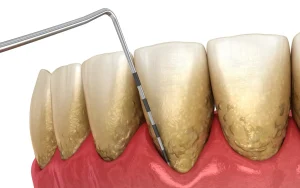
How to prevent gum recession? Causes, symptoms and treatment
Gum recession can lead to serious dental problems, but with early action and consistent prevention you can keep your gums healthy.

Tooth bonding price | How much does tooth bonding cost?
Curious about tooth bonding prices at OrthoDental? See our transparent price list for cement and composite bonding, plus installment payment options.
