


Gingivitis, or gum inflammation, is the early form of gum disease, in which the gums are red, swollen, tender or bleed when brushing. The most common cause is soft plaque at the gum line. If it is not removed well enough, it can mineralise into tartar, which cannot be removed at home with an ordinary toothbrush.
If the inflammation is caught early enough, it can often be stopped with better oral hygiene and professional tartar removal. Left untreated, it can progress to periodontal disease, in which the deeper tissues and the bone around the teeth are affected.
Book an examination if your gums bleed for several days in a row, are swollen, painful or receding, or you have bad breath that won’t go away.
- Gingivitis is the reversible, early stage of gum disease, caused mainly by plaque at the gum line.
- Warning signs are red, swollen gums that bleed when brushing, plus bad breath and, later, receding gums.
- Better daily hygiene plus professional tartar removal usually settles it; untreated, it can progress to periodontitis and tooth loss.

How serious a problem is gum inflammation?
Gum inflammation, known medically as gingivitis, is the early stage of periodontal disease. It develops from the build-up of bacteria-filled plaque at the gum line. If untreated, gingivitis can progress to periodontitis, a more serious form of gum disease that can break down the jawbone and lead to tooth loss. Recognising the signs early and addressing them is essential to prevent this progression.
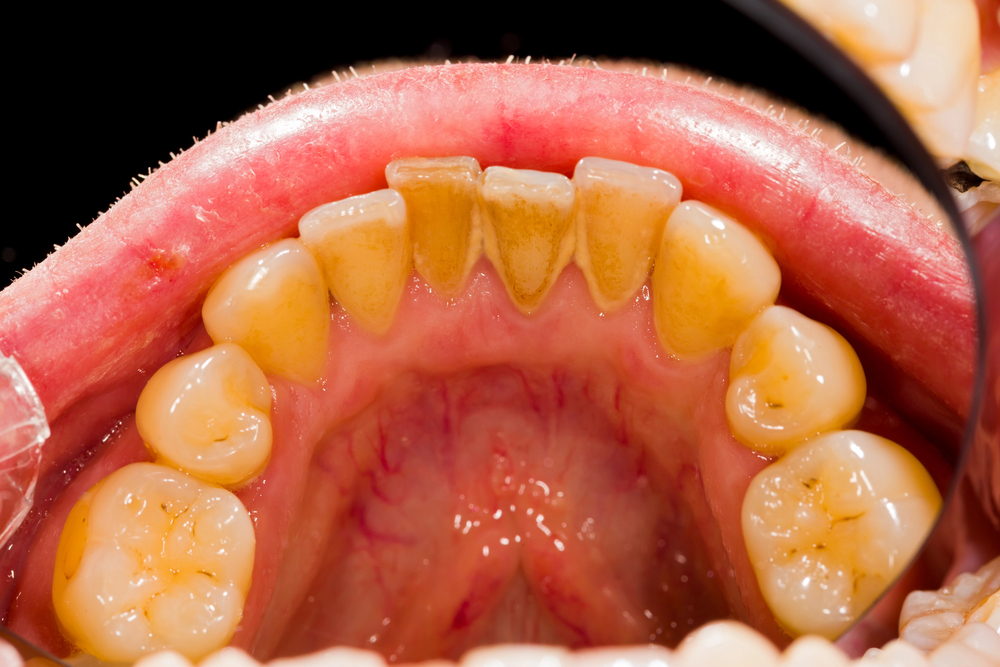
How do we recognise and treat inflamed gums?
Common symptoms include red, swollen and bleeding gums, sore gums, sensitive teeth and bad breath. At OrthoDental we carry out a thorough examination that helps determine the degree of inflammation, so we can recommend the best treatment. For milder cases, treatment usually involves more frequent professional plaque removal and guidance on correct oral hygiene.
Why does gum inflammation develop?
The main reason for inflamed gums is poor oral hygiene, which lets bacterial plaque accumulate along the gums. Other contributing factors include smoking, diabetes, certain medications, hormonal changes and genetic predisposition.
Poor oral hygiene as the main cause
The most fundamental measure for healthy gums is regular, effective oral hygiene. This means daily brushing, cleaning with an interdental brush and flossing, using mouthwash, and regular dental visits for professional cleaning.
How other factors affect gum health
Beyond hygiene, other factors affect the gums, such as a diet rich in sugar and acids, which can increase plaque build-up, and smoking, which reduces blood flow to the gums and can speed up the progression of periodontal disease.
Book an examination at OrthoDental

| Stage | Signs | Action |
|---|---|---|
| Gingivitis | Red, bleeding gums | Better hygiene & cleaning |
| Early periodontitis | Gum pockets form | Professional treatment |
| Advanced | Bone loss | Specialist care |
How to recognise inflamed gums
Gum inflammation can go undetected for a long time. The signs can be subtle, but it is important not to overlook them. Typical symptoms include swelling, redness and tenderness of the gums, bleeding when brushing or flossing, bad breath and, in some cases, receding gums. Do not delay a dental visit when these symptoms appear, as early treatment can prevent more serious complications and restore healthy gums.
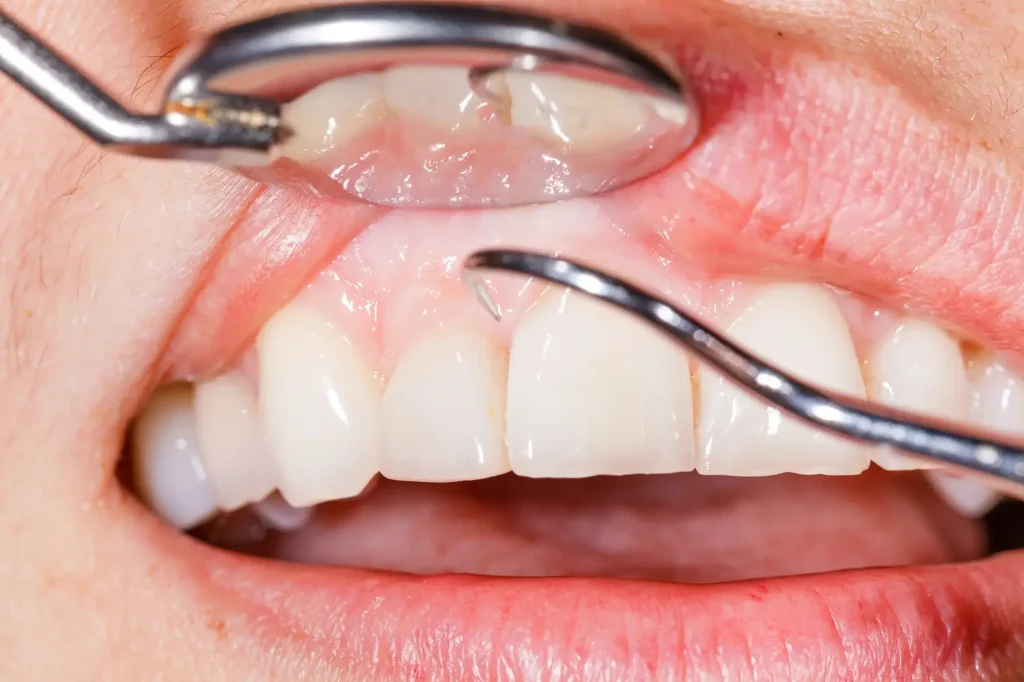
Signs and symptoms of gum inflammation
Recognising the early signs of gingivitis is key to timely, effective treatment. The most common symptoms include:
- Redness and swelling: red gums that are swollen and soft to the touch, often one of the first signs.
- Bleeding when brushing, using an interdental brush or flossing: a common sign of inflammation and gum sensitivity.
- Sensitivity: an inflamed gum is tender, and you may feel pain or discomfort in the mouth.
- Bad breath: a build-up of bacteria and pus can cause persistent bad breath.
- Receding gums: long-lasting inflammation can cause the gums to recede from the teeth.
- Changes in bite: inflammation can affect how the teeth meet.
- Pus around the teeth: in severe cases, pus can appear between the tooth and the gum.
Good oral hygiene at home
While professional treatment is central to managing gum inflammation, daily home care matters just as much. At OrthoDental we advise a soft toothbrush that keeps gums healthy without damage. Floss and use an interdental brush regularly to remove plaque, and consider rinsing with mouthwash, which can help reduce bacteria, plaque and inflammation.

When should you visit the dentist?
A dental visit is essential whenever bleeding gums appear or the symptoms of gum disease become more pronounced. The dentist can carry out a more thorough examination, remove plaque and decide whether additional procedures are needed, such as medication or, in some cases, surgery. Early detection and treatment can prevent complications and help maintain oral health.
Key tips to prevent gingivitis
Preventing gum inflammation starts with regular, correct oral hygiene and a healthy lifestyle.
- Regular brushing and flossing: brush with a soft toothbrush at least twice a day and floss once a day to remove plaque, the main cause of gum inflammation.
- Using mouthwash: mouthwash can help reduce bacteria and keep gums healthy.
- A balanced diet: cut back on sugars and acids that feed plaque, and include more fresh fruit and vegetables.
- Avoiding tobacco: smoking and tobacco use are strongly linked to an increased risk of gum inflammation.
Regular dental check-ups and tartar removal
Regular check-ups are key to detecting and preventing gum inflammation early. The dentist can carry out professional cleaning that removes tartar built up below the gum line – something home brushing cannot achieve.
A holistic approach to treatment and prevention
A holistic approach combines regular oral hygiene, a healthy lifestyle and professional dental care for the best long-term results for your gums and teeth. For an independent overview, see the NHS guide to gum disease.
Frequently asked questions about gum inflammation
What is gum inflammation?
Gum inflammation is a condition in which the gums are irritated, red, swollen, tender or bleeding. It most often develops from plaque and tartar at the gum line.
Is gum inflammation dangerous?
In its early stage, gum inflammation can often be stopped if you act in time. Untreated, it can progress to periodontal disease, which affects the deeper tissues and can lead to loose teeth or tooth loss.
Why do my gums bleed when brushing?
Bleeding gums are often a sign of inflammation from plaque or tartar. This does not mean you should stop brushing – clean the teeth and gum line gently but thoroughly, and book an examination if the bleeding recurs.
What helps with gum inflammation?
Careful oral hygiene, daily interdental cleaning, a soft toothbrush and professional tartar removal all help. If the inflammation is more severe or recurring, an examination by a dentist or oral hygienist is needed.
Can I cure gum inflammation at home?
For milder inflammation, correct home hygiene can help a great deal. However, if tartar is present you cannot remove it yourself – professional cleaning is then required.
How long does it take for gum inflammation to settle?
This depends on the cause and degree of inflammation. For milder inflammation from plaque, once hygiene improves it can begin to settle within a few days to a few weeks. If tartar or advanced gum disease is present, professional treatment is required.
What is the difference between gingivitis and periodontitis?
Gingivitis mainly affects the gums. Periodontal disease affects the deeper tissues and bone that hold the tooth, so periodontitis is more serious and requires more in-depth treatment.
Does mouthwash help with gum inflammation?
Mouthwash can support your hygiene routine, but it does not replace brushing and interdental cleaning. If there is plaque or tartar on the teeth, mouthwash cannot remove it.
Can tartar cause gum inflammation?
Yes. Tartar builds up at the gum line and irritates the tissue. Because you cannot remove it at home with a toothbrush, professional cleaning is required.
Does gum inflammation hurt?
Gum inflammation is not always painful. It often starts with bleeding, redness or swelling without strong pain. If pain, swelling or pus appears, an examination is needed.
Can pregnancy cause gum inflammation?
Hormonal changes in pregnancy can increase gum sensitivity and the chance of bleeding, so careful oral hygiene and regular preventive check-ups are especially important during pregnancy.
How do I prevent gum inflammation?
The easiest way is with regular brushing, daily interdental cleaning, correct use of interdental brushes, regular check-ups and professional tartar removal.
Ready for a healthy, confident smile?
Book a dental examination in Ljubljana or Kozina.


Impacted wisdom teeth | When and why they need to be removed
If you have ever wondered why almost every child visits an orthodontist at least once, or spent sleepless nights while your wisdom teeth were coming through, the explanation is millions of years old.

Denture price | How much does a removable denture cost?
How do you choose the right denture? Price is often part of the decision, so we have prepared a detailed cost breakdown of dentures at OrthoDental.

Tooth bonding – when does dental bonding make sense?
Tooth bonding is a minimally invasive way to repair chipped, cracked or stained teeth. Learn when bonding makes sense, how the procedure works and how it compares to veneers and crowns.
