


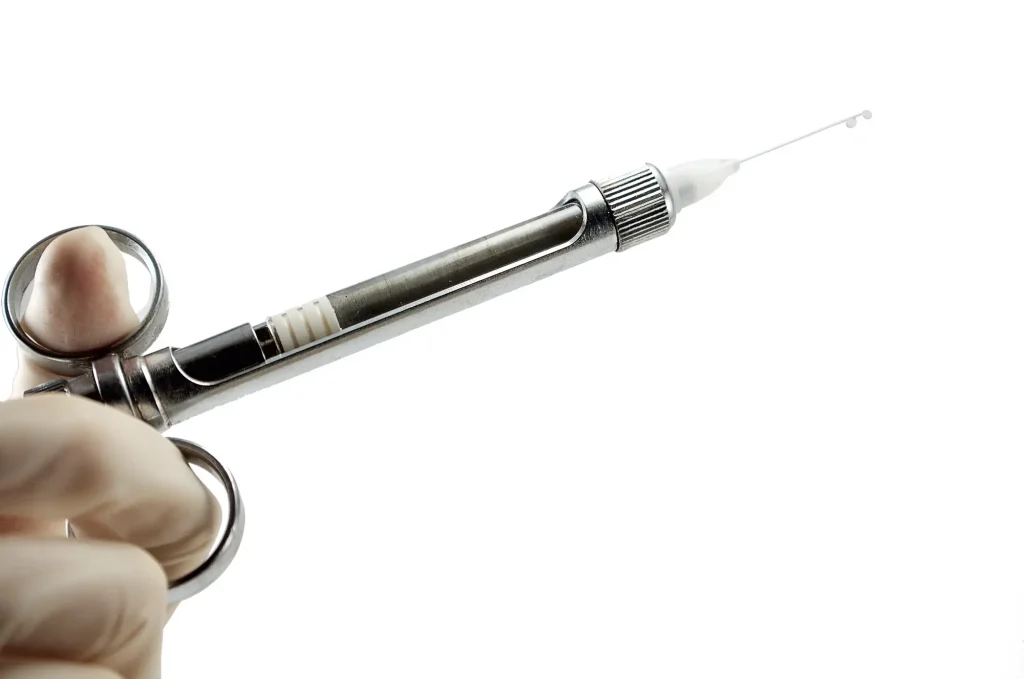
Medically reviewed by Pia Slana, dentist · Last updated: July 2026
- Local anaesthesia numbs a specific area of the mouth so treatment is essentially pain-free, while you stay fully awake.
- It works by temporarily blocking nerve impulses in the treated area.
- Dentists tailor the type (topical, infiltration, nerve block or guided injection) to the procedure.
- It is very safe; minor effects such as bruising can occur, and serious reactions are rare.
At the mention of a visit to the dental surgery, many people feel unease, fear and tension. These emotions are often linked to the expectation of pain or discomfort during the procedure. However, modern dental practice today offers the possibility of almost painless treatment. With the help of local anaesthesia, dentists can relieve pain and discomfort, allowing you to feel more relaxed and free of fear during treatment.
Why is local anaesthesia indispensable in dentistry?
Local anaesthesia has become an indispensable component of dental procedures, as it plays a key role in ensuring comfort and a painless experience for the patient. In the past, before effective anaesthetics were developed, dental procedures were often painful, and the result could be a fear of the procedure itself.
Pain and fear in the dental surgery
Fear of the dentist, also known as dental phobia, is a common occurrence among people of all age groups. This fear is often the result of negative past experiences or a fear of the unknown. Through the effective use of anaesthesia for toothache, dentists can ensure that procedures are as painless and comfortable as possible for you, which helps to change negative perceptions of dental visits. In cases of severe difficulty, medical hypnosis can also help.
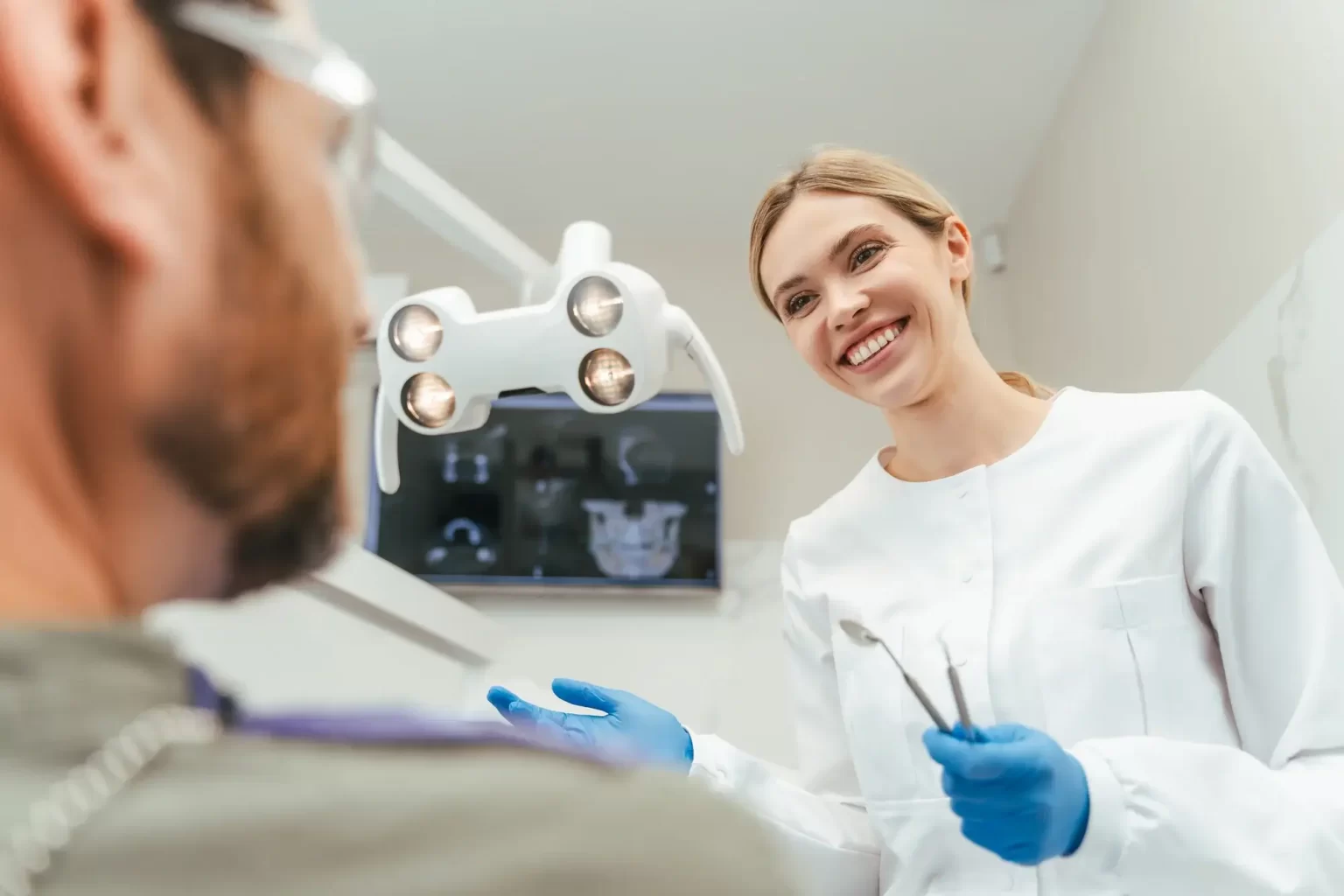
The benefits of local anaesthesia for dentists and patients
Local anaesthesia in dentistry represents a major step forward in caring for patient comfort and well-being.
For patients, the benefits are obvious
No pain: The most important and most obvious benefit is the ability to undergo a dental procedure without pain. This reduces the anxiety and stress often associated with dental procedures and also prevents many complications.
Less fear: Many people put off visiting the dentist because of a fear of pain. With reliable local anaesthesia, this fear is largely removed, allowing the procedure to be carried out smoothly.
A better experience: Less painful procedures create more positive experiences with dentistry, which increases the likelihood that the patient will return regularly for check-ups and treatment.
For dentists, the advantages are just as important
More efficient work: Without pain and patient discomfort, the dentist can carry out the procedure with more focus and precision.
Less stress: The dentist can concentrate on performing the procedure without worrying about the patient’s pain or discomfort.
| Habit | How often | Benefit |
|---|---|---|
| Brushing | Twice a day | Prevents decay |
| Flossing | Daily | Healthy gums |
| Dental check-up | Every 6 months | Early detection |
A basic understanding of anaesthesia
What is sedation or anaesthesia?
Anaesthesia is a medical method used to reduce or eliminate the sensation of pain. This allows doctors, surgeons and other medical professionals to carry out procedures that would otherwise be painful or unpleasant for the patient. The word “anaesthesia” comes from the Greek words “an-”, meaning “without”, and “-aisthesis”, meaning “sensation”. In essence, therefore, anaesthesia makes medical procedures possible without pain or sensation.
The difference between general and local anaesthesia
Depending on the type of anaesthesia, we distinguish two main categories: general and local anaesthesia. Under general anaesthesia, the patient is in a deep sleep and is aware of nothing. General anaesthesia affects the whole body and is usually used for more extensive surgical procedures. While the patient is under general anaesthesia, their breathing and circulation are under the constant supervision of an anaesthetist.
With local anaesthesia, the pain-relieving medication is applied directly to a specific part of the body, blocking the sensation of pain only in that area. The patient remains awake and conscious but feels no pain in the area where the procedure is being carried out. As the NHS explains, a local anaesthetic numbs a specific part of the body and is used when the nerves can be reached easily, such as during dental work.
The role of anaesthesia in the dental surgery
In the dental surgery, anaesthesia is essential for ensuring patient comfort during various procedures. Local anaesthesia is the most frequently used method, as it allows the sensation of pain to be removed in a targeted area of the mouth. Using it, dentists can carry out procedures such as fillings, tooth removal or root canal treatment with medication, without the patient feeling pain. One of the procedures where local anaesthesia is used is tooth extraction.

A historical outline of local anaesthetics
The discovery of cocaine as the first local anaesthetic
Cocaine, obtained from coca leaves, was recognised in the 19th century as the first effective local anaesthetic. Before that, methods of pain relief were limited and often ineffective. In 1884, Karl Koller, an Austrian ophthalmologist, demonstrated the use of cocaine as a local anaesthetic in eye surgery, which was a revolutionary development in medicine. Despite its obvious advantages, cocaine quickly became problematic because of its side effects and potential for abuse.
The development and improvement of local anaesthetics over time
Despite the successes of cocaine, the need for safer and more reliable alternatives for anaesthesia quickly became clear. In the early 20th century, scientists began developing synthetic alternatives. In 1905, the first synthetic local anaesthetic was developed, known as procaine, or better known under the trade name Novocaine. Procaine was less toxic and more predictable than cocaine, which represented a major advance in anaesthesiology. Throughout the 20th century, numerous improved versions of local anaesthetics appeared, each with its own specific properties and advantages.
Modern anaesthetics and their characteristics
Today, the range of local anaesthetics is broad and varied. Modern anaesthetics are designed to be fast-acting, long-lasting and with minimal side effects. New anaesthetics offer longer-lasting anaesthesia with a lower likelihood of side effects. In dentistry, these anaesthetics are key to ensuring painless procedures, while also allowing dentists to adjust the anaesthesia according to the particular procedure or the patient’s needs. With ongoing research and innovation in this field, we can expect even more improvements and progress in the years to come.
How does local anaesthesia block pain?
Local anaesthetics work by temporarily blocking nerve impulses. They achieve this by preventing sodium ions from passing through the cell membranes of nerve cells, which stops the transmission of the electrical signal – the impulse. Without the successful transmission of these impulses, the brain does not receive the pain signal from the affected area.
Types of local anaesthesia and their applications
Anaesthesia can be classified according to its duration of action, strength and form of application.
-
Topical anaesthesia: Used for surface numbness of the skin or mucous membrane. It is often used in the form of gels, creams or sprays before minor procedures or as preparation for inserting a needle.
-
Infiltration anaesthesia: With this method, the anaesthetic is injected directly into the tissue. It is used in minor surgical or dental procedures.
-
Conduction (nerve block) anaesthesia: This method is used to numb a larger part of the body, for example an arm or a leg. The anaesthetic is injected around the main nerve or group of nerves that supply a particular area of the body.
-
Guided injection: Used in dentistry to specifically target particular teeth or areas of the mouth. With this method, the anaesthetic is injected next to the specific nerve that supplies the tooth.
With the various applications and formulations of local anaesthetics, doctors and dentists can adapt their approach for optimal care and patient comfort.
If you have a larger procedure ahead, it is good to have someone with you
If you have a larger procedure and anaesthesia ahead, it is advisable to have someone to accompany you home after the procedure. If you are worried about possible pain once the anaesthesia wears off, you can take a painkiller on your dentist’s recommendation. At the patient’s request, we can also use local anaesthesia during the placement of a filling.
Complications associated with local anaesthesia
Local anaesthesia is in most cases safe and effective, but certain complications can occur. Local complications include:
-
Haematomas: These are bleeds or bruises at the injection site. They can occur if the needle pierces a blood vessel.
-
Swelling or inflammation: Swelling or redness may appear at the injection site.
-
Nerve damage: Although rare, this can occur if the needle directly injures a nerve.
-
Failure of anaesthesia: Sometimes the anaesthesia may not work as expected, for various reasons such as incorrect technique or the patient’s anatomy.
Systemic complications and how to deal with them
Systemic complications refer to reactions that affect the whole body and not just the injection site. They may include the following:
Allergic reactions: Although rare, these can occur and may manifest as a rash, swelling or difficulty breathing.
Injection of anaesthetic into the bloodstream: If too much anaesthetic is absorbed into the bloodstream, this can affect the heart and nervous system.
Vasovagal reactions: These are reactions that involve fainting or a feeling of dizziness due to a drop in blood pressure.
The importance of being informed and of communication between dentist and patient
Communication is key to preventing and managing complications. Before every procedure at OrthoDental, our dentists consult with patients about any allergies, previous experiences with anaesthesia, whether you take any medication, and other relevant health information. After the procedure, the dentist informs you about what you can expect and when to seek help.
Choose a dental practice you can trust
OrthoDental prides itself not only on top-quality equipment and technology, but also guarantees you an individual approach, as we give every patient the attention they need. In our work we use the latest methods and practices that dentistry has to offer.
Trust in the dentist and the whole team is the foundation of every successful treatment. By choosing OrthoDental, you are not only choosing a dental practice, but a partner who will always be available and will take care of your dental needs. We invite you to visit us and see for yourself!
Wondering whether anaesthesia is needed for endodontic treatment? Read more in our guide.
Frequently asked questions
Does local anaesthesia hurt?
You may feel a brief pinch or pressure as the anaesthetic is given, often after a numbing gel is applied first. After that the area goes numb and the procedure itself should be pain-free.
How long does dental local anaesthesia last?
It varies with the anaesthetic and dose, but numbness typically wears off within a few hours. Avoid chewing on the numb side until sensation returns.
Will I be awake during the procedure?
Yes. With local anaesthesia you stay awake and conscious; only the treated area loses the sensation of pain.
Are there risks with local anaesthesia?
It is very safe. Minor effects such as bruising or swelling at the injection site can occur, and serious reactions are rare. Tell your dentist about any allergies and medicines beforehand.
Related reading
- Overcoming fear of the dentist
- Sedation in dentistry
- Tooth extraction: what to expect
- Endodontics and root canal treatment
Ready for a healthy, confident smile?
Book a dental examination in Ljubljana or Kozina.


Common tooth-brushing mistakes and how to correct them
Improve daily plaque removal by correcting pressure, timing, brush angle, missed surfaces and toothbrush care, with practical guidance from OrthoDental.
Gummy smile | Causes and how to fix a gummy smile
The main causes of a gummy smile include excess gum growth, a short upper lip, an improper tooth-to-gum ratio and misaligned teeth or jaws. Learn how a gummy smile can be corrected.
Apicoectomy: root-end surgery to help save a tooth
Understand when an apicoectomy may help save a root-treated tooth, how the procedure works, recovery, alternatives and when to seek advice.
