


Medically reviewed by Pia Slana, dentist · Last updated: July 2026
- Sedation helps anxious patients relax during treatment while staying responsive.
- Levels range from minimal and moderate to deep sedation and general anaesthesia.
- Common methods include nitrous oxide (laughing gas), oral sedation, IV sedation and propofol.
- Arrange transport and avoid driving for at least 24 hours afterwards.
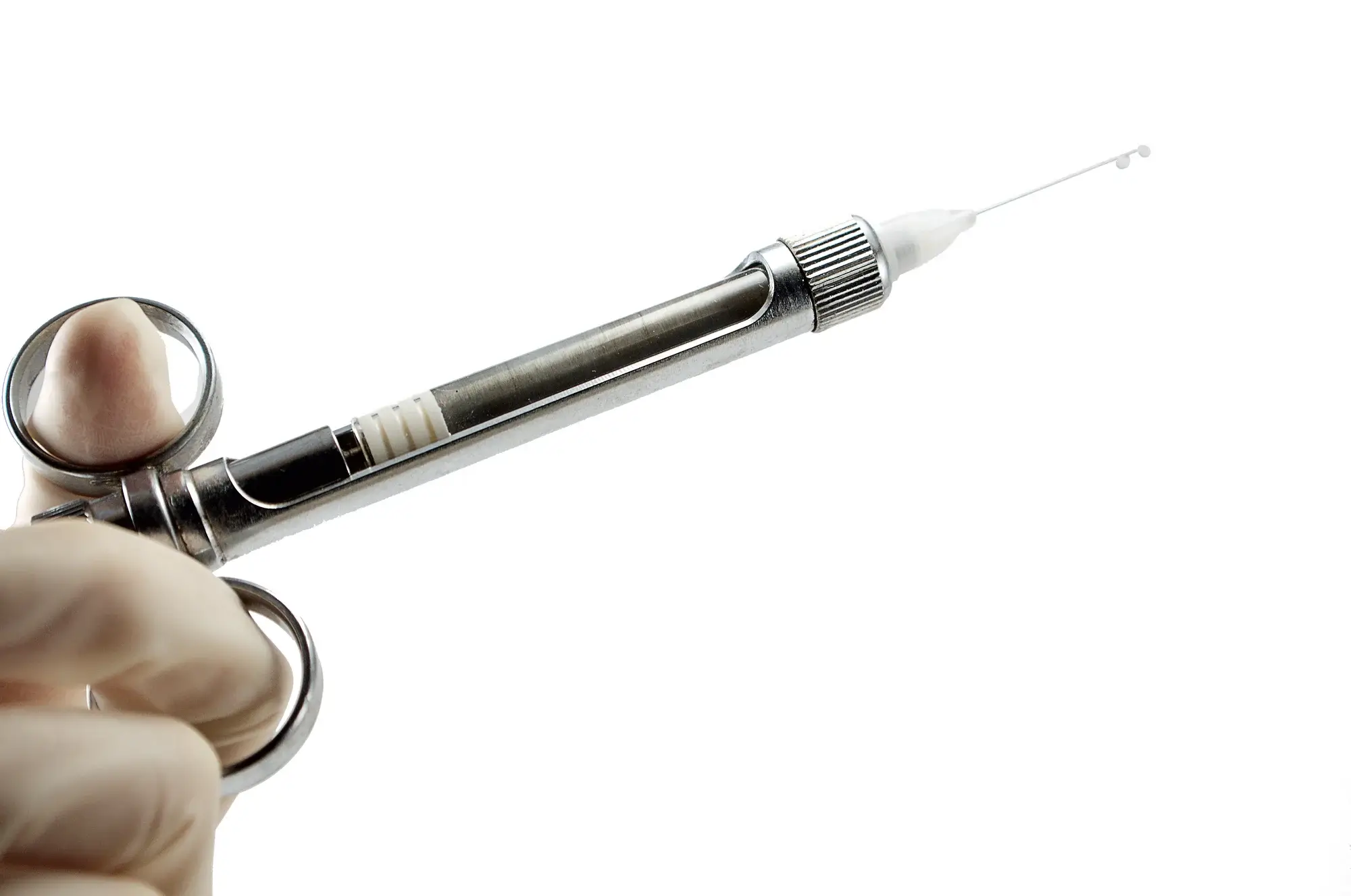
Sedation in dentistry is a procedure that allows our dentists to help patients relax during treatment. It can be used for a wide range of procedures, from routine cleanings to more complex surgical interventions. Sedation works by reducing the patient’s level of awareness to the point where they feel relaxed while still remaining responsive. This makes dental procedures less stressful and more comfortable.
How does sedation make dental procedures easier?
Sedation plays an important role in easing dental procedures, especially for patients who experience anxiety or have had bad dental experiences in the past. With its help, patients feel more relaxed and less sensitive to pain. This allows dentists to carry out the necessary treatment faster and more efficiently, while making the experience as pleasant as possible.
Book a consultation about sedation
An overview of the sedation techniques we use
In dentistry we use several sedation techniques tailored to each patient’s needs. The most common are inhalation sedation with nitrous oxide (laughing gas), oral sedation with sedative medication, intravenous (IV) sedation and general anaesthesia. Each technique has its own advantages and suits different types of procedure. Our specialists at OrthoDental can advise you on which technique would be best for your specific case.
Sedation also varies according to the depth of relaxation it achieves. We distinguish between minimal, moderate and deep sedation, as well as general anaesthesia.
Minimal sedation: relaxation without drowsiness
Minimal sedation is ideal for patients who want to be relaxed but fully conscious and able to communicate during the procedure. It lets patients feel comfortable and reduces anxiety without loss of consciousness. It is often used for less invasive procedures such as dental cleaning or minor repairs.
Moderate sedation: partial amnesia
Moderate sedation is a deeper form in which patients may experience slurred speech and partial amnesia, meaning they may not remember all the details of the procedure. This level suits more extensive procedures such as tooth extractions or larger restorations.
Deep sedation: on the edge of consciousness
Deep sedation places the patient in a state on the edge of consciousness while still breathing independently. It is suitable for more invasive procedures, such as complex surgical extractions or implant placement.
General anaesthesia
For the most extensive and complex procedures, deep sedation or general anaesthesia is sometimes used, in which the patient completely loses consciousness. This is ideal for patients who need a longer surgical procedure or who have an extremely high level of dental anxiety.
| Habit | How often | Benefit |
|---|---|---|
| Brushing | Twice a day | Prevents decay |
| Flossing | Daily | Healthy gums |
| Dental check-up | Every 6 months | Early detection |
Methods of sedation
Inhaling nitrous oxide (laughing gas)
Nitrous oxide, often called laughing gas, is a popular method for achieving minimal to moderate sedation. Inhaled through a mask, it acts quickly and creates a feeling of relaxation and wellbeing. Its main advantage is rapid reversibility – the effects wear off soon after inhalation stops, allowing patients to return to their normal activities not long after the procedure.
Sedation with propofol
Propofol is a powerful sedative often used for deeper sedation and general anaesthesia. It acts quickly, allowing patients to fall asleep within seconds, and provides a deep level of sedation ideal for more complex dental procedures.
IV sedation: directly into the vein for faster action
IV sedation involves administering sedatives directly into the bloodstream through a vein. This allows rapid, deep sedation that is ideal for patients who need larger procedures or who are very anxious. It gives precise control over the depth of sedation and quick adjustment of the dose according to the patient’s needs.
How do you prepare for sedation?
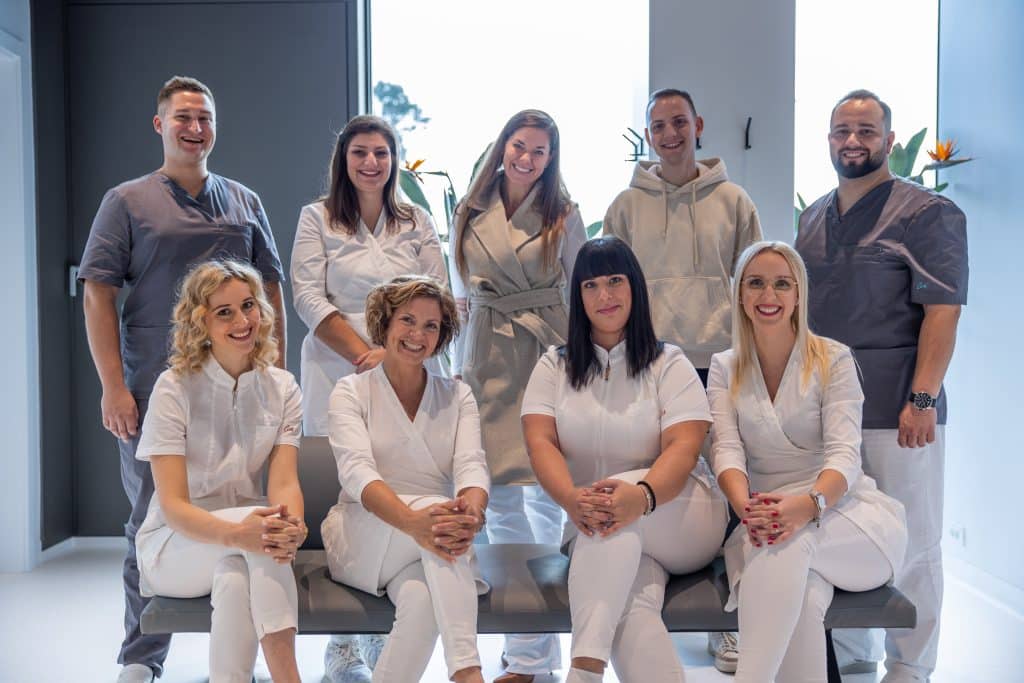
- Detailed history and medical assessment: Before sedation it is essential to review the patient’s medical history, including current medications and any allergies, so that conditions which could affect sedation are identified.
- Familiarisation with the procedure: Patients are thoroughly informed about the type of sedation to be used and how to prepare on the day. Clear information is key to comfort and cooperation.
- Individual adjustment: We adapt the type and level of sedation to each patient’s needs and health status to ensure maximum comfort and safety.
- Instructions for the day of the procedure: Patients receive specific guidance on eating and drinking, as well as the transport and accompaniment arrangements needed afterwards.
Who is sedation suitable for?
Sedation is suitable for a wide range of patients, including those who experience anxiety or fear of dental procedures, as well as patients who find it hard to relax during treatment. It is also useful for those who need more extensive procedures requiring them to sit still for longer periods, and it can be used for children.
Use in different dental procedures
Sedation can be used in numerous dental procedures – from basic to complex. This ranges from preventive cleaning and fillings to tooth extractions, dental implants and extensive reconstructive work. Using sedation helps make these procedures as stress-free and pain-free as possible.
The safety of sedation
When using sedation, patient safety is our top priority. At OrthoDental we ensure careful monitoring of patients before, during and after the procedure. We pay particular attention to preventing complications and to carrying out sedation safely and effectively.
Special caution with certain medical conditions
Extra caution is needed in patients with certain medical conditions, such as cardiovascular disease, respiratory disorders or allergies. At OrthoDental we adjust the type and level of sedation to the specific health needs of each patient.
After sedation: recovery and precautions
Restriction on driving: After sedation we recommend that patients avoid driving and operating heavy machinery for at least 24 hours. Sedatives can affect reaction time and concentration, so this protects both patients and other road users. The NHS gives the same advice after sedation for procedures such as wisdom tooth removal.[NHS]
Restriction on physical activity: After the procedure it is advisable to limit physical activity, including sport and heavy lifting, for at least a few hours or until the effects have completely worn off. This helps prevent complications and supports a faster recovery.
Proper nutrition and hydration: Drink plenty of fluids and stick to a light, easy diet until you are fully awake. Avoid hot drinks and hard or sticky foods to prevent any injury to the mouth.
Supervision and observation: It is advisable for the patient to be under the supervision of a responsible adult for the rest of the day, in case of late effects such as dizziness or drowsiness.
Sedation in dentistry is essential for providing a comfortable, worry-free experience for patients facing dental procedures. At OrthoDental we are committed to the highest standards of safety and care, whatever type of sedation we use, so that every visit is safe and pleasant.
Wondering when a tooth needs to be extracted? Read everything you need to know about tooth extraction.
Frequently asked questions
Will I be unconscious during sedation?
Not usually. With minimal and moderate sedation you stay conscious and responsive but deeply relaxed. Only deep sedation or general anaesthesia involves losing consciousness, and these are reserved for the most complex cases.
Which sedation method is right for me?
It depends on the procedure and your level of anxiety. Options include nitrous oxide, oral sedation, IV sedation and general anaesthesia. Your dentist will recommend the best approach after reviewing your medical history.
Can I drive myself home after sedation?
No. After sedation you should avoid driving and operating machinery for at least 24 hours, so arrange for a responsible adult to accompany you and take you home.
Is dental sedation safe?
Yes, when carried out by trained professionals. At OrthoDental patients are carefully monitored before, during and after the procedure, and the type and level of sedation are adjusted to each person’s health needs.
Related reading
Ready for a healthy, confident smile?
Book a dental examination in Ljubljana or Kozina.

Tooth injuries | What to do in an accident
Tooth injuries are common and can cause long-term problems if not dealt with in time. Read how to act in an accident and how to repair a damaged tooth.
Apicoectomy: root-end surgery to help save a tooth
Understand when an apicoectomy may help save a root-treated tooth, how the procedure works, recovery, alternatives and when to seek advice.

Dental bridge | How to replace missing teeth
A dental bridge replaces one or more missing teeth and restores chewing, speech and aesthetics. Learn about materials, the procedure and prices at OrthoDental.
