


Medically reviewed by Pia Slana, dentist · Last updated: July 2026
- A dental cap restores the shape, strength and appearance of a damaged or weakened tooth, and protects teeth after root canal treatment.
- Zirconia and all-porcelain caps give the most natural, metal-free result; porcelain-fused-to-metal is a strong traditional option.
- At OrthoDental a monolithic ceramic cap costs €500 and a layered ceramic cap €650.
- Caps last for many years with careful brushing, flossing and regular check-ups.
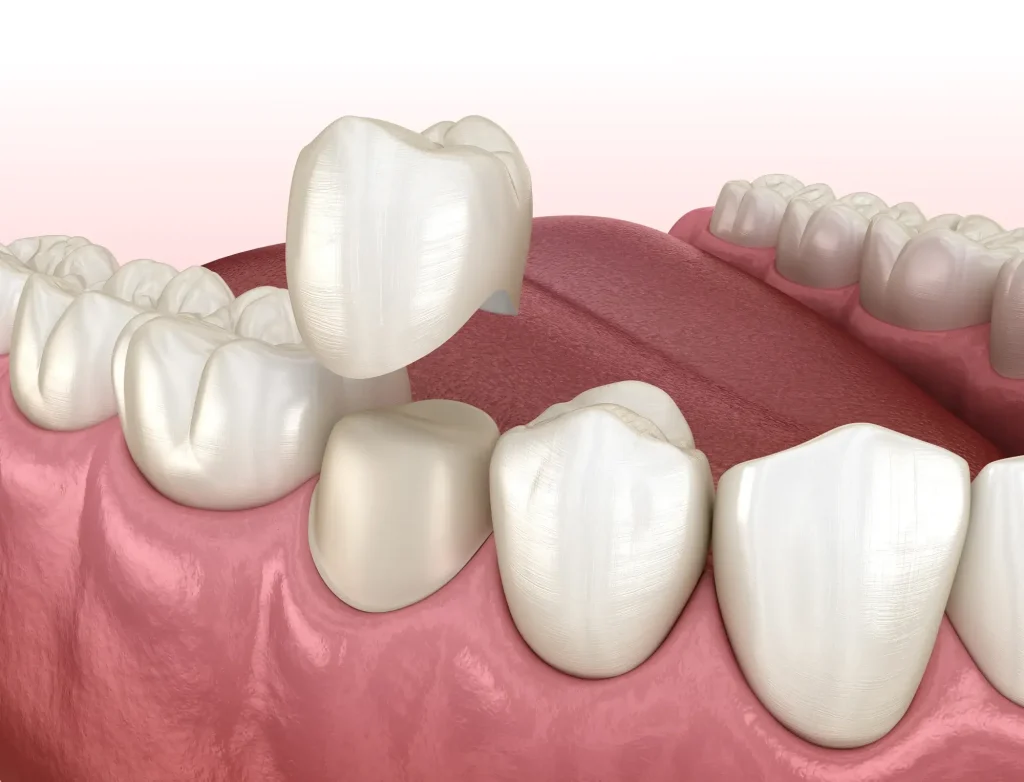
Dental caps are a prosthetic restoration made from various materials, such as porcelain or metal, and are designed to fit your tooth perfectly. With a cap, the tooth not only looks better, it is also stronger and more resistant to further damage. It is an excellent solution for keeping teeth healthy, especially after major treatments such as root canal treatment.
A dental cap is used to restore a damaged or weakened tooth. When a tooth is damaged, weakened or loses its shape, the dentist can use a cap to repair and protect it.
When do we need dental caps?
A weakened tooth: dental caps are needed when a tooth is severely damaged or weakened, for example by tooth decay, fracture or wear. In such cases the tooth loses its natural structure and strength, and the cap helps to restore its shape, function and appearance.
After tooth treatment: if you have had extensive dental treatment, such as root canal treatment, the tooth may have become brittle and more prone to fracture. Here the cap acts as protection, preventing further damage and supporting the weakened tooth.
For a nicer smile: caps can also improve the aesthetics of your smile. If your teeth are heavily stained, irregularly shaped or unevenly spaced, caps can improve their appearance.
Supporting a bridge: caps are important when fitting dental bridges. Bridges replace missing teeth and are attached to the neighbouring teeth by means of caps, which stabilise the bridge and keep the replacement tooth firmly in place.
On a dental implant: when an implant is placed in the jawbone, a cap serves as the replacement tooth, customised to match the shape and colour of the remaining teeth for a natural, harmonious appearance.
What are dental caps made of?
Metal dental caps are known for their long-lasting durability. They are extremely hard-wearing and do not stain, but their metallic appearance is not always aesthetically pleasing, especially on more visible teeth.
Porcelain-fused-to-metal caps are an improved alternative: a metal framework covered with ceramic gives a more natural look while maintaining strength. They suit larger restorations and molars, though a metal edge may become visible at the gum line over time.
All-porcelain dental caps are the ideal solution for the most natural appearance. Made of translucent porcelain that lets light pass through like natural enamel, they are particularly suited to front teeth and to people with metal allergies.
Zirconia dental caps are a newer innovation, combining strength comparable to metal with an almost perfectly natural appearance. They contain no metal, so there is no risk of metal allergy, and they are known for exceptional durability and minimal staining over the years.
When choosing the material, it is important to consider both aesthetic and functional properties. At OrthoDental we will be happy to advise you and choose the best material together, based on your individual needs. In some cases dental veneers may be the right solution instead.
Ask us about the right material
What does the dental cap fitting process look like?
Fitting a dental cap requires precision and care from the dentist. Every step is essential to ensure the cap fits correctly and functions well.
Preparing and reshaping the tooth is the first step: the dentist removes part of the tooth enamel and shapes the tooth to create a suitable form for the cap, working precisely so the cap sits properly without bite problems or impact on neighbouring teeth.
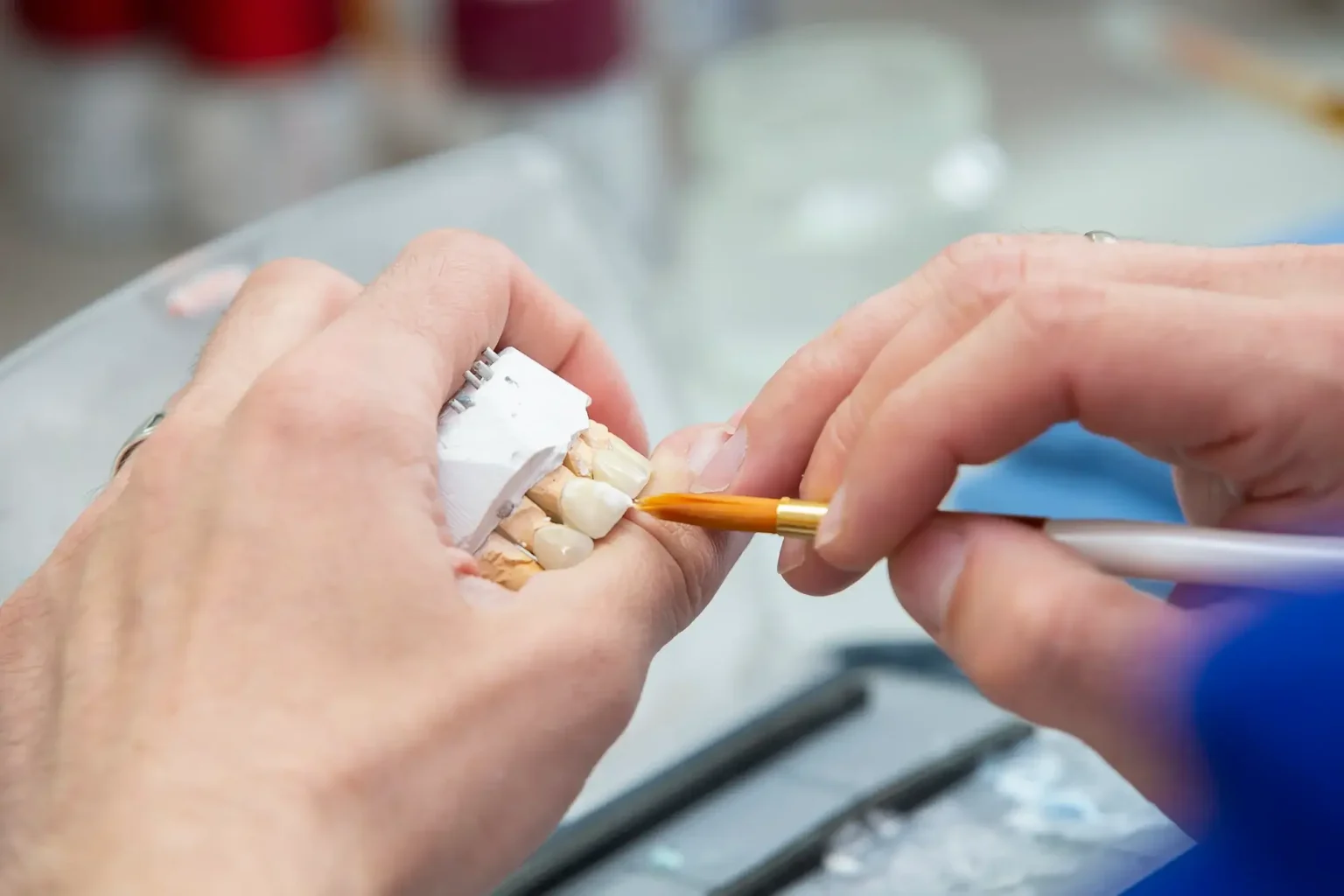
This is followed by taking impressions and fabricating the cap. The impression is sent to a dental laboratory, where the custom cap is made. In the meantime, the patient usually wears a temporary cap that protects the prepared tooth and maintains aesthetics.
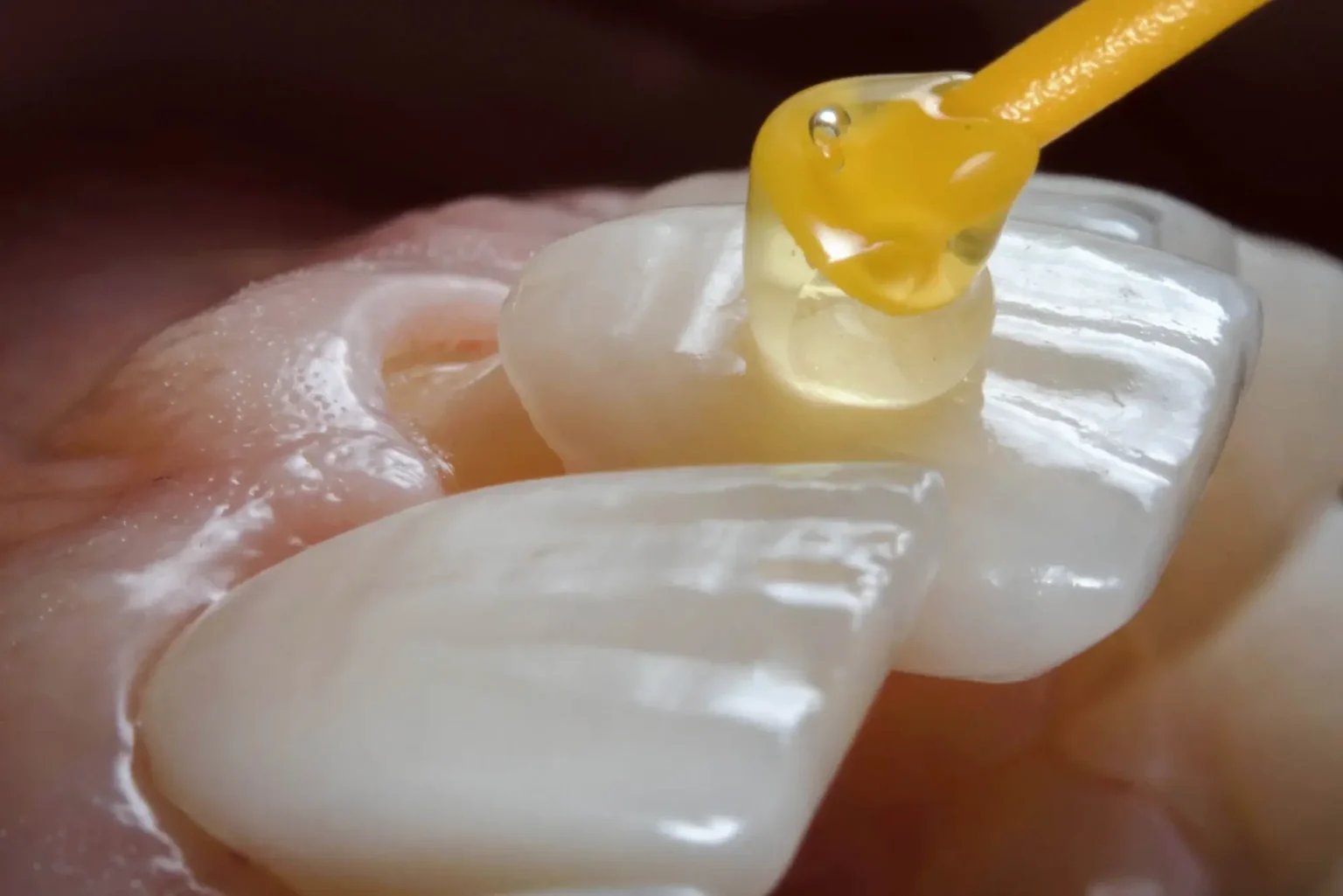
Fitting the cap is the final step. The dentist adjusts it precisely and permanently cements it in place with a special dental cement. After fitting, follow the care instructions to extend the cap’s life and protect your oral health. General guidance on crowns and caps is also available in the NHS overview of dental treatments.
Why do we recommend a zirconia dental cap?
- Exceptional strength and durability, comparable to metal caps, with high resistance to fracture and wear.
- An aesthetic appearance with a high degree of colour matching to the rest of your teeth — especially important for front teeth.
- No allergic reactions, as zirconia contains no metal.
- Less removal of tooth structure before fitting, preserving more of the natural tooth.
- Excellent performance in digital dental technology, allowing a precise, comfortable fit.
Dental cap price
At OrthoDental we offer two basic types of ceramic dental caps, which differ in fabrication technique and price. Monolithic dental caps cost €500 and are known for their robustness and cost-effectiveness — ideal for less visible teeth exposed to strong chewing forces. For more demanding aesthetic requirements, especially front teeth, we recommend layered ceramic caps at €650, which allow excellent colour matching for a natural, attractive smile. See also our price list.
Caring for dental caps after fitting
Regular brushing and flossing is essential to prevent plaque and caries build-up at the edge of the cap and along the gum. Use a soft toothbrush and non-abrasive toothpaste so as not to damage the surface, and visit the dentist regularly for professional cleaning and a check of the cap’s fit and function.
Avoiding harmful habits
Avoid biting very hard foods or objects, which could cause the cap to break or become damaged, and limit food and drink that could stain it, such as coffee, tea and red wine. With proper care, a dental cap can stay in good condition and serve its purpose for many years, improving both the health and the appearance of your smile.
Frequently asked questions
Is a dental cap the same as a dental crown?
The two terms are used largely interchangeably: both describe a custom-made restoration that covers a damaged tooth. You can read more in our guide to dental crowns.
How long does a dental cap last?
With good oral hygiene and regular check-ups, a ceramic or zirconia cap typically lasts many years. Avoiding very hard foods helps prevent damage.
How much does a dental cap cost at OrthoDental?
A monolithic ceramic cap costs €500 and a layered ceramic cap €650. Instalment payment is available through our partner Leanpay.
Does fitting a cap hurt?
The tooth is prepared under local anaesthesia, so the procedure should not be painful. Mild sensitivity for a few days afterwards is normal.
Related reading
Ready for a healthy, confident smile?
Book a dental examination in Ljubljana or Kozina.


Sensitive teeth | Understanding tooth sensitivity and its causes
Tooth sensitivity can appear when eating hot or cold food. Learn the causes – from enamel erosion to receding gums – and how to relieve it.

Tooth extraction price | How much does a tooth extraction cost?
How much does a tooth extraction cost? The price depends on the type of extraction – see OrthoDental’s clear, transparent price list.
Gingivitis (Gum Inflammation) | Symptoms, Causes & Treatment
Gingivitis is the early stage of gum disease – red, swollen, bleeding gums. Learn the symptoms, causes, treatment and prevention, plus answers to common questions.
