



Medically reviewed by Pia Slana, dentist · Last updated: July 2026
- Fear of the dentist is very common and often rooted in past experiences, fear of pain or embarrassment about the state of your teeth.
- Avoiding check-ups lets small problems turn into painful, more complex ones.
- Gradual exposure, clear communication and relaxation techniques all help you feel in control.
- Sedation and local anaesthesia make modern treatment comfortable and almost painless.
Fear of the dentist is a common phenomenon that affects people of all ages, from children to adults. This fear can stem from various reasons, such as past negative experiences, fear of pain or even embarrassment about the condition of one’s teeth. Nevertheless, visiting the dentist is crucial for maintaining the health of the oral cavity and preventing more serious problems.
Among the most effective approaches to overcoming the fear of the dentist is gradual exposure. This technique involves slow and controlled exposure to the situations that trigger fear, so that you can learn to manage your reactions. It also helps to choose a dentist who understands your concerns and builds a relationship of trust with you. Talking to your dentist about your fears can help create a far more positive experience.
Understanding the fear of the dentist
It helps to be aware of the complex nature of this feeling, which is often deeply rooted in a person’s psyche. This fear is not just the result of unpleasant physical sensations; it is often also linked to feelings of vulnerability and loss of control that we are exposed to in the dental chair. Dealing with it effectively calls for a holistic approach that includes both psychological support and adjustments to the way the visit is carried out, in order to give the patient a sense of safety and control.
The impact of fear on oral health
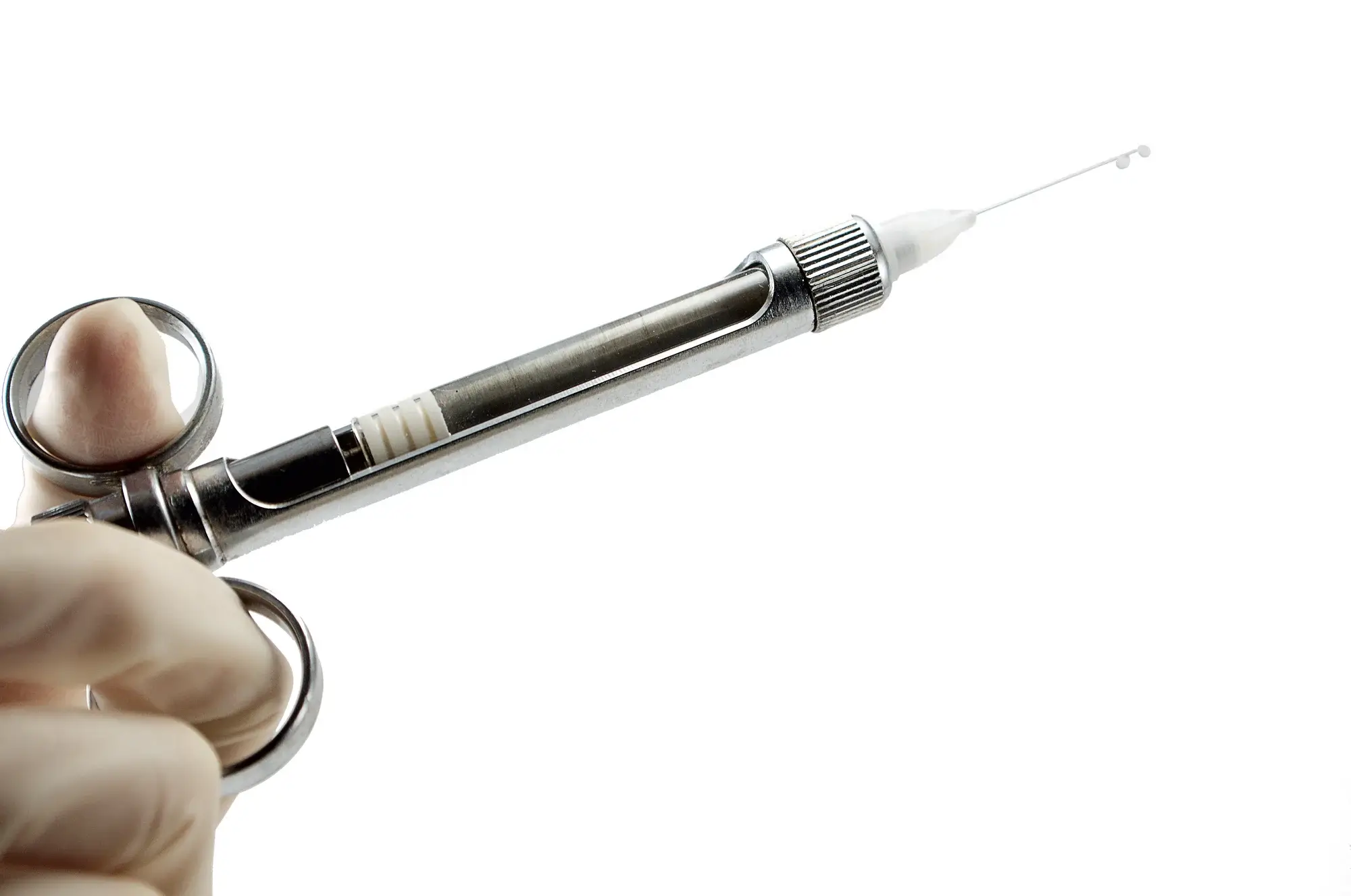
The impact of fear on oral health can be extensive, as it often leads to postponing or avoiding regular dental check-ups and treatment. This lack of preventive care allows untreated conditions such as tooth decay, gum disease and other serious problems to progress, eventually requiring more complex and uncomfortable procedures. It creates a vicious circle, in which the fear of the dentist only grows as dental health deteriorates. The NHS recommends regular check-ups precisely so that problems can be spotted and treated early, before they become painful.[NHS]
Causes of the fear of the dentist
The causes cover a wide range of factors, including past bad experiences, fear of pain, embarrassment about the condition of the teeth and concerns about personal privacy during a procedure. The psychological impact of past experiences is an important factor in the development of dental fear. Painful procedures, or a feeling of helplessness and lack of control during treatment, can leave a deep imprint and affect your future attitude towards the dentist. Understanding and addressing these experiences is key to breaking the cycle of fear and establishing a more positive attitude towards oral health care.
| Habit | How often | Benefit |
|---|---|---|
| Brushing | Twice a day | Prevents decay |
| Flossing | Daily | Healthy gums |
| Dental check-up | Every 6 months | Early detection |
Strategies for overcoming fear
- Gradual exposure: Start with less demanding visits, such as check-ups or a scale and polish, and gradually progress to more complex treatment. Repeating positive experiences slowly reduces the intensity of the fear.
- Information and communication: Before your visit, learn about the procedures ahead and share your concerns with the dentist. Understanding what will happen, and feeling you have some control, reduces anxiety. The dentist at OrthoDental always clearly explains each step and reassures you throughout.
- Relaxation techniques: Deep breathing, progressive muscle relaxation or visualisation can help you manage fear and ease tension during a visit. You can practise these at home and use them before or during your appointment.
- Bring a companion: A trusted person offering support and comfort can be calming and make you feel less isolated in the dental setting.
- Sedation or anaesthesia: Ask your dentist about sedatives or local anaesthesia to reduce discomfort. Different levels of sedation are available depending on your needs and the nature of the procedure.
- Positive affirmations and mental preparation: Focus on positive outcomes, such as healthy teeth and improved wellbeing, rather than on fear. Repeating positive thoughts can help reshape how you perceive dental care.
Choosing the right dentist
Choosing a clinic such as OrthoDental, where we pay special attention to the patient’s wellbeing, is crucial for people with dental fear or anxiety. We know how important it is for a patient to feel safe, understood and respected. Our approach ensures that your concerns are heard and addressed, which can significantly reduce anxiety and create a more positive experience.
The importance of empathetic dental care
Empathetic dental care, as we practise it at OrthoDental, plays a key role in overcoming the fear and anxiety associated with dental visits. We make every effort to keep each visit as stress-free as possible and to ensure that patients leave feeling that their fears and needs were truly taken into account. This encourages better long-term oral health and a greater willingness to attend regular check-ups.
The importance of support from friends and family
Support from friends and family plays an important role if you are troubled by the fear of the dentist. Family members or friends can offer moral support through comfort and encouragement, and they can also accompany you to appointments, which can significantly reduce feelings of anxiety.
The importance of arriving early and preparing
Arriving early lets you acclimatise to the clinic environment, reduces the stress of rushing, and gives you enough time to calm down before the procedure itself. Preparing can include reading about the procedure, practising relaxation techniques or writing a list of questions for the dentist, which we will be happy to answer.
Communication with the dental staff
Open and honest communication with the dental team is key to successfully overcoming the fear of the dentist. Talking to the dentist and their colleagues about your concerns can help create a treatment plan that takes your comfort into account. When we know about your anxiety, we can take extra steps to provide a calming, supportive environment that significantly improves your experience.
Actively asking questions
Actively asking questions and seeking information about planned procedures helps you feel more in control of your treatment and reduces fear. It clarifies what to expect, dispels myths and misconceptions, and enables informed decision-making. An informed patient is often more relaxed and better prepared, which leads to more positive experiences at the dentist.
Modern dental technology
Modern dental technology can play a key role in improving your experience and reducing fear. Advanced diagnostic tools, such as digital X-rays and intraoral cameras, allow quick and accurate identification of problems and reduce the need for invasive procedures. Innovative techniques such as laser dentistry, which we use at OrthoDental, mean less discomfort and faster healing.
Painless procedures as a tool for reducing anxiety
The development of painless dental procedures has significantly helped reduce patient anxiety. Methods such as sedation and local anaesthesia have proven extremely effective in providing a comfortable and almost painless experience.
At OrthoDental we chase away fear
At OrthoDental, we know how important it is to address our patients’ concerns and fears. We follow the latest trends in modern dental technology and are committed to painless procedures that reduce fear and improve the patient experience. Our dedication to excellence and empathy lets us create an environment where patients feel understood and safe — the foundation for long-term trust and satisfaction.
Our goal is not only to provide top-quality dental care but also to transform the way people perceive visiting the dentist. By investing in advanced technology and painless procedures, our dentists work to reduce anxiety while making every visit as pleasant as possible. We believe the key to successful treatment and lasting oral health lies in a relationship built on trust, understanding and expertise.
Frequently asked questions
Is it normal to be afraid of the dentist?
Yes. Dental fear is very common and affects people of all ages. It often stems from past experiences, fear of pain or embarrassment, and it can be managed with a gentle, understanding approach.
How can I reduce my anxiety before an appointment?
Arrive early to settle in, use deep breathing or other relaxation techniques, bring a trusted companion, and tell the dental team about your fear so they can adapt the visit to your needs.
Can I be sedated during dental treatment?
Yes. Depending on your needs and the procedure, different levels of sedation and local anaesthesia are available to keep you comfortable and make treatment almost painless.
Will avoiding the dentist make things worse?
Usually, yes. Skipping check-ups allows small issues such as decay or gum disease to progress into painful, more complex problems, which can increase fear over time.
Related reading
Ready for a healthy, confident smile?
Book a dental examination in Ljubljana or Kozina.


Sensitive teeth | Understanding tooth sensitivity and its causes
Tooth sensitivity can appear when eating hot or cold food. Learn the causes – from enamel erosion to receding gums – and how to relieve it.

Invisalign vs other clear aligners: Spark, Angel and Shine compared
A clinically reviewed comparison of Invisalign, Spark, ClearCorrect, Shine, Angel Aligner and mail-order aligners—and why planning matters more than plastic.

Dental tartar cleaning price | How much does scaling cost?
Is tartar building up on your teeth? See our detailed price breakdown and find out how much dental tartar (calculus) removal costs at OrthoDental.
