


Medically reviewed by Gordana Čižmek, dr. dent. med., spec. · Last updated: July 2026
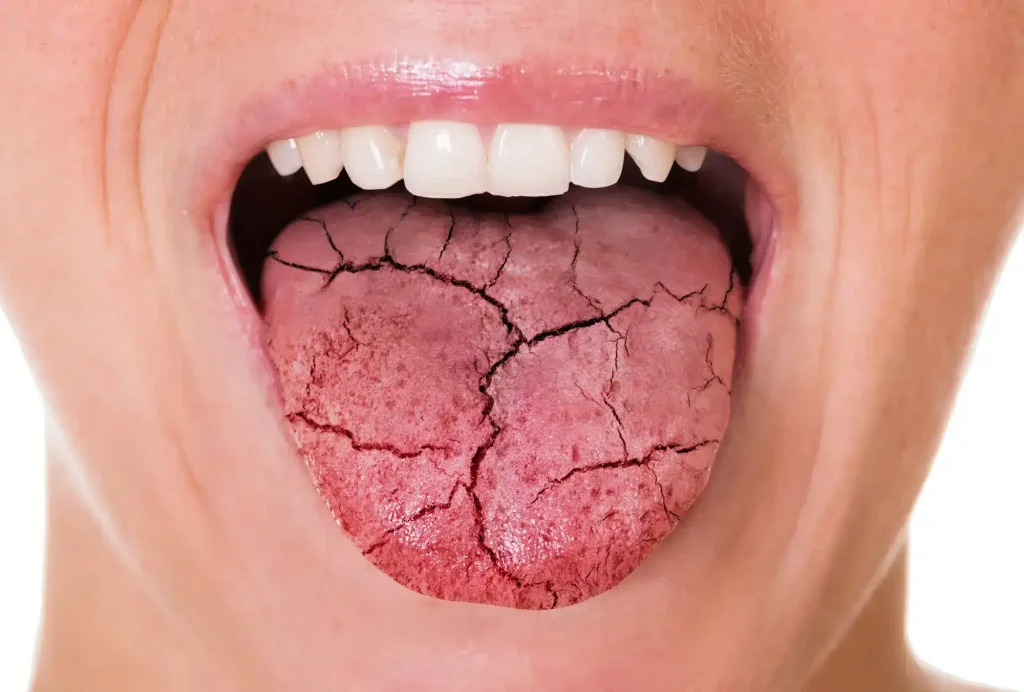
- Dry mouth (xerostomia) happens when the salivary glands do not make enough saliva.
- Common causes include ageing, medicines, dehydration, mouth breathing, stress, diabetes and Sjögren’s syndrome.
- Less saliva means weaker natural protection, raising the risk of decay and gum disease.
- Sipping water, avoiding caffeine, alcohol and tobacco, and good oral hygiene help; persistent dryness needs professional advice.
Dry mouth, also known as xerostomia, is a common problem that affects many people around the world. Although it may seem like a minor inconvenience, dry mouth can strongly affect a person’s quality of life, causing difficulties with eating, speaking and even breathing. In addition, it can contribute to a higher risk of dental disease, gum inflammation and infections of the oral cavity.
Age and dry mouth
Dry mouth is a common problem in older people, which is a result of the natural ageing process, taking certain medications or existing health conditions. Reduced salivary gland function leads to a feeling of dryness and can affect digestion, speech and the health of the teeth and gums. It is important that older people are aware of the importance of proper hydration and of the possible solutions for relieving this problem, such as using artificial saliva or making changes to their diet.
Dry mouth in people with diabetes
In people with diabetes, dry mouth is a common symptom that is not only unpleasant but can also indicate poorly controlled blood glucose levels. Dry mouth can increase the risk of oral infections, gum problems and tooth decay in diabetics. Managing diabetes and maintaining regular oral hygiene are key to preventing and managing this problem, and regular consultations with a doctor and dentist are also recommended.
| Habit | How often | Why it matters |
|---|---|---|
| Brushing | Twice a day | Removes plaque |
| Flossing | Daily | Cleans between teeth |
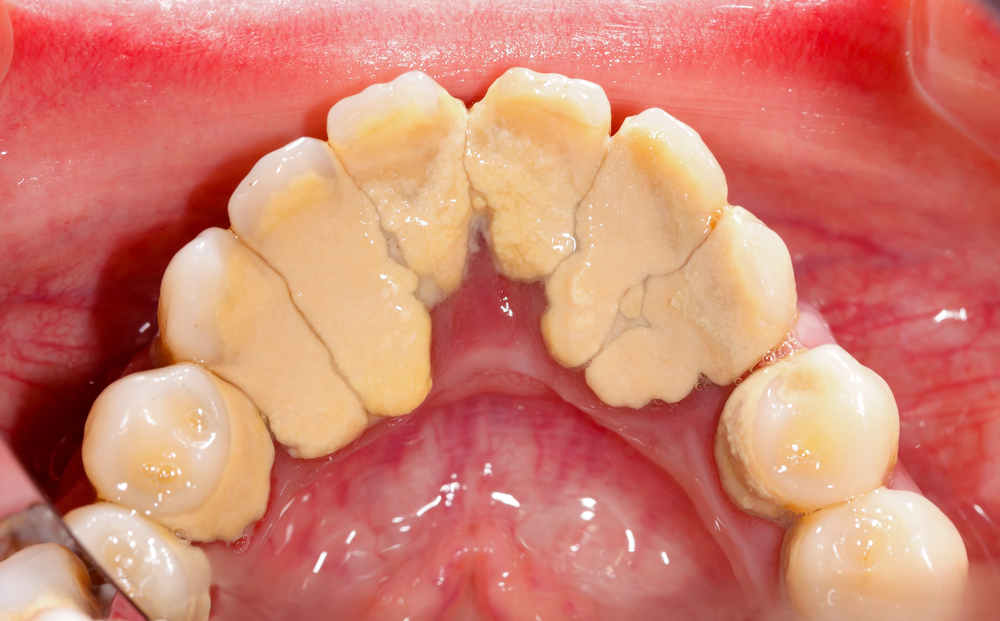
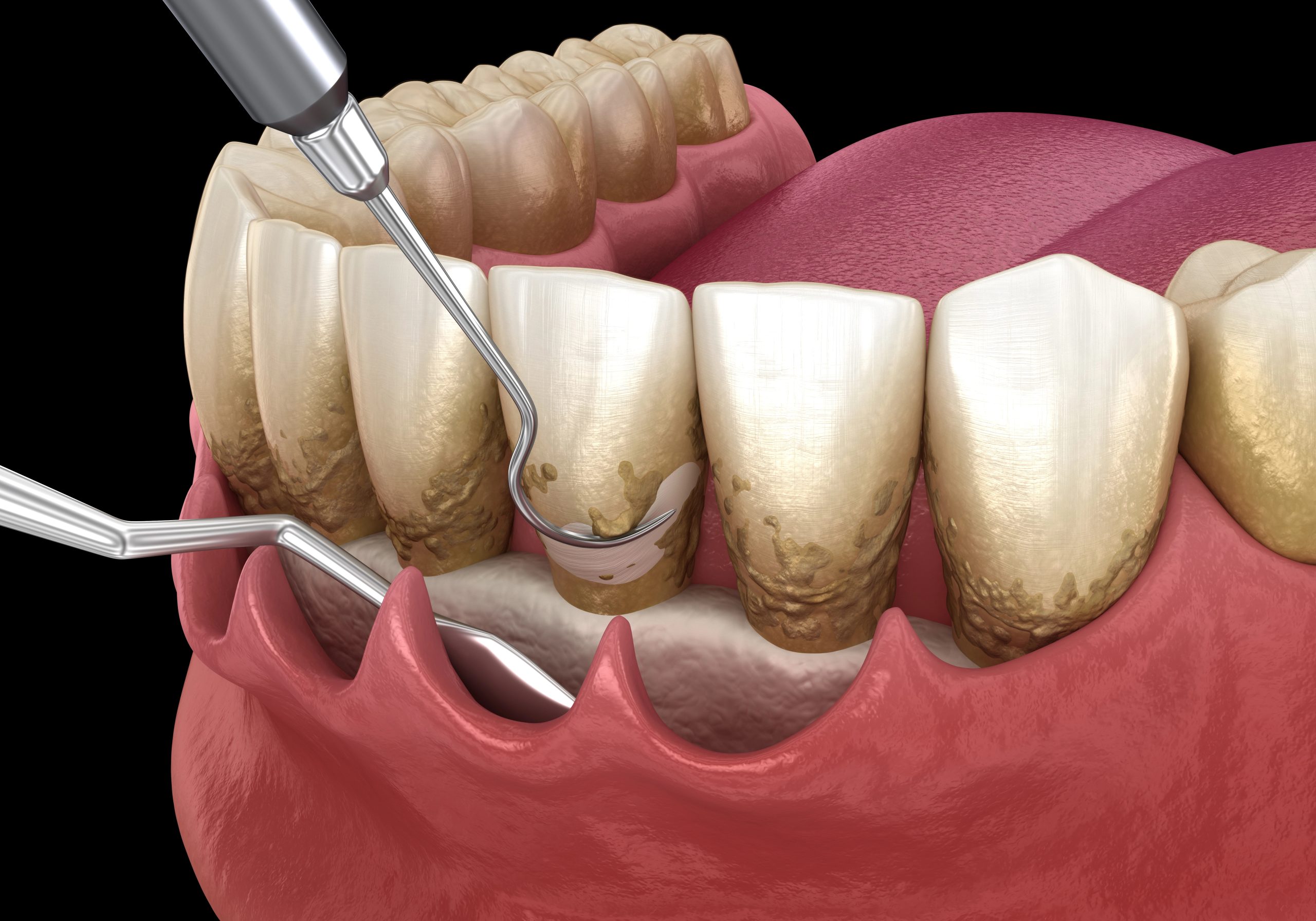
| Professional cleaning | Every 6 months | Removes tartar |
Dry mouth can be a sign of serious health problems
Dry mouth is not only unpleasant but can also be an indicator of more serious health conditions, such as Sjögren’s syndrome. This autoimmune disease affects the glands that produce tears and saliva, leading to chronic dryness of the mouth and eyes. Recognising the problem and early diagnosis are key to effectively managing the symptoms and preventing complications, so it is important that people with long-term dry mouth see a doctor.
Symptoms and consequences of dry mouth
Dry mouth can cause numerous problems, including difficulties with chewing, swallowing and general discomfort. This not only affects eating and enjoying food but can also cause speech problems and increase the risk of dental disease. Finding suitable solutions, such as special mouthwashes or chewing gums that stimulate saliva production, is important for improving the quality of life of people who face this problem.
The importance of saliva for digestion and protecting the teeth
Saliva plays a key role in our body, as it facilitates the digestion of food and protects the teeth and gums from infection. It acts as a natural cleanser of the oral cavity, neutralises the acids produced by bacteria and prevents tooth decay. In people who suffer from dry mouth, this natural defence is weakened, so it is good to address the problem as soon as possible and find solutions.
7 measures that prevent the feeling of dry mouth
- Increase your fluid intake: drinking water regularly throughout the day helps maintain oral moisture and stimulates saliva production. Avoid caffeine and alcohol, as they can further dry out the oral cavity.
- Use a humidifier: in dry, heated rooms, a humidifier can help maintain suitable moisture, which reduces the feeling of dry mouth.
- Adjust your diet: eat foods that stimulate salivation, such as fresh fruit and vegetables. Avoid overly salty or spicy food, which can cause additional dryness.
- Maintain good oral hygiene: regular brushing, using dental floss and rinsing the mouth with alcohol-free mouthwashes can help prevent problems associated with dry mouth, such as dental disease.
- Avoid smoking and chewing tobacco: these products can further dry out the oral cavity and worsen the feeling of dry mouth.
- Use products for moistening the mouth: various products are available on the market, such as artificial saliva or gels, which can help maintain oral moisture.
- Visit the dentist regularly: regular dental check-ups and professional teeth cleaning help prevent complications associated with dry mouth, such as tooth decay and gum disease. A dentist can also advise on special products or therapies for dry mouth.
Stress as a psychological cause of dry mouth
Dry mouth can also be a consequence of stress. Stress is an important psychological cause that can disrupt the functioning of the autonomic nervous system, which regulates the work of the salivary glands. Chronic stress can therefore reduce saliva production, which leads to a feeling of dryness in the mouth. Addressing this problem often involves strategies for managing stress, such as relaxation techniques, meditation or psychological counselling, together with other measures to increase moisture in the mouth.
Physical causes: dehydration and medications
Dehydration is one of the main physical causes of dry mouth, as a lack of fluid in the body directly affects the amount of saliva produced and reduces saliva secretion. In addition, many medications, such as antidepressants, antihistamines and medications for high blood pressure, can cause dry mouth as a side effect, as they inhibit the salivary glands and saliva secretion. The NHS lists medicines, dehydration and certain treatments among the common causes of a dry mouth. It is important that people drink enough water and consult their doctor about possible alternatives or solutions for medications that cause this problem.
Mouth breathing and its effect
Mouth breathing is another common cause of dry mouth, as the air that passes over the oral mucosa during breathing can cause it to dry out. This problem is especially pronounced when the dry mouth occurs only at night. Addressing this problem involves finding the causes of mouth breathing, such as a blocked nose or sleep apnoea, and using suitable therapies or exercises to encourage breathing through the nose, which can help reduce dryness of the mouth and enable better functioning of the salivary glands.
Treatment of dry mouth depends on the underlying cause
Treatment of dry mouth varies greatly depending on the underlying cause of the problem. Dry mouth can be a result of taking certain medications, so in this case you can talk to your doctor about adjusting the dose or changing the medication. In the case of dehydration, it is key to increase fluid intake and consequently saliva secretion. For dry mouth that is a consequence of autoimmune conditions such as Sjögren’s syndrome, specific medications that stimulate saliva production or treatment of the underlying condition may be needed. In some cases, artificial saliva or special gels for moistening the mouth may also be recommended.
The importance of consulting a doctor
Consulting a doctor is key when addressing dry mouth, as only a professional can effectively determine the underlying cause and recommend the most suitable treatment. A doctor may suggest a comprehensive examination that includes laboratory tests, examinations of the salivary glands or even a referral to a specialist, such as a dentist or an oral medicine specialist, if this is necessary. It is important that patients follow the doctor’s instructions carefully and regularly report on the effects of treatment, so that the therapeutic approach can be adjusted if needed.
To combat dry mouth it is important to take a holistic approach to the problem, which includes both lifestyle changes and possibly the use of special products or medications. It is important not to underestimate the impact that dry mouth can have on our health and wellbeing. Following the advice above can significantly improve the symptoms of dry mouth and improve quality of life. Regular consultation with health professionals, such as the dentists at OrthoDental, who can offer individualised advice and solutions, is also crucial. Caring for oral hygiene and health is an important part of caring for our general health, so we should not neglect any symptoms, even if they seem minor.
Wondering why bad breath can occur and how to get rid of it? Read more in our article on bad breath.
Frequently asked questions
What causes a dry mouth?
Common causes include the natural ageing process, medicines such as antidepressants, antihistamines and blood-pressure drugs, dehydration, mouth breathing, stress, diabetes and autoimmune conditions such as Sjögren’s syndrome.
Why is saliva so important for my teeth?
Saliva cleanses the mouth, neutralises the acids produced by bacteria and helps prevent decay and gum disease. When saliva is reduced, this natural protection weakens, so dry mouth raises the risk of dental problems.
How can I relieve a dry mouth at home?
Sip water regularly, limit caffeine, alcohol and tobacco, use a humidifier in heated rooms, chew sugar-free gum and consider artificial-saliva products or gels. Good oral hygiene with alcohol-free mouthwash also helps.
When should I see a dentist or doctor about dry mouth?
If dry mouth is persistent, seek advice. It can point to an underlying condition and increases the risk of decay and gum disease, so a professional can identify the cause and recommend the right treatment.
Related reading
- Bad breath: causes and solutions
- Oral hygiene essentials
- Tooth decay and cavities
- Gingivitis and gum inflammation
- Sensitive teeth explained
Ready for a healthy, confident smile?
Book a check-up at OrthoDental — expert care across 5 clinics in Slovenia, with no waiting list.
Book a check-upLearn about professional hygiene & tartar removal


Different types of dental implants
Dental implants have become a popular replacement for missing teeth due to their effectiveness and durability. However, there are several types of implants that can be used to solve a variety of dental problems.

Ceramic implants
Thinking about replacing a missing tooth? Discover the pros and cons of dental bridges and implants in our blog. Our guide will help you make an informed decision for optimal oral health.

Endodontics – root canal treatment
Endodontics deals with diseases of the dental pulp. Learn when root canal treatment is needed, how it is performed, its success rate, and what recovery looks like.
