


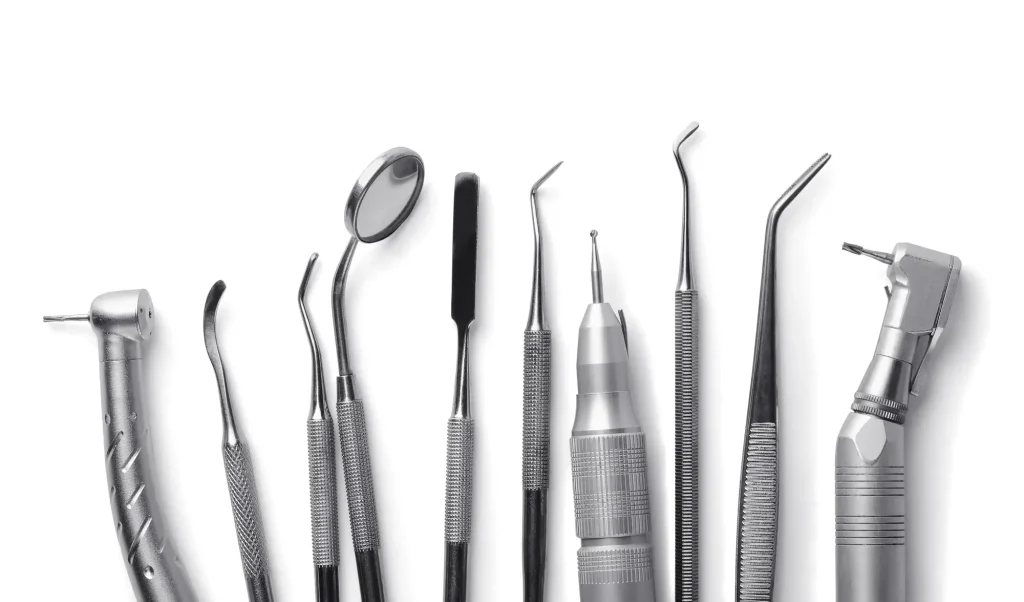
Individual, respectful dental care
Dental care for people with special healthcare needs
A disability, medical condition, sensory difference or need for additional support should not prevent access to oral healthcare. The safest approach is individual: understand the person’s health, communication and daily-care needs, then plan the visit, prevention and treatment around them.

Who may benefit from adapted dental care?
People with physical, intellectual, developmental, sensory, behavioural or complex medical needs may require changes to the usual appointment. The relevant issue is not a label but what helps that person receive safe, dignified care.
The team may need information about diagnoses, medicines, allergies, previous dental experiences, mobility, communication, decision-making support and the person’s ability to maintain oral hygiene.
Preparing for the appointment
Contact the clinic before booking so the team can assess access, timing and the most appropriate clinician and location. Explain what communication works best and whether the patient benefits from a quiet time, a step-by-step explanation, a pre-visit, a familiar item or a supporter in the room.
Bring an up-to-date medicines list and relevant medical information. Consent and the patient’s preferences remain central, even when a caregiver helps with communication.
Prevention at home
An individual prevention plan can include adapted toothbrush handles, a powered brush, a high-fluoride prescription when clinically indicated, dietary support and a suitable interdental aid. Caregivers may need a practical demonstration and a routine that the patient can tolerate.
Dry mouth, reflux, frequent medicines, altered diet and difficulties with self-care can increase oral risk, so recall intervals should be personalised.
Treatment planning and referral
Some care can be provided with communication and environmental adjustments. Other cases may require specialist facilities, medical coordination, sedation assessment or hospital services. We first assess what can be provided safely and make an appropriate recommendation or referral where needed.
Questions patients ask
Frequently asked questions
Can a caregiver attend the appointment?
Usually this can be helpful when the patient wants it and it supports communication or care. Tell the clinic when booking so the visit can be planned appropriately.
Does every patient need sedation?
No. Many people are supported through preparation, communication and shorter or staged visits. Sedation requires a separate clinical assessment and is not assumed.
Is every OrthoDental location suitable for every need?
No. Accessibility, equipment, clinician availability and the treatment required must be checked before confirming the location.
Clinical sources
This article translates and expands the Slovenian OrthoDental source article and was checked against the following patient guidance:
A page cannot diagnose you
Have the problem assessed in person
Tell us what you have noticed and we will help you choose the appropriate examination, clinician and location.


Endodontics – root canal treatment
Endodontics deals with diseases of the dental pulp. Learn when root canal treatment is needed, how it is performed, its success rate, and what recovery looks like.

Dental prosthetics – everything you need to know
Dental prosthetics replaces missing teeth and restores function and aesthetics. Learn about dentures, bridges, caps and implant-supported solutions at OrthoDental.
Oral hygiene | How to care for your teeth and gums properly
Oral hygiene is more than just brushing. It is a daily habit that determines how much plaque stays on your teeth, how healthy your gums are and how fresh your breath is.
