



Medically reviewed by Pia Slana, dentist · Last updated: July 2026
- Flossing removes plaque and food debris from between the teeth, where a toothbrush cannot reach.
- Aim to floss gently once a day, curving the floss in a C shape around each tooth.
- Bleeding when you floss can be a sign of existing gum inflammation, not damage from the floss.
- Interdental brushes and water flossers are useful alternatives for wider gaps or difficult cases.
Flossing is one of those oral hygiene tasks that often stays in the shadow of regular tooth brushing. Even so, as dentists we constantly emphasise its importance for keeping your teeth and gums healthy. As a preventive measure, flossing plays a key role in removing dental plaque and food debris from places a toothbrush cannot reach. This simple but effective method can significantly reduce the risk of decay between the teeth and other dental diseases.NHS
How flossing complements brushing
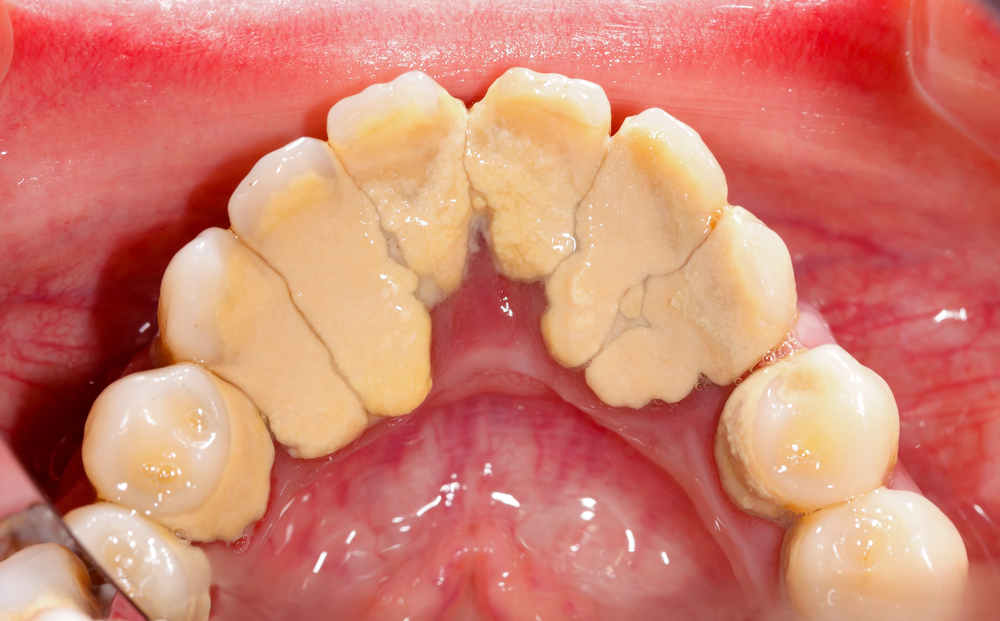
Tooth brushing is the foundation of oral hygiene, helping to remove dental plaque and prevent decay. However, brushing cannot completely clean the spaces between the teeth and below the gum line, where plaque and food debris often accumulate. Flossing is crucial, as it complements brushing by removing the particles a brush cannot reach.
Interdental cleaning: brush versus floss
While a brush effectively cleans the outer and inner surfaces of the teeth and the chewing surfaces, floss reaches into the spaces between the teeth and the area along the gums, which are critical for preventing gum disease. Flossing removes plaque and bacteria from these hard-to-reach places, something brushing alone cannot achieve.
Tooth anatomy and the need for flossing
Because of the way teeth are arranged in the mouth, there are natural gaps between them where plaque and bacteria can easily linger. Flossing provides access to these spaces and is essential for removing plaque that can cause dental diseases, including decay and periodontal disease.
The interdental spaces are especially prone to the build-up of plaque and food debris. If not removed, this plaque can mineralise and form tartar, leading to gum inflammation and other dental problems.
You can find out why your teeth may feel sensitive when you floss in our guide to sensitive teeth.
| Habit | How often | Why it matters |
|---|---|---|
| Brushing | Twice a day | Removes plaque |
| Flossing | Daily | Cleans between teeth |
| Professional cleaning | Every 6 months | Removes tartar |
Technique and the importance of regular flossing
The correct technique involves using a long enough piece of floss, which you gently guide between the teeth and along the gum to remove plaque and food debris. Regular flossing, ideally once a day, helps prevent tooth decay and gum disease and can even contribute to better overall health.
How to floss your teeth correctly
- Cut off a piece of floss about 45 cm long and wind it around the middle fingers of both hands, leaving about 10 cm of floss between them.
- Gently guide the floss between the teeth with a light sawing motion.
- When you reach the gum, curve the floss around one tooth in a C shape, gently push it into the space between the gum and the tooth and move it up and down along the side of the tooth.
- Repeat for all the teeth, using a clean section of floss for each new space.
Flossing should not cause pain; if you feel discomfort or notice bleeding, this can be a sign of gum inflammation that requires extra attention and possibly a visit to the dentist. Regular flossing and brushing, together with professional cleaning, are key to keeping your teeth and gums healthy.
Dental floss or interdental brush?
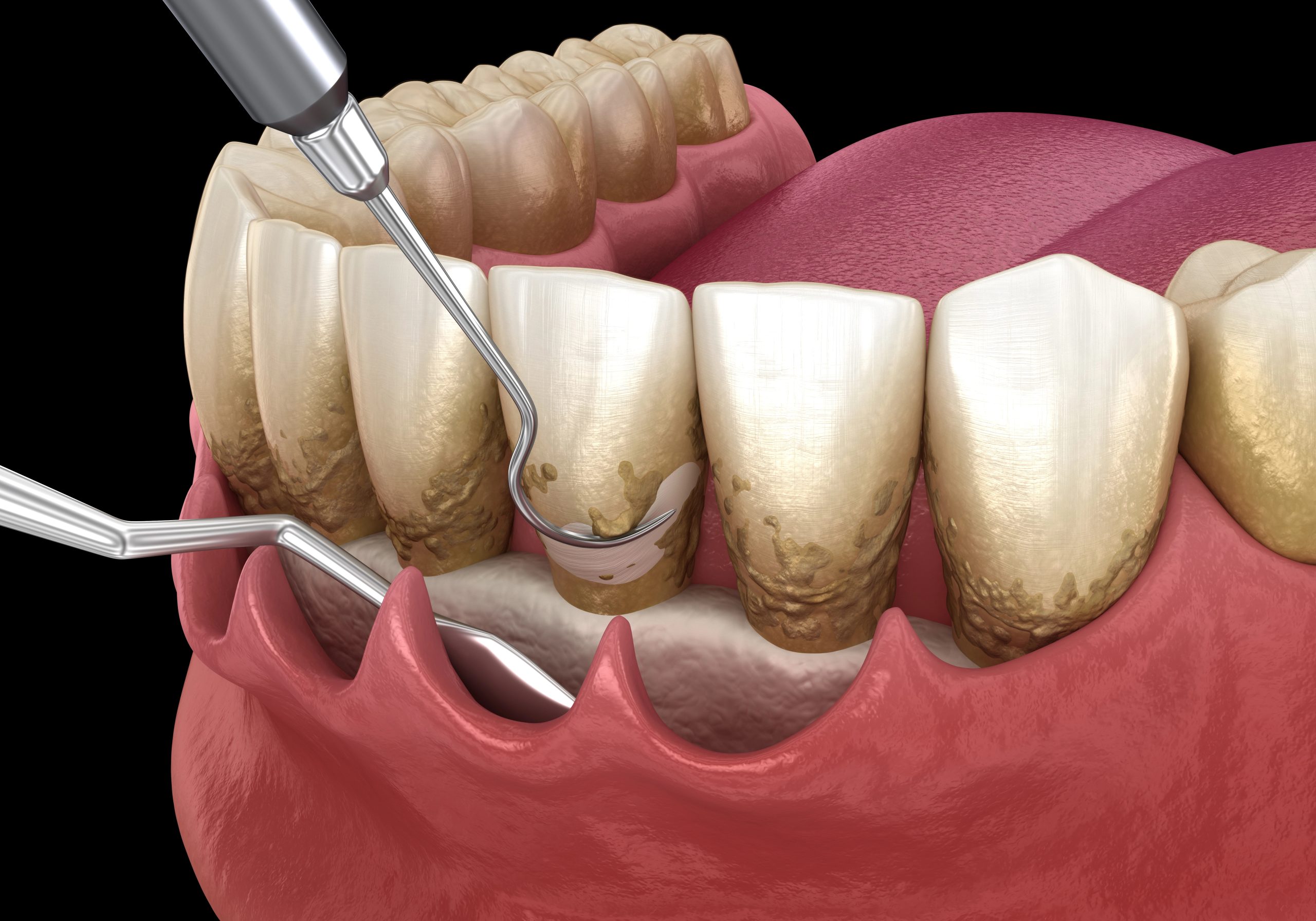
When it comes to cleaning between the teeth, the question often arises whether it is better to use dental floss or interdental brushes. Flossing is the traditional method that removes plaque and food debris from the narrow spaces between the teeth, where a brush cannot reach. Interdental brushes, on the other hand, are more suitable for people with larger gaps between the teeth, as their bristles can better clean wider interdental spaces.
Can using dental floss be harmful?
There is a myth that flossing can damage the enamel or gums, which puts some people off using dental floss. If flossing is done correctly and gently, these risks are unfounded. Problems can only occur if dental floss is used too aggressively or incorrectly, which can cause abrasions on the gums or damage tooth tissue.
Dentists have repeatedly confirmed that correct flossing damages neither the enamel nor the gums. The key is to guide the floss carefully and gently, without excessive force. If bleeding occurs, this can be a sign of pre-existing gum inflammation rather than a result of flossing.
Wondering what your body is telling you if you have a dry mouth? Read more about dry mouth.
Alternative methods of cleaning between the teeth
In addition to floss and interdental brushes, there are other ways to clean the interdental spaces, such as water flossers or air flossers. These devices use a jet of water or air to remove plaque and food debris from the spaces between the teeth and around the gums. They are an excellent alternative for people who find dental floss or interdental brushes difficult to use, as they are gentle on the gums and easy to handle. Every method of cleaning between the teeth has its advantages and disadvantages and may suit certain situations and individual needs.
Flossing and diet: extra tips for oral health
Diet plays an important role in keeping your teeth and gums healthy. Food rich in calcium and phosphates, such as milk, cheese and leafy green vegetables, can help strengthen tooth enamel. It also helps to limit your intake of sugars and acids, which can encourage decay and enamel erosion.
Food that easily gets stuck between the teeth, such as meat, apples and nuts, can increase the need for flossing. Flossing after such meals is especially useful for removing debris that can contribute to plaque and decay. As well as keeping the interdental spaces clean, flossing also stimulates saliva flow, which naturally helps clean the teeth and neutralise the acids produced by bacteria in the mouth.
Dental floss is essential for maintaining complete oral hygiene and preventing dental diseases. It removes food debris and plaque from between the teeth where a toothbrush cannot reach, and it also reduces the risk of tartar, gingivitis and periodontal disease. Regular flossing contributes to healthy gums, helps prevent bad breath and can even reduce the cost of dental treatment in the long term.
Wondering whether it makes sense to buy an electric toothbrush? Read more about the electric toothbrush.
Frequently asked questions
How often should I floss?
Ideally once a day. Regular daily flossing gently removes plaque and food debris from between the teeth and along the gum line, where a toothbrush cannot reach.
Is it normal for my gums to bleed when I floss?
Bleeding is often a sign of existing gum inflammation rather than damage from the floss. Keep flossing gently, and if the bleeding persists, arrange a visit to your dentist.
Should I use dental floss or an interdental brush?
Floss is best for narrow spaces between closely spaced teeth, while interdental brushes suit wider gaps. Some people use both, and a dentist can advise on the right sizes for you.
Can flossing damage my enamel or gums?
No. Correct, gentle flossing damages neither the enamel nor the gums. Harm can only occur if floss is used too aggressively or incorrectly, so guide it carefully and avoid excessive force.
Related reading
Ready for a healthy, confident smile?
Book a dental examination in Ljubljana or Kozina.


Tooth extraction price | How much does a tooth extraction cost?
How much does a tooth extraction cost? The price depends on the type of extraction – see OrthoDental’s clear, transparent price list.

Dentures – a perfect smile at any age
Dentures are an ideal solution for people of all ages who have lost one or more teeth. Learn about the different types of dentures and how they can improve your quality of life.

Oral cancer: why early detection matters
Learn which mouth changes need prompt assessment, the main oral cancer risk factors and what happens during a routine soft-tissue examination.
