


Medically reviewed by Gordana Čižmek, dr. dent. med., spec. · Last updated: July 2026
- With the correct technique, a manual toothbrush can clean just as thoroughly as an electric one.
- Electric brushes – oscillating-rotating, sonic and ultrasonic – can make consistent plaque removal easier with less effort.
- Helpful extras include pressure sensors, timers and multiple cleaning modes.
- Whichever brush you choose, brush twice a day, floss daily and have a professional cleaning every six months.
Electric toothbrushes have become very popular recently, as they promise more thorough cleaning and plaque removal with minimal effort. But this raises a question: are they really more effective than ordinary manual toothbrushes if the user already uses the correct brushing technique? If a person follows expert recommendations – brushing for three minutes, using the right movements and being thorough – a manual toothbrush can also achieve a thorough clean.
An overview of electric toothbrushes and their development
The electric toothbrush is not a novelty in oral hygiene; the first models appeared on the market as early as the mid-20th century. Since then, electric toothbrush technology has advanced remarkably, introducing different cleaning modes, pressure sensors, timers to ensure sufficient brushing time and even connectivity with smart devices for tracking brushing habits. Development has focused on improving the efficiency of plaque removal and reducing the risk of dental diseases such as gingivitis. But although these innovations have made electric toothbrushes more accessible and popular, the fundamental question remains: compared with manual brushing done with the proper technique, are these devices really more effective?
| Habit | How often | Why it matters |
|---|---|---|
| Brushing | Twice a day | Removes plaque |
| Flossing | Daily | Cleans between teeth |
| Professional cleaning | Every 6 months | Removes tartar |
Electric toothbrush or manual?
It is important to be aware that the correct brushing technique plays a major role in achieving optimal results regardless of the type of brush. Manual toothbrushes require more skill and conscious use of correct brushing techniques, which for some users can lead to uneven plaque removal. On the other hand, electric toothbrushes offer technological advantages such as oscillating-rotating heads or sonic technology, which can help remove plaque more consistently with less effort. However, manual brushes are more affordable and easier to use, which can be an advantage for many people.
According to the NHS, what matters most is that you clean all the surfaces of your teeth thoroughly twice a day – whether you use a manual or an electric toothbrush.
Types of electric toothbrushes
There are several types of electric toothbrushes on the market that differ in how they work and the technology they use to clean the teeth. The main categories are: oscillating-rotating, sonic and ultrasonic toothbrushes. Each type has its own characteristics and advantages. Oscillating-rotating brushes work by turning the brush head in one direction and then the other, which helps remove plaque. Sonic brushes use high-frequency sound vibrations to clean the teeth, while ultrasonic brushes produce even higher frequencies that can break up plaque on a microscopic level.
Technological innovations and extra features
Modern electric toothbrushes come with various technological innovations and additional features that can improve the experience of cleaning the teeth and gums. These include different cleaning modes for sensitive teeth, whitening or gum massage, smartphone apps that track your brushing habits, and UV sterilisers for the brush heads.
Have you ever noticed a dental abscess while brushing? Read more about it in our article.
The effect on oral health
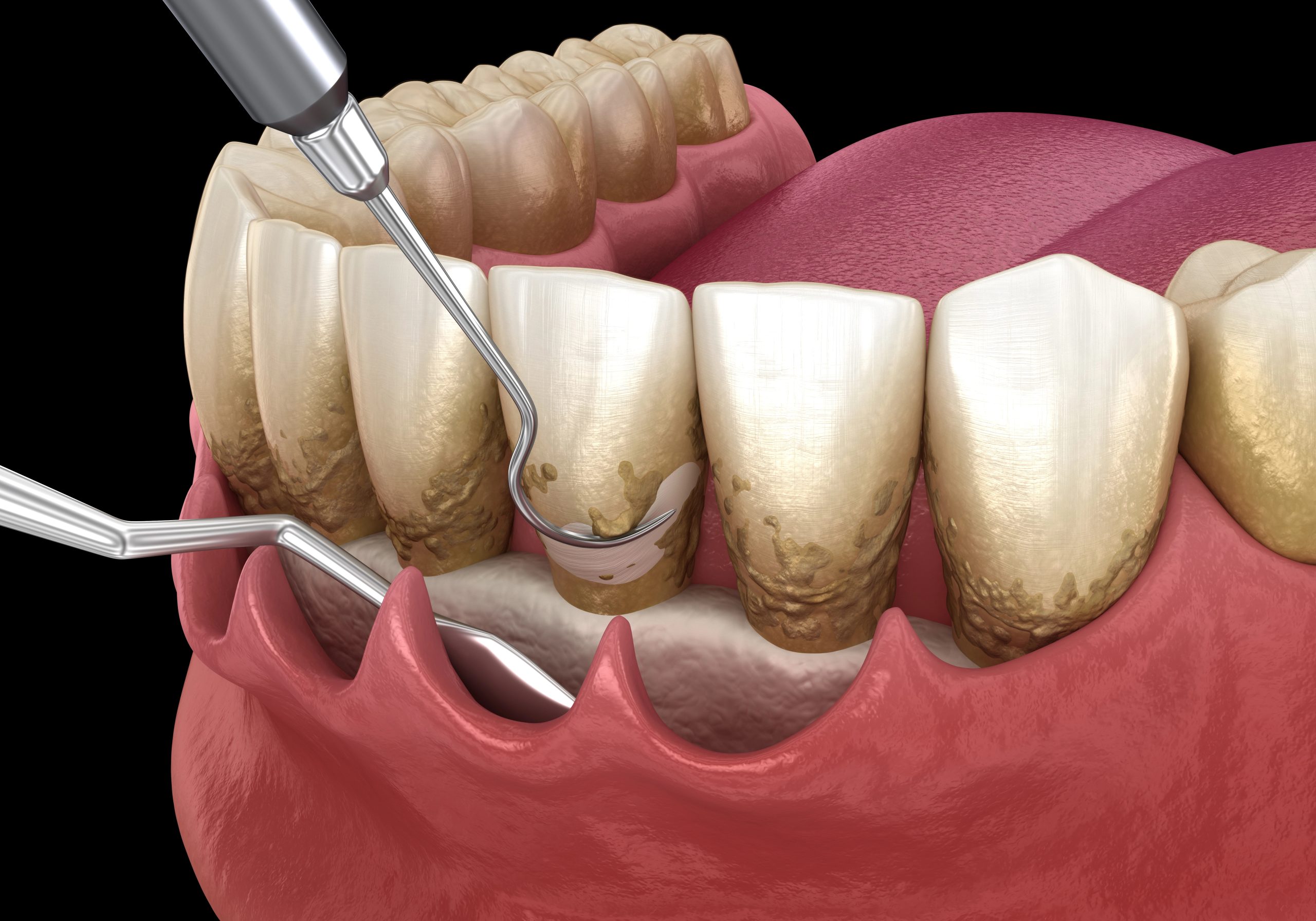
Regular use of any toothbrush has a positive effect on oral health. By thoroughly removing plaque and reducing gingivitis, they help keep the teeth and gums healthy. In addition, their use encourages better oral-hygiene habits, contributing to overall oral health.
The drawbacks of an electric toothbrush
Some users worry that intensive brushing with an electric toothbrush could damage the enamel or cause gum recession, especially if excessive pressure or a brush head that is too hard is used. In addition, the initial purchase of an electric toothbrush and the regular replacement of brush heads represent a greater financial burden compared with manual toothbrushes. Although electric brushes can offer a more thorough clean, it is important that potential users weigh these drawbacks against the benefits to decide whether the investment is right for their oral-hygiene needs.
How to choose the right electric toothbrush
When choosing the right electric toothbrush, it is important to consider several factors to ensure the product meets your needs and expectations:
- Type of brushing: Consider the type of brushing that suits you best. Oscillating-rotating brushes are effective at removing plaque, while a sonic toothbrush offers gentler cleaning with an emphasis on vibration.
- Settings and modes: Look for a brush with several cleaning modes, such as daily cleaning, gentle cleaning for sensitive teeth, deep cleaning or gum massage. Multiple modes let you tailor brushing to your specific needs.
- Battery and charging: Check the battery life and the charging method. A long-lasting battery and easy charging (via USB or induction) increase convenience.
- Extra features: Consider additional features such as pressure sensors that warn you when you press too hard on the teeth and gums, timers that ensure you brush long enough, and app connectivity to track your cleaning habits.
- Replaceable brush heads: Choose a brush that allows easy replacement of the brush heads. This is important for maintaining hygiene and brushing efficiency. Also check the availability and price of replacement heads.
When deciding whether to buy an electric toothbrush, it is important to consider your own needs and brushing habits. Although the correct technique with a manual brush can provide effective cleaning, electric brushes offer additional features that can help improve oral hygiene, especially for those who struggle to consistently use the correct technique or who want extra comfort and precision.
Electric toothbrushes can be a useful investment for improving the health of your teeth and gums, especially if you value technological innovations that make the daily oral-hygiene routine easier. However, it is essential to choose a model that best suits your individual needs and wishes, and to remember that quality brushing depends both on the tool and on using it correctly.
As dentists, we recommend above all that you learn the correct tooth-brushing technique – and in that case an ordinary toothbrush is perfectly sufficient for good oral hygiene and healthy teeth.
Frequently asked questions
Is an electric toothbrush better than a manual one?
Not necessarily. With the correct three-minute technique, a manual toothbrush cleans thoroughly too. Electric brushes mainly help people who struggle to brush consistently or who want extra comfort and precision.
What types of electric toothbrush are there?
The main types are oscillating-rotating, sonic and ultrasonic brushes, which differ in how they loosen and remove plaque.
Can an electric toothbrush damage my teeth or gums?
Excessive pressure or a brush head that is too hard can contribute to enamel wear or gum recession. A pressure sensor and a soft brush head help prevent this.
What should I look for when buying an electric toothbrush?
Consider the cleaning modes, battery life and charging, pressure sensors and timers, and the availability and price of replacement brush heads.
Related reading
- Oral hygiene: everyday basics
- Flossing: why and how
- Fluoride and toothpaste
- Professional cleaning and tartar removal
Ready for a healthy, confident smile?
Book a check-up at OrthoDental — expert care across 5 clinics in Slovenia, with no waiting list.
Book a check-upLearn about professional hygiene & tartar removal



Canker sores (aphthous ulcers) | Causes, symptoms and treatment
Canker sores are painful ulcers on the oral mucosa or tongue that most people experience. Although they are not contagious and usually heal within two weeks, they can significantly affect quality of life. Read more.
Oral hygiene | How to care for your teeth and gums properly
Oral hygiene is more than just brushing. It is a daily habit that determines how much plaque stays on your teeth, how healthy your gums are and how fresh your breath is.
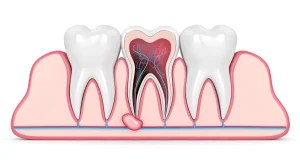
Dental granuloma – why it develops and how it is treated
A dental granuloma is an inflammation around the tooth root, usually caused by deep decay. Learn how to recognise it and how root canal treatment cures it.
