


A dental abscess is one of the more unpleasant tooth problems you can face. It is a bacterial infection that causes a build-up of pus in or around a tooth. An abscess can affect any part of the tooth and cause a wide range of symptoms, from mild pain to severe discomfort and feeling generally unwell.
The infection is usually the result of deep tooth decay, a tooth injury or previous dental treatment that was not completely successful.
- A dental abscess is a pocket of pus caused by bacterial infection, most often from deep decay or a cracked tooth.
- Typical signs are severe throbbing pain, swelling, sensitivity to hot and cold, bad taste and sometimes fever.
- An abscess will not heal on its own; it needs drainage plus root canal treatment or, as a last resort, extraction – seek care promptly.
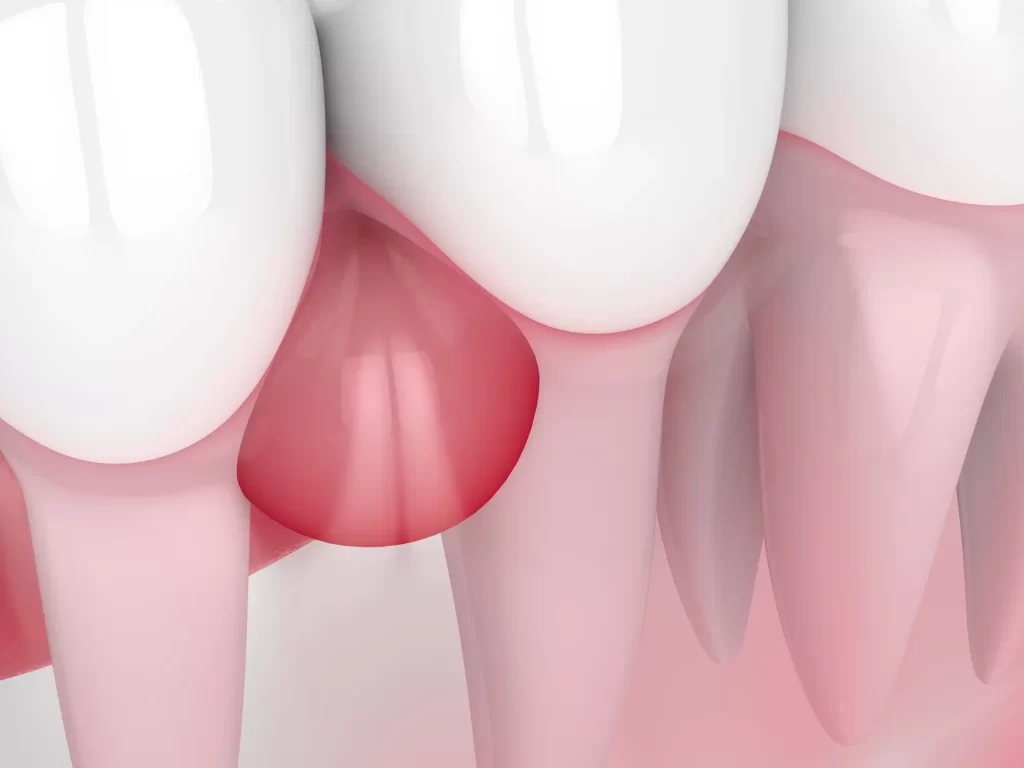
How does a dental abscess develop?
A dental abscess develops from a bacterial infection that penetrates through the enamel and dentine to the tooth pulp. This progression is often driven by poor oral hygiene, which lets plaque build up and decay form. When bacteria reach the pulp, which contains nerves and blood vessels, an inflammatory process begins that can lead to the death of the pulp tissue and the formation of an abscess. Contact a dentist at the first signs of trouble, as early treatment can prevent further complications.
Tooth anatomy and its role in abscess formation
A tooth has several layers: the enamel on the surface, the dentine beneath it, and the pulp at the centre, where the nerves and blood vessels sit. Each layer has a role in protecting the tooth from infection and damage. Deep decay or injury, however, can let bacteria breach these protective layers and reach the pulp, which can lead to inflammation and an abscess.

Types of dental abscess
There are four main types of dental abscess:
Periapical abscess: develops at the tip of the tooth root, when a bacterial infection from the pulp reaches the end of the root. Periapical abscesses are among the most common and are usually treated with root canal treatment, removing the infected pulp and cleaning the canals.
Periodontal abscess: affects the tissues around the tooth that support it, such as the periodontium and alveolar bone. It can occur with advanced periodontal disease, where deep pockets let bacteria accumulate. Treatment often involves cleaning the infected area and, in some cases, surgery to drain the pus.
Gingival abscess: limited to the gum and not involving the tooth or root. It usually occurs when a foreign body such as plaque or food causes a gum infection. Treatment involves removing the foreign body and cleaning the area.
Pericoronitis: inflammation of the tissue around a partially erupted tooth, often a wisdom tooth. Although pericoronitis is not itself an abscess, in advanced cases it can lead to one if the infection penetrates deeper into the tissues.
Each type needs a specific treatment approach and prompt action to stop the infection spreading. Seek dental help at the first signs of trouble.

Symptoms and signs of a dental abscess
Symptoms vary with the type of abscess and the severity of the infection, but the most common are:
- Pain: strong, constant pain is the most characteristic symptom. It can worsen when chewing or pressing on the tooth, may be sharp, throbbing or aching, and is often felt in the tooth, jaw, neck or ear on the affected side.
- Sensitivity to hot and cold: an abscess can increase sensitivity, causing pain with hot or cold food and drink.
- Swelling of the face or gum: the infection can cause visible swelling around the tooth, on the gum or in the face, sometimes soft and warm to the touch.
- Tenderness to touch and pressure: the area can become so tender that even gentle pressure causes pain.
- Raised temperature: the infection can cause a systemic reaction, shown as a fever.
- Bad breath or a bad taste: pus and bacterial activity can cause an unpleasant taste or bad breath.
- Difficulty opening the mouth: swelling or pain can sometimes make it hard to open the mouth.
Seek dental help at the first sign of any of these symptoms, as dental abscesses do not heal on their own and can cause serious complications if untreated.
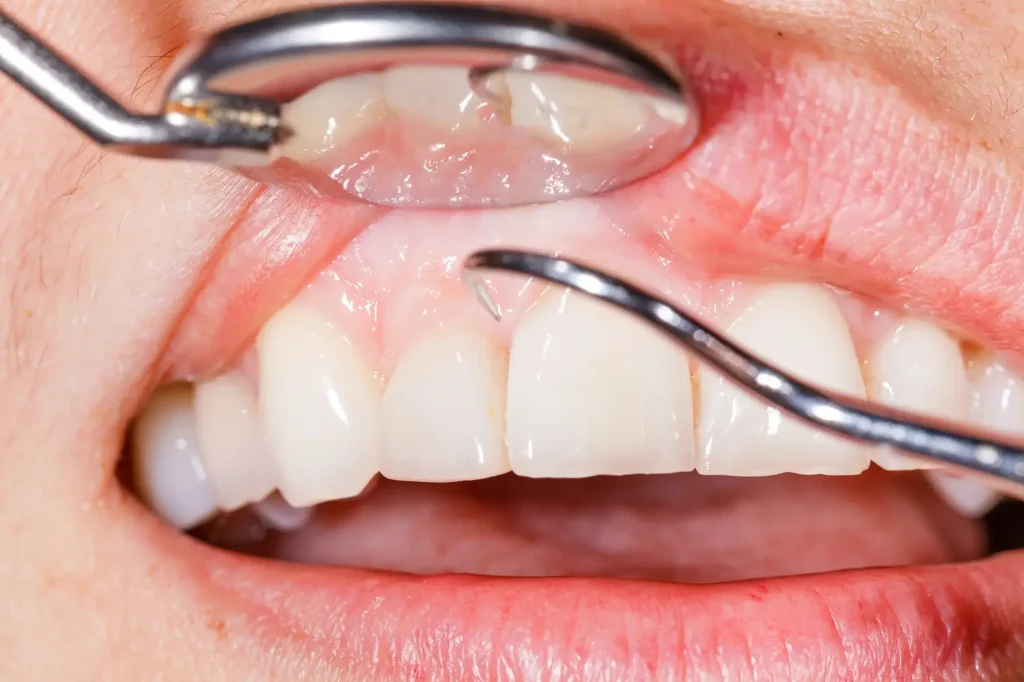
Diagnosing a dental abscess
Diagnosis usually begins with a careful dental examination, in which the dentist assesses the symptoms and checks for swelling, pain or pus. The dentist may also test the tooth’s sensitivity to touch and temperature and assess the state of your oral hygiene.
X-rays and laboratory tests
To confirm the diagnosis and gauge the extent of the infection, X-rays are often used to show the location of the abscess, any decay, root problems and the state of the surrounding bone. In some cases, laboratory tests such as a blood analysis may be needed to check inflammatory markers and for a systemic infection.
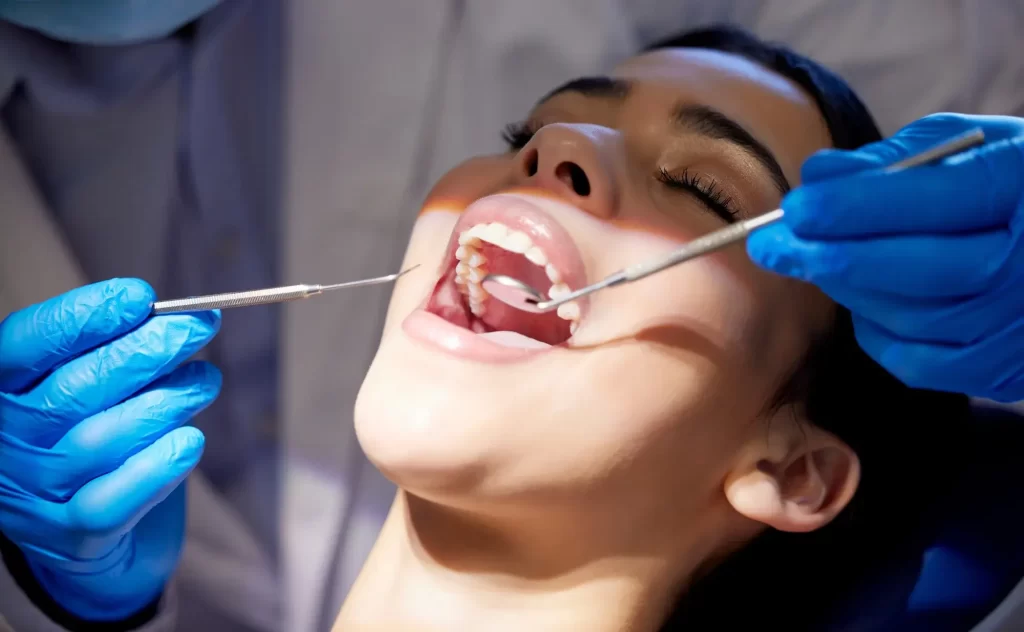
How is a dental abscess treated?
Surgical drainage of pus and cleaning
Treatment usually involves removing the cause of the infection and draining the abscess to release the pus. This can mean surgically opening and cleaning the infected area, or dental procedures such as endodontic (root canal) treatment to remove the infected pulp and prevent further infection.
The role of antibiotics and root canal treatment
Antibiotics may be prescribed to reduce or clear the infection, especially if the infection has spread beyond the tooth or is at risk of spreading. They are used alongside other treatments, such as root canal treatment, in which the infected pulp is removed and the tooth is sealed to prevent re-infection.
| Step | What happens |
|---|---|
| Diagnosis | X-ray and assessment |
| Cleaning | Infected pulp removed |
| Filling | Canal sealed |
| Restoration | Crown or filling placed |
When extraction is needed
When a tooth cannot be saved or the infection spreads, extraction may be necessary. This is considered a last resort.
How to prevent a dental abscess
The key to prevention is good oral hygiene: brushing at least twice a day with fluoride toothpaste, flossing between the teeth and using mouthwash to reduce bacteria. Regular dental check-ups help remove plaque that contributes to decay and gum disease, and allow problems to be caught and treated early.
Why treating decay and gingivitis early matters
Treating decay and gingivitis early is essential for preventing abscesses. Decay is a main entry point for the bacteria that penetrate deep into the tooth and infect the pulp, while untreated gingivitis can progress to periodontitis and lead to periodontal abscesses. Prevention combines regular professional cleaning, preventive check-ups at OrthoDental and prompt treatment of any dental problem.
Complications of an untreated dental abscess
Untreated dental abscesses can lead to serious, sometimes life-threatening complications. Bacteria from the infected area can spread into the surrounding tissues and bone, causing further destruction and possible tooth loss. The infection can also enter the bloodstream and cause sepsis, a medical emergency. If you have facial swelling with fever or difficulty breathing or swallowing, seek urgent care – see the NHS guidance on dental abscess.
A dental abscess is not just a local problem that brings pain and discomfort; left untreated it can cause serious health complications. Seek dental help at the first signs of trouble – timely, effective treatment can prevent complications, preserve teeth and protect your overall health.
Frequently asked questions
How do I know if I have a dental abscess?
Common signs are severe, throbbing tooth pain, swelling of the gum or face, sensitivity to hot and cold, a bad taste and sometimes fever. Only a dentist can confirm an abscess, usually with an examination and an X-ray, so book an appointment promptly.
Is a dental abscess an emergency?
It can be. An abscess needs prompt dental treatment, and it becomes an emergency if you have spreading facial swelling, fever, or difficulty breathing or swallowing, which can signal a serious infection needing urgent care.
Can a dental abscess heal on its own?
No. Even if the pain eases when the abscess drains, the infection remains and needs treatment such as drainage and root canal treatment, or extraction. Antibiotics alone do not remove the source of infection.
Ready for a healthy, confident smile?
Book a dental examination in Ljubljana or Kozina.


Sensitive teeth | Understanding tooth sensitivity and its causes
Tooth sensitivity can appear when eating hot or cold food. Learn the causes – from enamel erosion to receding gums – and how to relieve it.

Teeth whitening price | How much does teeth whitening cost?
How much does teeth whitening cost? See OrthoDental’s exact price list for professional teeth whitening, with transparent, no-surprise pricing.
Periodontal disease treatment price | How much does gum treatment cost?
Wondering about the cost of periodontal (gum) disease treatment? See OrthoDental’s transparent price list for scaling and root planing, laser therapy and flap surgery.
