


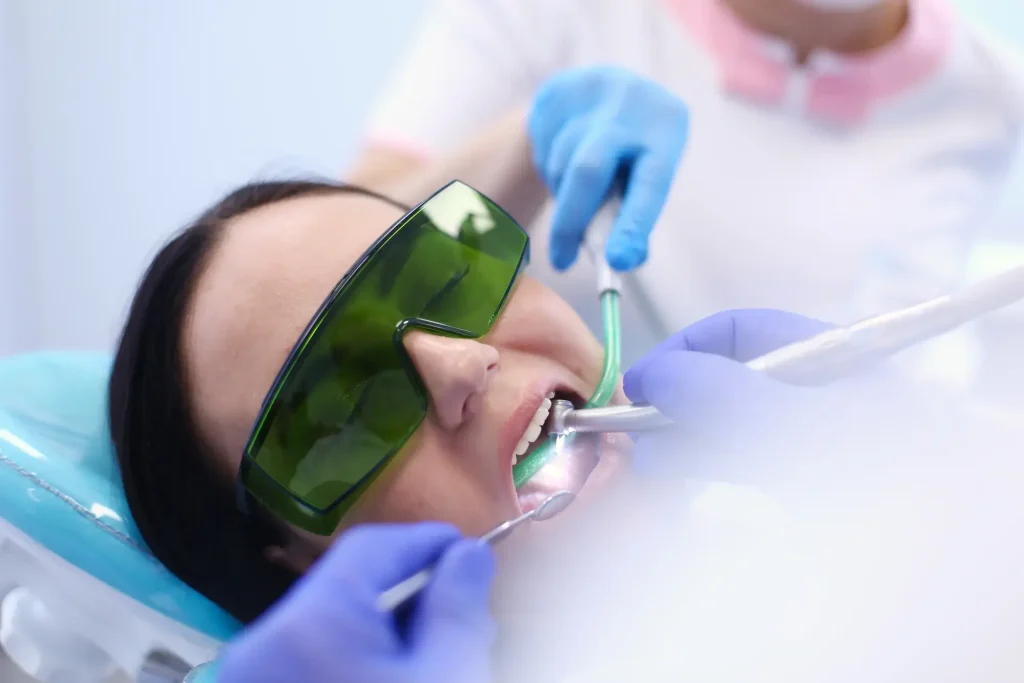
Root-end surgery explained
Apicoectomy: root-end surgery to help save a tooth
An apicoectomy, also called root-end surgery, is considered when inflammation or infection remains around the tip of a tooth root after root-canal treatment. The aim is to remove the affected tissue and seal the end of the root while preserving the natural tooth when that is clinically realistic.
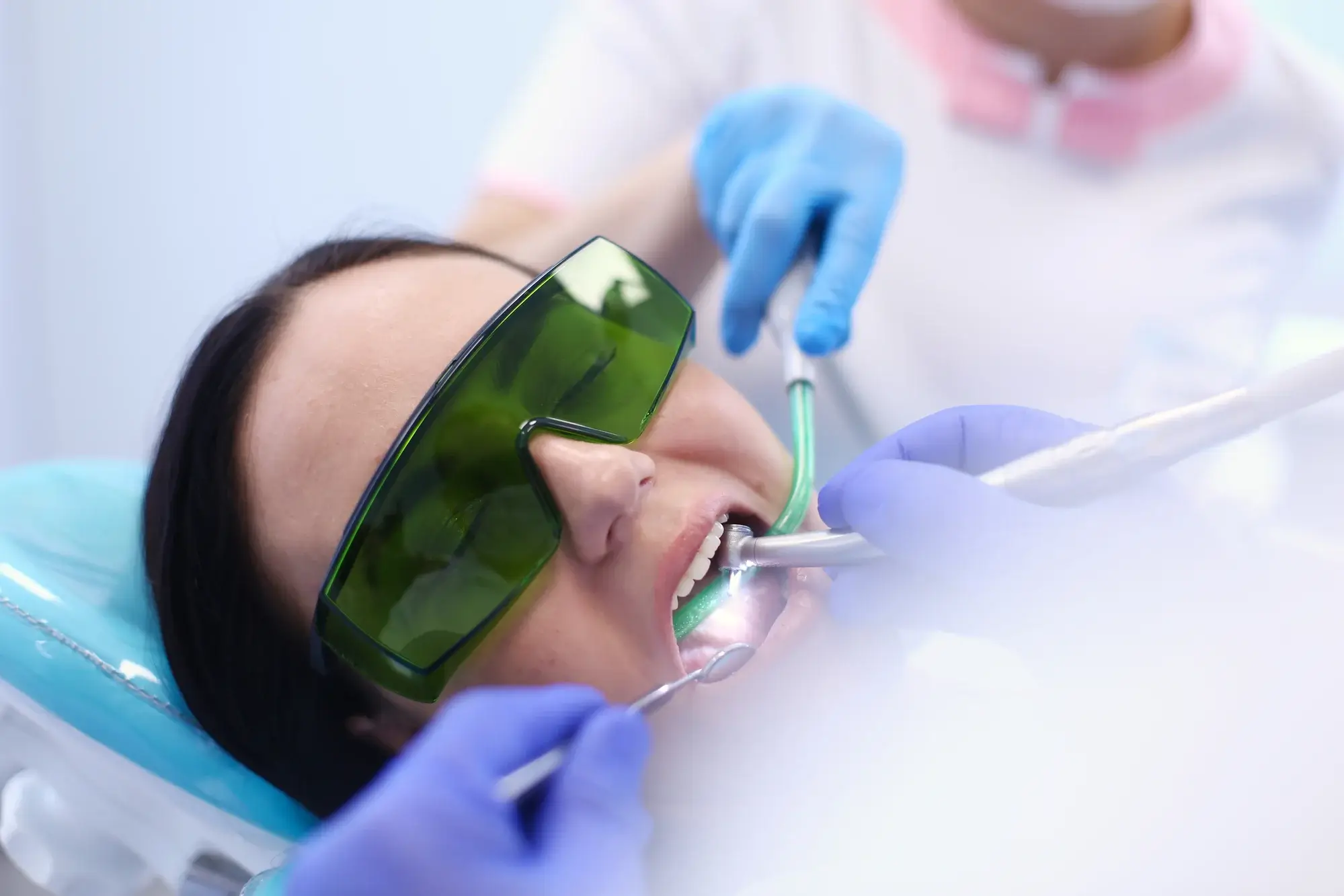
What is an apicoectomy?
Root-canal treatment cleans and seals the canal system from inside the tooth. If disease persists around the root tip and non-surgical retreatment is not suitable or has not resolved the problem, a clinician may consider a surgical approach.
During an apicoectomy, the gum is opened near the affected tooth, inflamed or infected tissue is removed, and a small part of the root tip is resected. The root end may then be sealed before the gum is repositioned and sutured. The exact technique depends on the tooth, anatomy and imaging findings.
When might it be considered?
Possible reasons include persistent symptoms or a lesion after previous root-canal treatment, anatomy that cannot be reached predictably from inside the tooth, or a problem around the root tip that requires direct assessment. A scan or X-ray alone does not determine treatment: symptoms, restorability, gum support and alternatives all matter.
The clinician first considers whether the tooth can be predictably restored and maintained. Retreatment, monitoring or extraction may be more appropriate in some situations.
What happens before and during treatment?
Your medical history, medicines and the condition of the tooth are reviewed. The surgical area is treated with local anaesthetic. After the affected root tip and surrounding tissue are managed, sutures are placed and you receive instructions tailored to the procedure.
Treatment time varies with access, tooth position and complexity. We do not promise a universal duration or outcome before the clinical assessment.
Recovery and aftercare
Mild swelling, tenderness or bruising can occur after oral surgery. Follow the written instructions you receive, take medication only as advised, keep the area clean without disturbing the wound, and avoid smoking because it can impair healing.
Contact the clinic if bleeding does not settle, swelling worsens rather than improves, you develop fever, or pain is severe or not controlled by the advised medication. Review appointments and imaging may be needed to assess healing over time.
Alternatives and cost
Alternatives can include non-surgical root-canal retreatment, monitoring in selected cases, or extraction followed by discussion of replacement options such as an implant, bridge or removable prosthesis. Each option has different benefits, limitations and timelines.
Please use the current English price list for the listed procedure fee. The final plan and total are confirmed only after examination and diagnostics.
Questions patients ask
Frequently asked questions
Is an apicoectomy painful?
Local anaesthetic is used during the procedure. Tenderness and swelling can occur afterwards; your clinician will explain appropriate pain relief and aftercare.
Can every root-treated tooth be saved this way?
No. The tooth must be assessed for restorability, cracks, gum and bone support, infection and technical feasibility. Sometimes retreatment or extraction is the safer choice.
Where does Albin perform this surgery?
Albin Tahiri works in Ljubljana only. The team will confirm whether an apicoectomy is appropriate and where the appointment should take place.
Clinical sources
This article translates and expands the Slovenian OrthoDental source article and was checked against the following patient guidance:
A page cannot diagnose you
Have the problem assessed in person
Tell us what you have noticed and we will help you choose the appropriate examination, clinician and location.


Dental bridge price | How much does a dental bridge cost?
What does a dental bridge cost? Learn how a bridge replaces missing teeth and see OrthoDental’s transparent price list, with instalment payment options.

Fear of the dentist | How to overcome dental anxiety
Discover how to effectively overcome the fear of the dentist with our proven tips and strategies.

Sensitive teeth | Understanding tooth sensitivity and its causes
Tooth sensitivity can appear when eating hot or cold food. Learn the causes – from enamel erosion to receding gums – and how to relieve it.
