


Medically reviewed by Pia Slana, dentist · Last updated: July 2026
- Hormonal changes in pregnancy raise the risk of gum inflammation (pregnancy gingivitis) and tooth decay.
- Untreated gum disease has been linked to premature birth and low birth weight, so oral care matters for both mother and baby.
- Most dental treatment is safe in pregnancy – the second trimester is usually the best time for a check-up.
- After morning sickness, rinse with water and wait 30 minutes before brushing to protect enamel.
Pregnancy is one of the most beautiful periods in a woman’s life, bringing many changes to the body and lifestyle. While the focus is often on general health and preparing for the arrival of a new family member, it is very important to pay attention to dental care during pregnancy too, as it becomes especially significant in this period. Hormonal changes during pregnancy can affect the health of the oral cavity and increase the risk of certain problems, such as pregnancy gingivitis, gum inflammation and tooth decay. That is why it is crucial for expectant mothers to give extra attention to their oral cavity and protect both their own health and the health of their unborn child.
The importance of oral health during pregnancy
Oral health during pregnancy plays a key role in ensuring good overall health for both the mother-to-be and her unborn child. Pregnancy can significantly affect the health of the teeth and gums because of changes in hormone balance, which can increase the sensitivity of the gums to plaque and lead to inflammation. If left untreated, these conditions can progress to more serious forms of periodontal disease and can even cause premature birth or low birth weight. Being aware of these risks and caring properly for oral hygiene are essential to protect the health of both mother and baby. The NHS confirms that pregnancy hormones can make gums more likely to become swollen and bleed, so extra care is worthwhile.
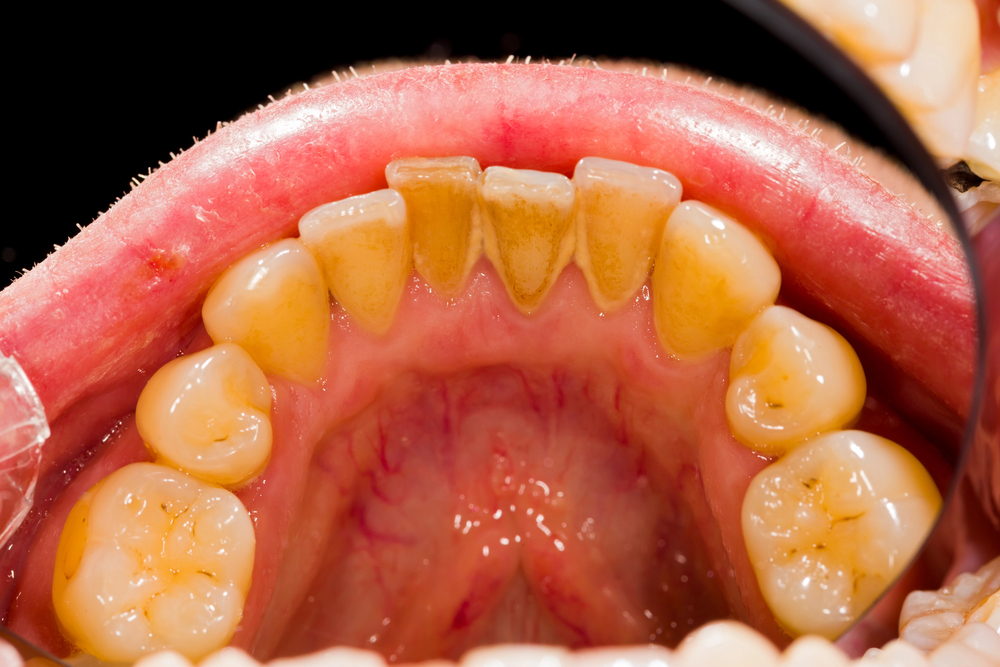
Sore gums during pregnancy
Sore gums are a common problem during pregnancy, caused by hormonal changes and made worse by inadequate oral hygiene and the build-up of plaque. This condition, known as pregnancy gingivitis, shows up as red, swollen and bleeding gums. Early recognition and treatment can prevent further complications and contribute to the health of the whole mouth.
Preventing and treating gingivitis
Timely prevention and treatment of gingivitis during pregnancy is key to maintaining oral health. Regular brushing with a soft toothbrush, using dental floss and visiting the dentist for professional cleaning can significantly reduce the risk of gingivitis. If inflammation is already present, it is important for expectant mothers to consult a dentist for appropriate treatment.
| Stage | Signs | Action |
|---|---|---|
| Gingivitis | Red, bleeding gums | Better hygiene & cleaning |
| Early periodontitis | Gum pockets form | Professional treatment |
| Advanced | Bone loss | Specialist care |
Tooth decay during pregnancy
Pregnancy increases the risk of tooth decay because of a combination of hormonal changes, altered eating habits and a possible reduction in oral-hygiene care. Increased consumption of food rich in carbohydrates and sugars can further add to the risk of developing cavities. Regular brushing, flossing and the use of fluoride products, along with limiting sugars in the diet, are key steps in preventing decay during this period and can protect the teeth and gums.
Tips for preventing and managing tooth decay
To prevent tooth decay during pregnancy, it is important to maintain a consistent and thorough oral-hygiene routine. It is also advisable to limit the intake of sugars and acidic foods and to visit the dentist regularly for preventive check-ups and cleaning. At OrthoDental we also offer a so-called hygiene package, where we remove plaque and teach you how to care for your teeth and gums properly.
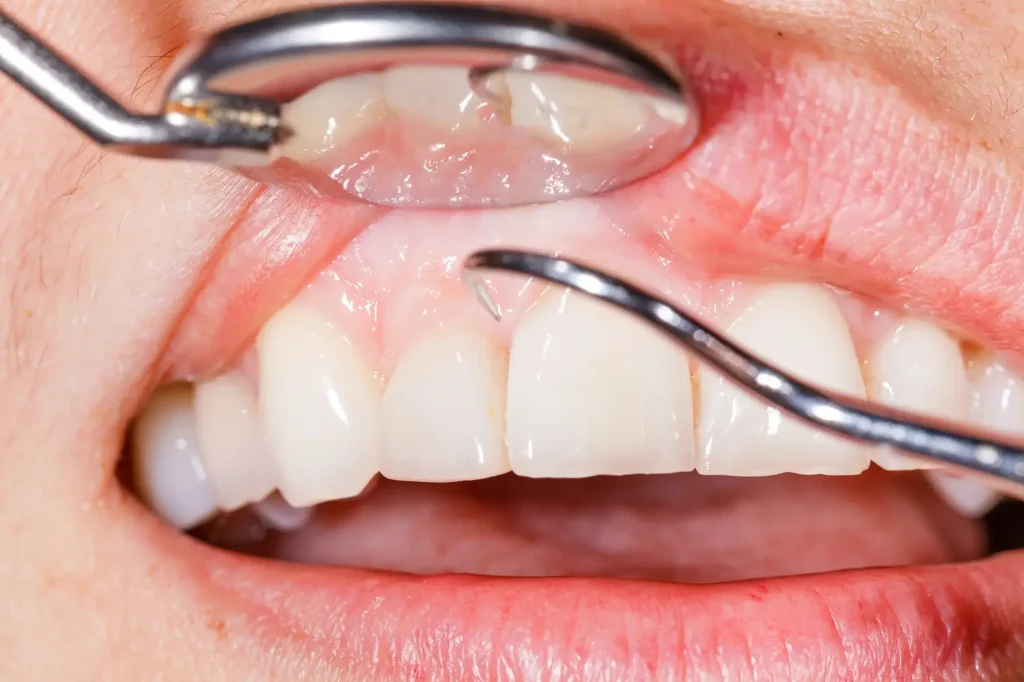
The influence of diet on oral health
Diet plays an important role in maintaining oral health during pregnancy. Eating a balanced diet rich in nutrients such as calcium, phosphorus and vitamins A, C and D can help strengthen tooth enamel and support gum health. Avoiding excessive consumption of sugars and acidic foods can reduce the risk of tooth decay and enamel erosion.
Morning sickness and tooth enamel
Morning sickness, a common occurrence in the early stages of pregnancy, can unexpectedly affect the health of the teeth. Stomach acid that reaches the mouth during vomiting is extremely harmful to tooth enamel. Prolonged exposure to this acid can cause enamel erosion, which increases the risk of tooth sensitivity and decay, so it is especially important for expectant mothers to pay extra attention to protecting their teeth during this period.
The effects of stomach acid on the teeth
Stomach acid strongly affects tooth enamel, which can lead to its erosion and consequently to greater tooth sensitivity and a higher risk of tooth decay. Enamel erosion can also affect the aesthetics of the teeth in the long term, as they become more translucent and lose their natural shine.
Oral-care recommendations after vomiting
After an episode of morning sickness, it is advisable not to brush the teeth immediately after vomiting, as this can cause additional rubbing of acid across the teeth and speed up enamel erosion. Instead, rinse the mouth with water or a baking-soda solution to neutralise the acid, and wait at least 30 minutes before brushing. This will help protect tooth enamel and reduce the negative effects of the acid.
Wondering how to overcome your fear of the dentist? Read more in our guide to overcoming fear of the dentist.
Caring for your teeth during pregnancy
Caring for the teeth during pregnancy requires special attention, as hormonal changes and altered eating habits can increase the risk of dental problems. Regular dental visits are essential for monitoring oral health and dealing with any problems in good time. Questions about the safety of dental procedures and X-rays are a common concern for pregnant women, but the dentists at OrthoDental use all necessary precautions to ensure safety for both mother and unborn child.
The importance of regular dental visits
Pregnant women should visit the dentist for a check-up and cleaning at least once during pregnancy, ideally in the second trimester, when the risk of morning sickness is lower and lying back is still comfortable.
The safety of dental procedures and X-rays
Most dental procedures, including urgent treatment and preventive cleaning, are safe during pregnancy. Dentists will use protective measures, such as a lead apron, when an X-ray is needed, to protect the baby. However, it is important to tell your dentist about your pregnancy, as this will influence decisions about treatment and the use of local anaesthetics.
Complete daily oral hygiene
Thorough oral hygiene is essential for preventing dental problems during pregnancy. This includes brushing the teeth at least twice a day with fluoride toothpaste, flossing once a day to remove plaque between the teeth, and using interdental brushes or an oral irrigator to clean hard-to-reach areas.
Techniques and tools for effective brushing
For effective brushing, use a soft toothbrush twice a day and gentle, circular movements so as not to damage the gums. Avoid horizontal scrubbing, as this can cause gum erosion and tooth sensitivity. Electric toothbrushes with a timer can help ensure cleaning that is long and effective enough.
Using floss and interdental brushes
Regular flossing removes plaque and food debris between the teeth, where the brush cannot reach. Interdental brushes are also useful for cleaning larger gaps between teeth and around implants or bridges. Correct use of these tools is key to preventing gingivitis, tooth decay and other problems with the teeth and gums during pregnancy.
Maintaining oral health during pregnancy is not just a matter of a beautiful smile; it is essential for the overall well-being of the mother-to-be and the healthy development of her child. Proper dental care, regular dental visits and a balanced diet are key steps to ensuring that pregnancy passes without unnecessary problems with the teeth and gums.
Remember that your oral health during pregnancy matters both for you and for your future child. By committing to good dental hygiene and expert dental supervision, every mother-to-be can build the foundations for the long-term health and happiness of her family.
Frequently asked questions
Is it safe to go to the dentist during pregnancy?
Yes. Most dental procedures, including urgent treatment and preventive cleaning, are safe during pregnancy. Always tell your dentist you are pregnant so they can adapt treatment and the use of local anaesthetics.
When is the best time for a dental check-up during pregnancy?
Ideally the second trimester, when the risk of morning sickness is lower and lying back in the chair is still comfortable.
Are dental X-rays safe during pregnancy?
When an X-ray is genuinely needed, the dentist uses protective measures such as a lead apron to shield the baby. Let your dentist know you are pregnant beforehand.
Should I brush my teeth straight after morning sickness?
No. Rinse your mouth with water or a baking-soda solution and wait at least 30 minutes before brushing, so you do not rub stomach acid across softened enamel.
Related reading
- Oral hygiene: everyday basics
- Flossing: why and how
- Fluoride and toothpaste
- Periodontitis: causes and treatment
Ready for a healthy, confident smile?
Book a dental examination in Ljubljana or Kozina.

Dental check-up price | How much does a dental examination cost?
Looking for dental check-up prices? See OrthoDental’s clear, transparent price list for examinations – you know the cost in advance, with no hidden surprises.
Impacted wisdom teeth | When and why they need to be removed
If you have ever wondered why almost every child visits an orthodontist at least once, or spent sleepless nights while your wisdom teeth were coming through, the explanation is millions of years old.
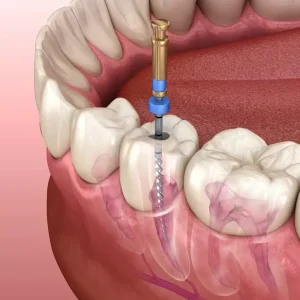
Root canal price | How much does endodontic treatment cost?
How much does root canal (endodontic) treatment cost? See OrthoDental’s transparent price list – from €150 per canal – with instalment payment options.
