



Medically reviewed by Gordana Čižmek, dr. dent. med., spec. · Last updated: July 2026
- The first orthodontic check-up is usually best around the age of 6, at the start of the mixed-dentition phase.
- A first examination is an assessment of development, not the start of braces; often only monitoring is advised.
- See an orthodontist sooner for a crossbite, a jaw shift when biting, crowding, thumb sucking or mouth breathing, or early loss of baby teeth.
- Early care can guide jaw growth and create space for permanent teeth to erupt.
Many parents associate the first orthodontic visit with the age when a child already has most of their permanent teeth. That thinking is understandable, but it often means the first check-up happens later than would be ideal. An orthodontist does not only assess the position of individual teeth – they also evaluate the development of the bite, the growth of the jaws, the relationship between the upper and lower jaw, and the space available for permanent teeth to come through.
The right time for a first orthodontic examination is usually around the age of 6. This is when the mixed-dentition phase begins, with baby and permanent teeth present in the mouth at the same time. It is precisely at this stage that an orthodontist can judge well whether development is progressing harmoniously or whether deviations are already appearing that are worth monitoring or treating early.
A first examination does not mean the start of treatment. In many cases it mainly means a professional assessment of development and a plan for further monitoring. When care begins in good time, it is possible to influence growth, create better conditions for permanent teeth to erupt, and reduce the likelihood of problems escalating over the following years.
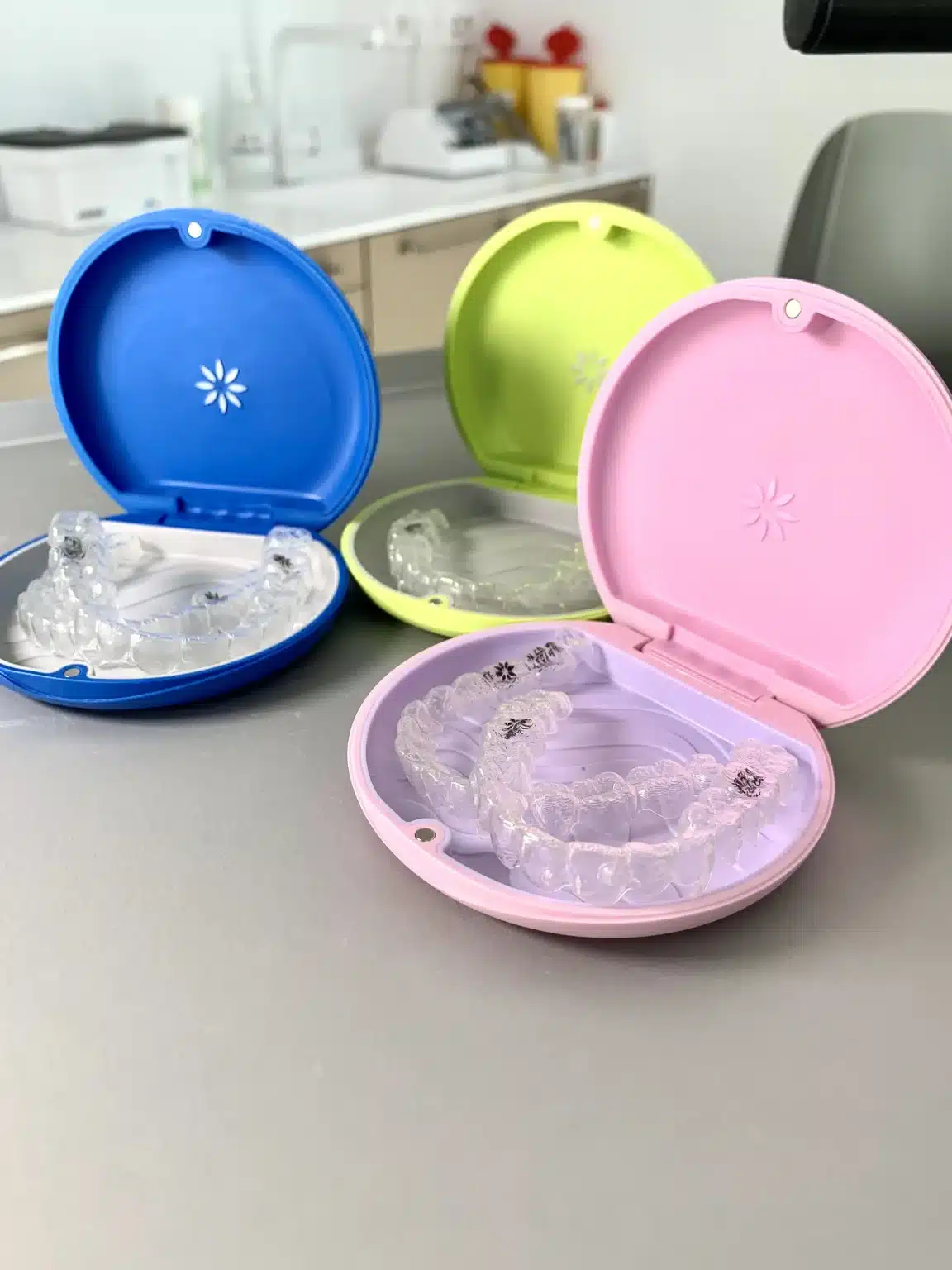
Around age 6 – the best time for a first check-up
Around the age of 6, the first permanent molars and the lower or upper incisors begin to erupt. This is an important developmental milestone. The bite starts to change, the jaws grow, and the position of the tongue and the way the child swallows and breathes already clearly influence the further development of the dental arches.
During this period an orthodontist can assess several important things more easily. They can see whether there is enough space for the permanent teeth, whether the upper and lower jaw are developing in harmony, whether the child shifts the lower jaw to one side when biting, and whether there is crowding that could become more pronounced later. Such an assessment cannot be made reliably only once all the changes are complete.
An early examination is therefore not about rushing. It is about recognising the developmental pattern in time. When growth is favourable and the bite is well aligned, parents get a reassuring confirmation that treatment is not needed for now. When deviations are present, the child is not left in years of waiting without supervision. UK health guidance from the NHS on orthodontics likewise notes that orthodontic assessment and treatment are usually considered while a child is still growing.
A first examination does not mean treatment
When referred to an orthodontist, many parents first think of braces. In practice, the first examination most often means something else: a careful assessment of the development of the teeth, bite and jaws. The orthodontist is not only looking for visible irregularities but also checks whether the child is growing in a direction that will later allow a correct bite and enough space for the permanent teeth.
For many children the outcome of the first examination is very simple. Treatment is not yet necessary, but monitoring at certain intervals makes sense. This is not procrastination but a considered decision. The orthodontist assesses whether the teeth and jaws are developing harmoniously and sets the point at which development can be reliably checked again.
When early intervention is needed, the reason is usually clear. There is an irregularity that may strengthen with growth, or the child is precisely at the stage when development can be guided more easily than later. So the first examination is not a question of braces but a question of the right timing.
Signs a child needs an examination sooner
Although the first orthodontic examination makes most sense around age 6, for some children it is good to come earlier. These are usually signs that parents notice at home, and sometimes the child’s dentist is the first to recognise them.
An incorrect bite or a noticeable jaw shift
If a child shifts the lower jaw to the side when closing the mouth, if the upper and lower teeth do not meet naturally, or if the bite looks asymmetrical, an examination is sensible without delay. Such signs often indicate that the jaws are not developing in full harmony.
A crossbite is particularly important. In a crossbite the upper teeth do not overlap the lower ones in the usual way; the relationship is reversed. If such a bite lasts for a long time, the lower jaw can start to adapt to an incorrect position. This affects the function of the bite and can over time also affect facial symmetry.
Too little space for permanent teeth
In some children it is already clear early on that the teeth are erupting too close together, overlapping, or coming through outside the arch. This is often a sign that there is not enough room in the jaw for all the permanent teeth.
Such crowding does not usually appear overnight. It begins gradually and can be barely noticeable at first. That is exactly why an early assessment is valuable. The orthodontist can monitor development and judge in good time whether an intervention will later be needed or whether observation will be enough.
Habits that affect bite development
Thumb sucking, prolonged use of a dummy, pushing the tongue between the teeth and mouth breathing are not just childhood habits. If they last too long, they can change the shape of the dental arches, the position of the front teeth and the way the mouth closes.
In such children the orthodontist assesses not only the teeth but also the pattern causing the changes. This matters because with an open bite, a narrow upper jaw or an increased gap between the front teeth, it is often not only the consequence that is treated but also the cause.
Unusual replacement of baby teeth
The timing of baby-tooth replacement also says a lot. If a baby tooth falls out too early, neighbouring teeth can start to drift into the empty space. This reduces the room for the permanent tooth that is still coming. These changes are often not obvious at first but can later cause considerably greater space problems.
A careful orthodontic assessment also makes sense when teeth are replaced markedly late or in an unusual order. Such development is not always a problem, but it is important enough to be worth checking professionally.

What happens if you wait too long for an examination
If a child only comes for a first orthodontic examination several years after teeth begin to be replaced, some irregularities may already have developed considerably in the meantime. This does not mean successful treatment is no longer possible. But it does mean certain options for guiding development early are already reduced.
For some children this means greater crowding, a more pronounced jaw shift when biting, or more demanding planning of space for the permanent teeth. The problem may still be solvable, but often less simply than during the period when growth still allows more adjustment.
A timely orthodontic assessment is therefore above all a way to ensure the child is not left without professional supervision during an important developmental period.
How to prepare a child for the first visit
It is best to come to the examination without tension. There is no need to explain complicated details to the child or to scare them with talk of braces. It is enough for them to know that the orthodontist will look at how the teeth are growing and how they bite.
It also helps if parents choose an appointment when the child is not tired or hungry. They cooperate more easily then, and the first visit usually goes very calmly. Because the examination is generally painless and does not involve demanding procedures, most children experience it without any trouble.
Options for early orthodontic treatment at OrthoDental
At OrthoDental we can start orthodontic treatment even during the mixed-dentition phase, that is, before all the permanent teeth have come through.
Invisalign First for children aged 6 to 10
For children where it makes sense to act early, we also use Invisalign First, a system of clear removable aligners for children between the ages of 6 and 10. This treatment lets us create space for permanent teeth in good time, guide the growth of the jaws and correct early bite irregularities before they develop more markedly.
Book a free examination for your child
Frequently asked questions
Does a child get braces at the first examination?
No. The first examination is intended to assess the development of the teeth, bite and jaws. For many children the orthodontist recommends only monitoring and a follow-up in a few months or a year.
When is the best time for a first orthodontic examination?
Most often around the age of 6, when the mixed-dentition phase begins and the development of the bite can be assessed well.
Is an examination worthwhile even if the teeth look straight?
Yes. Even seemingly straight teeth can hide irregularities in the bite, jaw growth or a lack of space for permanent teeth.
What if the child does not yet have all their permanent teeth?
That is not a problem. The very time when both baby and permanent teeth are present is often the most suitable for a first orthodontic examination.
Is the first examination painful?
No. The first examination is generally short, calm and undemanding for the child. The orthodontist checks the bite, the position of the teeth and the development of the jaws.
When does it make sense to come earlier than age 6?
It is good to come earlier if the child breathes through the mouth, has a crossbite or open bite, markedly protruding front teeth, a noticeable jaw shift or early loss of baby teeth.
Related reading
Ready for a healthy, confident smile?
Book an Invisalign consultation at one of five OrthoDental locations in Slovenia.

Invisalign First for children | Early orthodontic treatment from age 6
Invisalign First is a clear brace for children aged 6 to 10 that gently guides jaw growth, creates space for permanent teeth and provides comfortable, discreet orthodontic treatment.

Bad breath (halitosis) | Causes, how to check and treatment
Bad breath can appear due to various factors such as bacteria, dry mouth, diet and health problems. Read more about the possible solutions for bad breath.

Dental crowns | Everything you need to know
What are dental crowns, which materials are available, and how much do they cost? Monolithic zirconia crowns from €500 and layered ceramic crowns from €650 at OrthoDental.
