


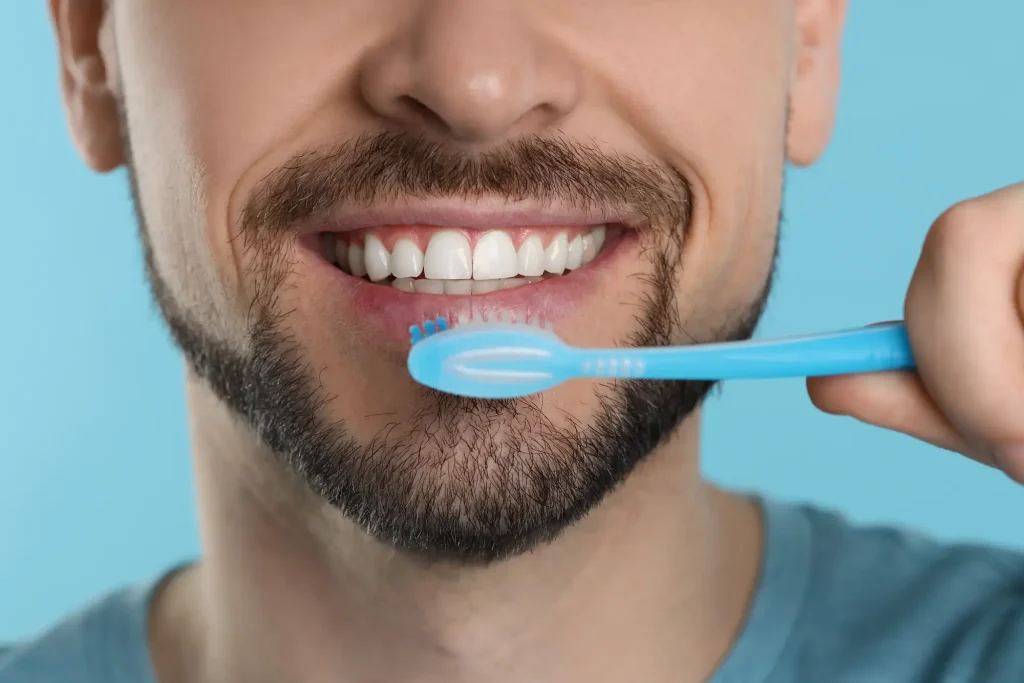
Small technique changes matter
Common tooth-brushing mistakes and how to correct them
Brushing twice a day is important, but pressure, duration and which surfaces you reach determine how effective it is. The best routine is gentle, consistent and adapted to your gums, restorations, appliances and individual risk.
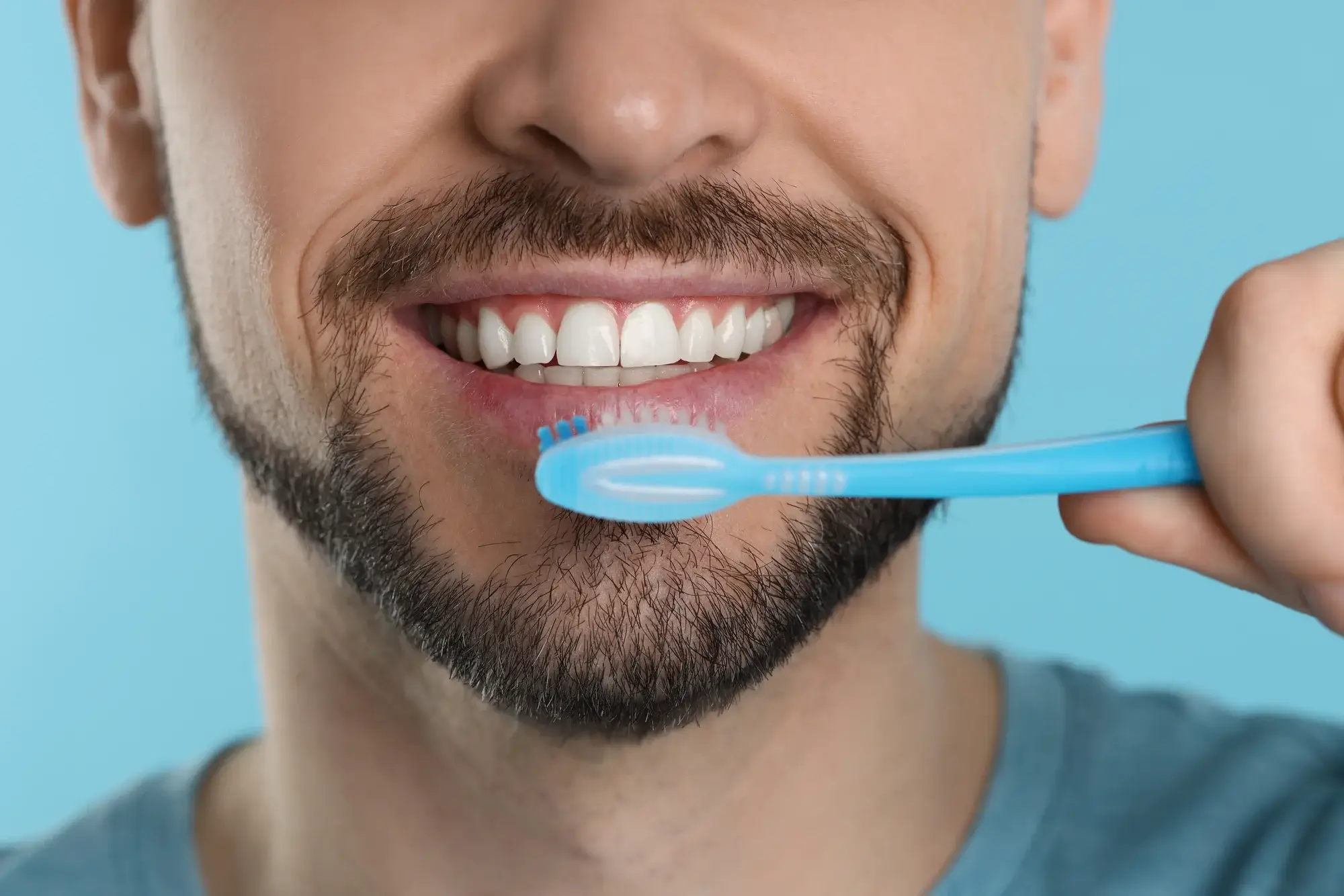
Mistake 1: brushing too hard
Hard scrubbing does not make teeth cleaner and can irritate gums or contribute to wear, especially when combined with an abrasive toothpaste. Use a soft-bristled brush and small controlled movements. If bristles quickly splay, reduce pressure.
Mistake 2: rushing or following the same path
A short, automatic routine tends to miss the inside surfaces, back molars and gumline. Divide the mouth into sections and spend enough time on the outer, inner and chewing surfaces. A timer or powered brush can help with consistency.
Mistake 3: treating brushing as the whole routine
Plaque also accumulates between teeth and around implants, bridges, retainers and aligner attachments. Floss, interdental brushes or another aid may be appropriate. The correct size and technique should be demonstrated for your mouth.
Mistake 4: an old or unsuitable brush
Replace a toothbrush or brush head when bristles are worn or approximately every three to four months. A small head can make back teeth easier to reach. Manual and powered brushes can both work well when used correctly.
Mistake 5: ignoring bleeding gums
Bleeding can be a sign of gum inflammation and should not lead to abandoning cleaning. Continue gently and arrange an assessment if bleeding persists, if there is swelling or bad breath, or if you notice gum recession or tooth mobility.
Questions patients ask
Frequently asked questions
Is an electric toothbrush always better?
Not automatically. Manual and powered brushes can both be effective. The best choice is one you can use gently and consistently to reach all surfaces.
Should I rinse immediately after brushing?
Spit out excess toothpaste and follow your dentist’s advice; vigorously rinsing straight away can reduce the fluoride left on the teeth.
Why do my gums bleed when I brush?
Plaque-related inflammation is common, but other causes exist. Persistent bleeding needs a dental assessment and personalised cleaning advice.
Clinical sources
This article translates and expands the Slovenian OrthoDental source article and was checked against the following patient guidance:
A page cannot diagnose you
Have the problem assessed in person
Tell us what you have noticed and we will help you choose the appropriate examination, clinician and location.


Ceramic implants
Thinking about replacing a missing tooth? Discover the pros and cons of dental bridges and implants in our blog. Our guide will help you make an informed decision for optimal oral health.

TMJ syndrome | Jaw joint pain: causes, symptoms and treatment
Learn all about temporomandibular joint (TMJ) syndrome, from the role of psychological factors to the treatment options that can improve your quality of life.

Invisalign vs other clear aligners: Spark, Angel and Shine compared
A clinically reviewed comparison of Invisalign, Spark, ClearCorrect, Shine, Angel Aligner and mail-order aligners—and why planning matters more than plastic.
