


Medically reviewed by Gordana Čižmek, dr. dent. med., spec. · Last updated: July 2026
- For a knocked-out permanent tooth, hold it by the crown, try to reposition it, and see a dentist within one hour.
- If you cannot reposition it, store the tooth in milk or saliva – never plain water.
- Never try to reinsert a knocked-out baby tooth, as this can harm the permanent tooth developing beneath it.
- A custom mouthguard, helmet and seatbelt greatly reduce the risk of dental trauma.
Tooth injuries, such as a chipped tooth or a broken tooth, are a common and often unexpected event in everyday life. From sports accidents to accidents at home, a tooth can be exposed to various types of trauma that can cause it to crack, break or even suffer a fractured crown. Fast and correct action in these critical moments is decisive for the long-term success of treatment.
How common are tooth injuries?
According to various studies, it is estimated that tooth injuries occur in around 20–30% of people at least once in their lifetime. Children and adolescents are especially susceptible, as the rate of traumatic tooth injuries is even higher among them. Even so, tooth injuries occur in people of all ages, so it is worth becoming familiar with the correct response.
The main causes of a broken tooth
A broken tooth and dental injuries can result from many situations. Among the most common causes are sports accidents, where there are direct blows to the face or sudden falls. Dental problems, such as tooth decay or previous dental procedures, can also weaken a tooth and increase its susceptibility to injury.
Different types of tooth injuries
Tooth injuries are varied and differ according to the structure that is affected, as well as the severity of the injury. Injuries can occur to the tissues around the tooth or to the tooth itself, for example a knocked-out tooth, a broken tooth or a loosened tooth. An excellent solution for a damaged tooth is dental veneers, which correct aesthetic irregularities and restore the function of the tooth.
How to act in the case of a knocked-out tooth
When a tooth unexpectedly comes out of its place, immediate action is key to the possibility of reimplanting it. It is advisable to follow these guidelines:
Stay calm: Despite the shock and panic that a tooth injury can cause, it is important to stay calm and composed, as this will allow you to act quickly and effectively.
Find the tooth: When you find the knocked-out tooth, hold it by the crown (the part of the tooth normally visible in the mouth) and not by the root, so as not to damage the sensitive cells needed for reimplantation.
Gently clean the tooth: If the tooth is dirty, rinse it gently under cool running water. Do not scrub it or use soap. It is important to remove the dirt without damaging the root.
Try to put the tooth back in place: If possible, gently push the tooth back into its socket (the hole it came out of). Make sure the tooth is facing the right way.
Hold the tooth in place: Use gauze or a clean tissue to hold the tooth in place in the gum.
If you cannot put the tooth back: If the knocked-out tooth does not fit or you are afraid of damaging it, store it in milk, saliva or a special tooth-preservation solution available at some pharmacies. Water is not the best choice, as it can damage the root cells.
Seek dental help: Go immediately to a dentist or an emergency dental service. Time is key in reimplanting a tooth, and ideally this should happen within one hour of the injury.
Painkillers: If you are experiencing pain or swelling, you can take painkillers. Avoid aspirin, as it can cause bleeding.
This advice is in line with the NHS, which recommends trying to reinsert an adult tooth and, if that is not possible, keeping it in milk until you can reach a dentist.
| Habit | How often | Benefit |
|---|---|---|
| Brushing | Twice a day | Prevents decay |
| Flossing | Daily | Healthy gums |
| Dental check-up | Every 6 months | Early detection |
Complete loss of a tooth
This is a traumatic event that can occur because of a blow to the face, an accident or other sudden forces. A knocked-out tooth is not hard to recognise. In the place where it was, there is a visible hole. Bleeding often also occurs. The person may feel pain or a sensation of discomfort in that area.
First aid and steps to preserve a knocked-out tooth
Immediately after a tooth is knocked out, it is important to avoid touching the root of the tooth. If the tooth is dirty, gently clean it with cool water, without scrubbing it or using any other cleaning agent. If possible, gently return the tooth to its place; otherwise store it in a suitable medium, such as milk, saliva or a special tooth-preservation solution.
Follow-up care and dental help
It is essential to seek dental help, ideally within one hour of the injury. Your dentist will examine the knocked-out tooth, assess its condition and present you with the best treatment options. In some cases, surgical reimplantation of the tooth, external fixation or other procedures may be needed to ensure the stability of the tooth if it is broken. To prevent infection or inflammation, the dentist may prescribe antibiotics or other medication.
Injuries to baby teeth
Although baby teeth are temporary, an injury to them can be worrying and requires special attention. Baby teeth differ from permanent teeth both in their structure and in their position in the jaw. Because of their temporary nature, baby teeth can be injured differently from permanent teeth. With injuries to baby teeth, the main concern is preventing damage to the developing permanent teeth beneath them. In addition, the treatment and approach for injuries to baby teeth can differ from those for permanent teeth.
How to act when a baby tooth is injured
When a baby tooth is injured, it is important for parents or carers to stay calm and provide appropriate care. First, check that the child is safe and has no other injuries. Then gently rinse the mouth with cool water and use clean gauze or a tissue to gently press on the area and stop any bleeding. If the tooth is knocked out completely, it is advisable to keep it, but do not put it back, as baby teeth are not reinserted into the socket, since this can damage the developing permanent tooth. Seek help as soon as possible, as the dentist will be able to assess the situation and advise on the next steps.
A loosened or displaced tooth
After a blow or trauma, one of the common complications is the loosening or displacement of a tooth from its natural position. Such injuries are not only painful but can also threaten the health and function of the tooth and cause long-lasting problems if not handled correctly.
How to recognise and act on a loosened tooth
You can recognise it by gently pressing on it with a finger or gently moving it back and forth. Pain, discomfort or movement of the tooth are clear signs that a tooth is loose. If you suspect a tooth injury, it is essential not to try to put the tooth back in place yourself or to use force that could make the injury worse.
Even if the injury seems mild or the pain is not intense, it is important for a dentist to assess the tooth and surrounding tissue. With the help of X-rays, the dentist can determine the extent of the injury, check whether the tooth roots are damaged and suggest appropriate treatment. In some cases, it may be necessary to fix the tooth using the neighbouring teeth to ensure proper healing.
Fracture, break or chip of the tooth crown
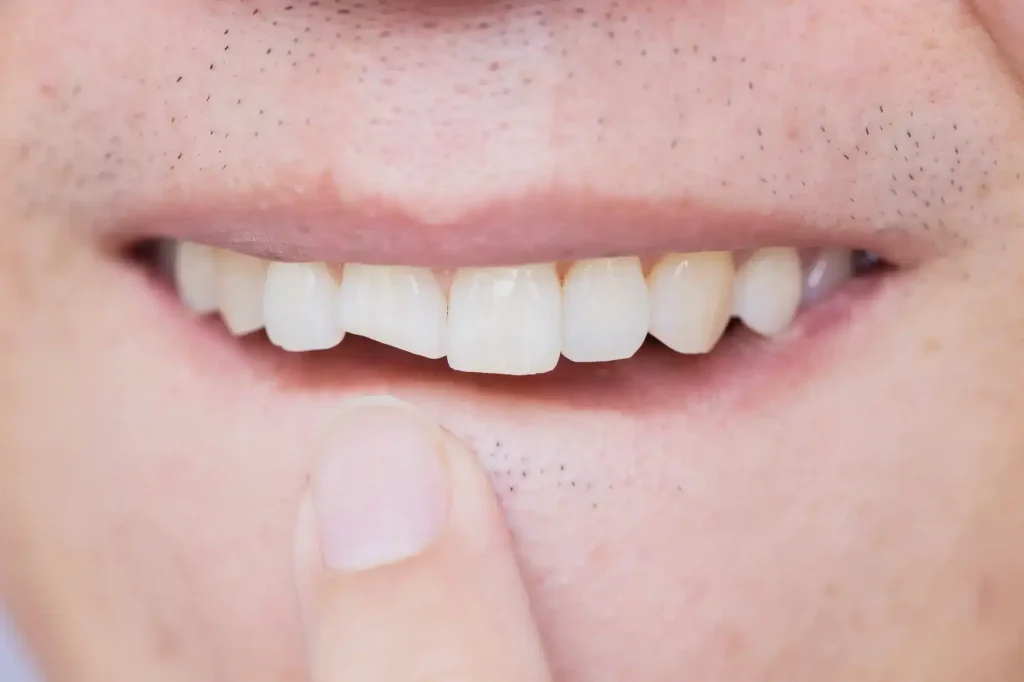
Fractures, breaks and chips of the tooth crown are among the most common dental injuries, which can be caused by accidents, blows, chewing hard food or even tooth wear. These injuries can differ in extent and severity, but in all cases they require an expert approach. We can repair them by building up the tooth.
A broken tooth usually means that a larger part of the tooth has broken off, which can range from the visible surface to a part that includes the root. A chipped tooth refers to small pieces of tooth structure that have come away, usually without damage to the root. A fractured tooth, on the other hand, may be a crack or fracture of the tooth structure that can extend through the depth of the tooth, may involve the root and in some cases may not be immediately visible.
How to act correctly if you have a broken tooth
A broken-off tooth should be stored in the same way as described, even if it is only part of the tooth. Make sure a dentist examines you as soon as possible, and store the broken-off part in milk, saliva or a specialised liquid available at pharmacies.
Preventing tooth injuries
Using a mouthguard
A mouthguard is an indispensable piece of equipment for anyone who takes part in contact sports such as football, hockey, boxing or martial arts. This custom-fitted device helps cushion blows that can lead to injuries, fractures or knocked-out teeth.
Road safety
Road accidents are one of the common causes of serious tooth injuries. Wearing a helmet when cycling or riding a motorcycle is essential. In a car, the seatbelt is key and can prevent a person in the vehicle from hitting their head on the dashboard or the seat in front of them in a collision.
Be careful with small children
Small children are often curious and impulsive, which increases the risk of falls and knocks. To reduce the risk of tooth injuries, it is advisable to ensure a safe environment at home.
Statistics and facts about tooth injuries
The younger population, especially children and adolescents, is often the most exposed to tooth injuries because of their natural curiosity, energy and sometimes inexperience. In childhood and adolescence, common causes of tooth injuries are falls during play, sports injuries and accidents on playgrounds. Older adults, on the other hand, are more exposed to injuries because of falls at home, reduced mobility or balance.
Tooth injuries can affect anyone, regardless of age or lifestyle. Even though a great deal of information and advice on how to respond to an injury is available, an immediate visit to a professional is essential.
At the OrthoDental dental practice, we understand the importance of a fast and effective response to a tooth injury, so we are available to you for emergencies. We use state-of-the-art technology and methods to ensure excellent results.
Frequently asked questions
What should I do if a tooth is knocked out?
Hold it by the crown, not the root, rinse gently if dirty and try to put it back in the socket. If you cannot, store it in milk or saliva and see a dentist within one hour.
Can a knocked-out baby tooth be put back?
No. Baby teeth are not reinserted, as this can damage the developing permanent tooth underneath. Keep the child calm, control any bleeding and see a dentist.
How quickly do I need to see a dentist after a tooth injury?
As soon as possible. For a knocked-out permanent tooth, reimplantation is most successful within one hour, but even mild injuries should be assessed promptly.
How can I prevent tooth injuries?
Wear a custom-fitted mouthguard for contact sports, use a helmet and seatbelt, and keep the home environment safe for small children.
Related reading
- Tooth bonding and build-ups
- Tooth extraction: what to expect
- Endodontics and root canal treatment
- Toothache: causes and relief
Book an examination at OrthoDental
Ready for a healthy, confident smile?
Book a check-up at OrthoDental — expert care across 5 clinics in Slovenia, with no waiting list.


Dental bridge or dental implant – Which to choose?
Most people face tooth loss at some point in their lives, and then we find ourselves faced with an important decision: choose a dental bridge or a dental implant? Both options have their advantages and choosing the right one requires careful consideration of various factors. Read what it is good to think about and what to pay attention to when making a decision.
Retention | Keeping your teeth in place after orthodontic treatment
With retention, you keep the results achieved after orthodontic treatment for good. Everything you need to know about dental retention.
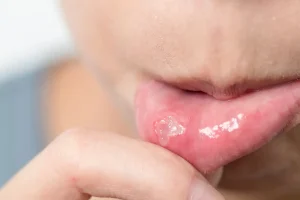
Canker sores (aphthous ulcers) | Causes, symptoms and treatment
Canker sores are painful ulcers on the oral mucosa or tongue that most people experience. Although they are not contagious and usually heal within two weeks, they can significantly affect quality of life. Read more.
