


Dental crowns are one of the most widely used dental solutions available for restoring the functionality and aesthetics of damaged teeth. Crowns are custom-made “caps” that fit over the structure of a damaged or worn tooth to restore its shape, size and strength and to improve its appearance. They can be made from a variety of materials, such as porcelain, ceramic, zirconia, metal alloys or a combination of these materials. The main purpose of a dental crown is to restore a tooth that has been damaged by decay, fracture, wear or after root canal treatment.
Dental crowns are therefore important not only for preserving the structure and function of individual teeth, but also play an important role in maintaining the overall health of the oral cavity and a person’s self-confidence.

Types of dental crowns and their properties
Dental crowns differ in the materials and fabrication techniques used, which determine their properties, applications and recommended use.
Metal-ceramic dental crowns
Metal-ceramic crowns are the traditional choice in dentistry and consist of a metal core covered with a layer of ceramic. This combination is used for its strength and longevity: the metal base provides power, while the ceramic surface gives an aesthetic appearance that mimics a natural tooth. They are ideal for restoring back teeth, where chewing forces are greatest and extra strength is needed.
Advantages and disadvantages
Metal-ceramic crowns offer a number of advantages, including durability and the ability to withstand strong chewing forces, which is particularly useful for restoring back teeth. The ceramic coating allows the colour to be matched for a natural look. Nevertheless, there are also some drawbacks, such as possible wear of the opposing tooth and the potential visibility of the metal edge at the gum line if the gums recede over time.
All-ceramic dental crowns
All-ceramic dental crowns, or zirconia crowns, are known for their exceptional ability to mimic the natural appearance of teeth, thanks to the properties of ceramic materials, which reflect light in a similar way to natural tooth enamel. They are made without a metal base that could affect the colour, so all-ceramic crowns offer a high degree of aesthetic adaptability and are ideal for restoring front teeth, where appearance matters most.
They are the best choice for anyone who wants the most natural look possible, as a skilled OrthoDental dentist can make sure they precisely match the colour and shine of the neighbouring teeth. In addition to aesthetics, these crowns are also biocompatible, which means there is a lower risk of allergic reactions. Zirconia crowns are known for their exceptional strength and durability, making them a suitable choice for both front and back teeth. The material is resistant to fracture and wear, so these crowns are ideal for anyone looking for a long-lasting solution.
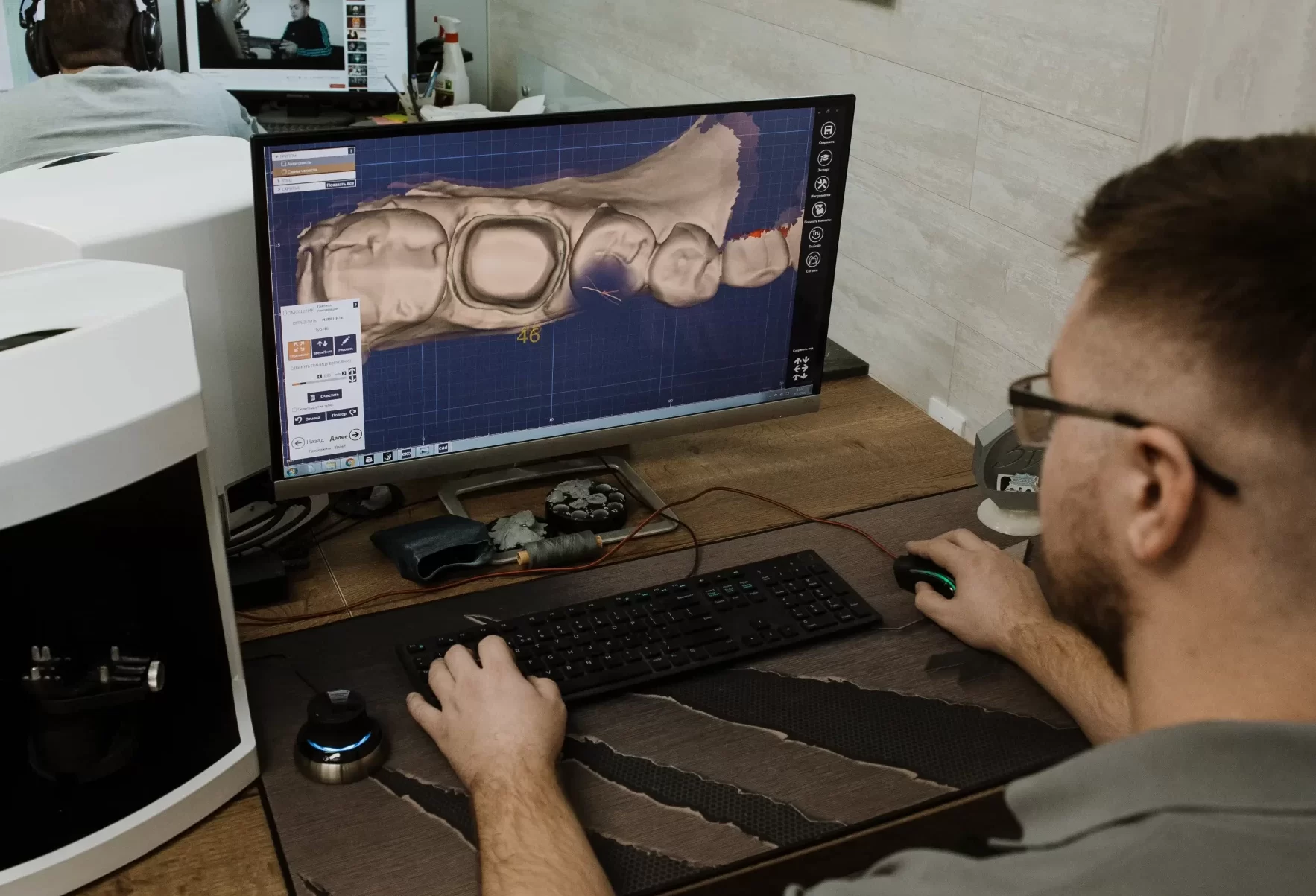
The dental crown placement process
Placing a dental crown requires precision and care from the dentist. Each step is crucial to ensure the proper fit and functionality of the final restoration.
Preparing and reshaping the tooth
Before the dentist can fit a dental crown, the tooth needs to be prepared. This usually involves removing part of the tooth enamel and shaping the tooth to create the optimal form for the crown. This procedure requires precise measurement so that the crown sits correctly on the tooth without causing problems with the bite or the neighbouring teeth.
Taking impressions and fabricating the crown
After the tooth is prepared, the dentist takes an impression, which is sent to a dental laboratory where the custom crown is made. While the crown is being fabricated, the patient usually wears a temporary crown that protects the prepared tooth and maintains aesthetics.
Fitting the dental crown
Once the dental crown is made, the dentist adjusts it and permanently cements it in place using a special dental cement. After placement, it is important that patients follow the instructions for proper care and maintenance of the crown, which will extend the life of the crown and maintain oral health.
Important factors when choosing a dental crown
Choosing the right dental crown is an important decision that can affect both your long-term health and your daily comfort. There are several key factors to consider when deciding. Our experts at OrthoDental are here to help you find the right solution for you. Dental veneers may also be the right solution.

What matters when choosing the material of a dental crown?
The materials that dental crowns are made from directly affect their durability and the appearance of your teeth. The biocompatibility of the materials is also an important factor to consider, especially for those with specific allergies or sensitivities. At OrthoDental we take the time to help you choose based on your specific situation.
We offer two types of materials for dental crowns: high-quality ceramic and zirconia. Ceramic dental crowns are highly desirable because of their biocompatibility and their ability to mimic the natural shine of teeth. They are valued for their exceptional strength and fracture resistance, which also makes them ideal for teeth at the back of the mouth, where teeth are exposed to greater chewing loads.
Dental crown price
At OrthoDental, two main types of ceramic dental crowns are available, which differ both in the fabrication technique and in price. We can provide monolithic dental crowns, valued for their robustness and cost-effectiveness, at a price of €500. These crowns are usually the solution of choice for less visible teeth that are exposed to strong chewing forces. On the other hand, for more demanding aesthetic needs, especially for front teeth, layered ceramic crowns are available at €650. These dental crowns allow excellent colour matching, which is extremely important for achieving the natural aesthetics of your smile.
Caring for dental crowns after placement
After a dental crown is placed, it is important that patients pay special attention to the maintenance and care of their new crowns, as this will affect their longevity and the overall health of the oral cavity.
Regular cleaning and maintenance
Dental crowns require the same regular cleaning as natural teeth. This includes thorough brushing at least twice a day and flossing at least once a day to prevent plaque build-up at the edge of the crown and on neighbouring teeth. Although crowns cannot decay, a lack of proper hygiene can lead to tooth decay in the part of the tooth under the crown, or to gum inflammation.
The importance of regular dental check-ups
Regular dental check-ups and cleanings are essential for maintaining the health of your dental crowns and your entire oral cavity. During regular check-ups, the dentist will check the condition of the dental crowns and the surrounding tissue, and assess the fit and wear of the crowns. Keeping teeth and periodontal tissues healthy is essential, not only for the long life of the dental crown, but also for your overall wellbeing.
Dental crowns play an important role in modern dentistry, not only restoring the functionality and aesthetics of damaged teeth, but also supporting the long-term health of the oral cavity. Proper cleaning and care of your dental crowns will prevent problems and ensure that your smile stays healthy and radiant. With a considered choice and good care of your crowns, you will be able to enjoy their benefits for many years.
Wondering what dental caps are? Read more – https://orthodental.si/en/dental-caps/


Tooth bonding – when does dental bonding make sense?
Tooth bonding is a minimally invasive way to repair chipped, cracked or stained teeth. Learn when bonding makes sense, how the procedure works and how it compares to veneers and crowns.


Tooth Decay and Cavities | Causes, Symptoms & Treatment
Everything you need to know about tooth decay and cavities – from symptoms and causes to effective treatments, and how good oral hygiene and diet keep your smile healthy.

White or amalgam filling? Advantages, disadvantages and prices
White (composite) or amalgam filling? Compare their advantages, disadvantages, durability and prices, and learn how amalgam fillings are safely removed and replaced.
