


Tongue and oral health
White coating on the tongue: common causes and warning signs
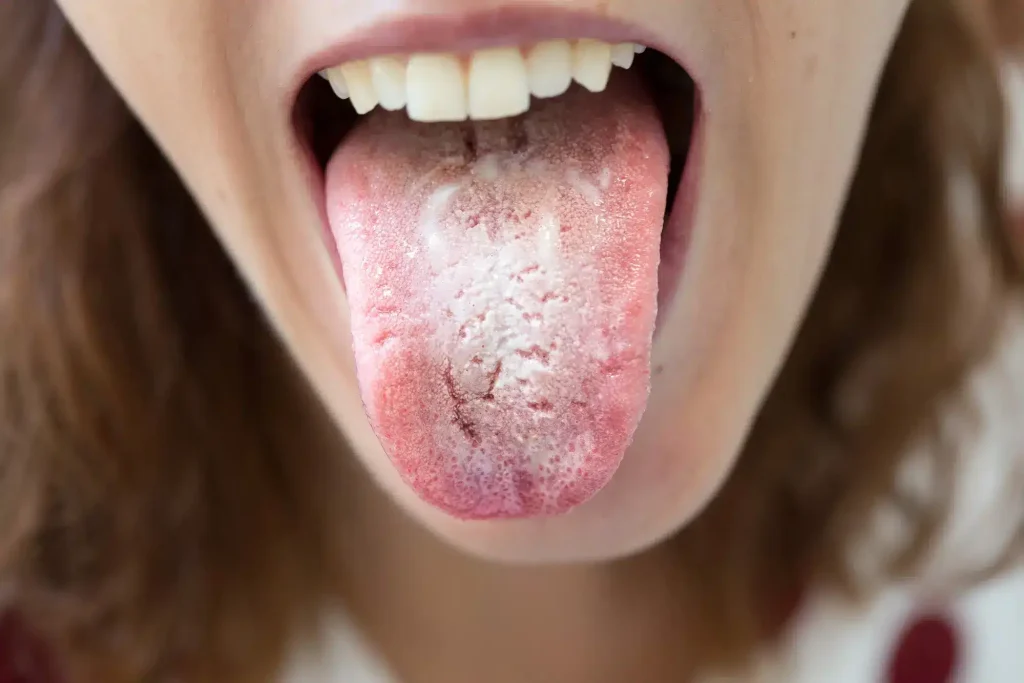
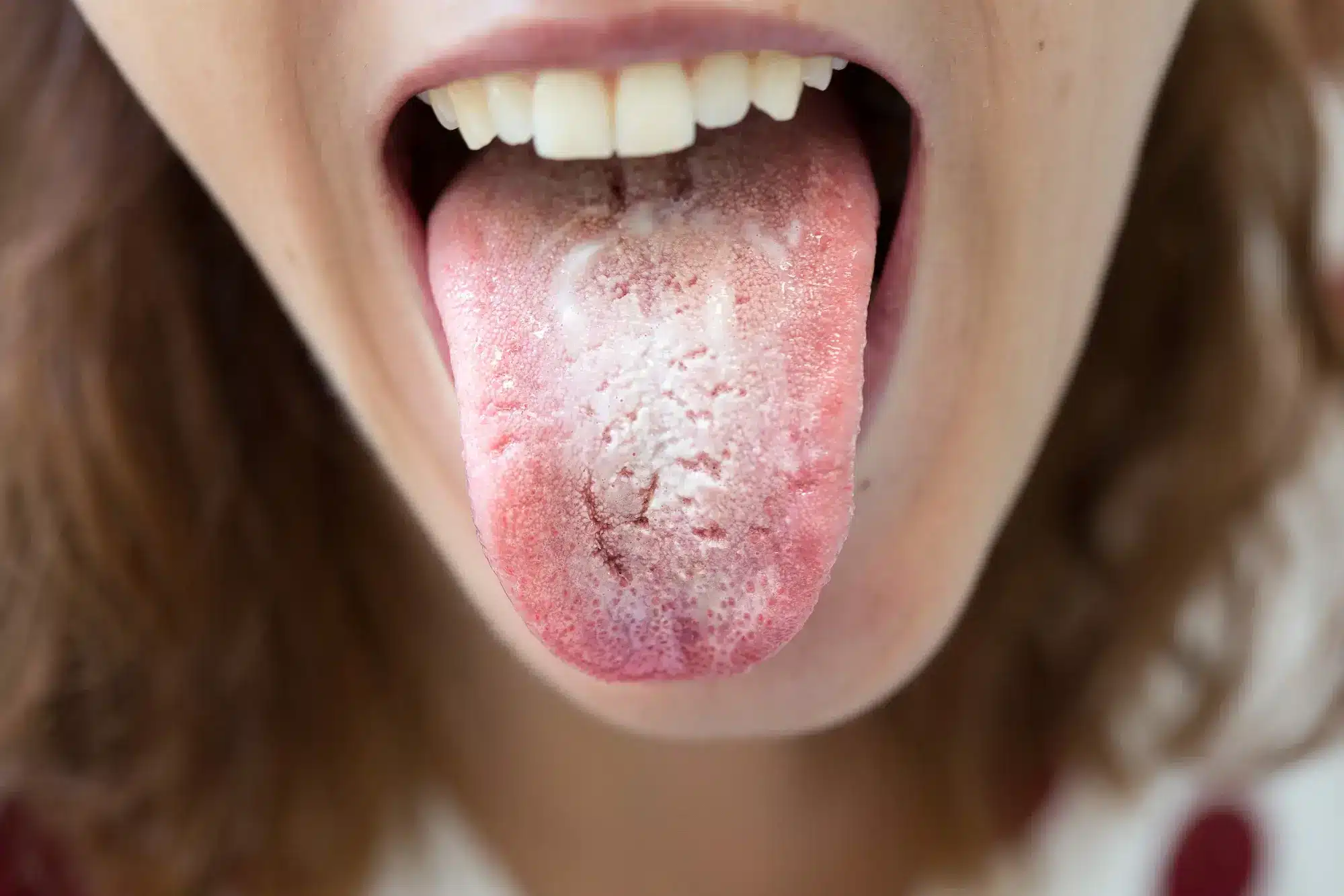
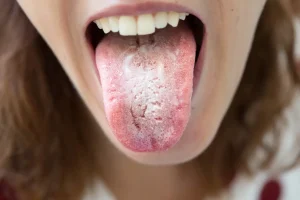
A light coating on the tongue is common and can be linked with debris, dry mouth or changes in oral hygiene. A white patch that cannot be wiped away, repeatedly returns, hurts, bleeds or persists should be examined rather than diagnosed from a photograph.
Why can the tongue look white?
The surface of the tongue contains small projections that can trap bacteria, food debris and dead cells. Dehydration, mouth breathing, smoking, alcohol, recent illness and reduced oral hygiene can make this coating more noticeable.
Other causes include oral thrush, irritation, inflammatory conditions and keratotic white patches. These conditions do not all look or behave the same, so persistence and associated symptoms matter.
What you can do safely at home
Brush your teeth twice daily with fluoride toothpaste, clean between the teeth, drink enough water and gently clean the tongue with a soft toothbrush or tongue cleaner. If a product stings or irritates the mouth, stop using it.
If you wear a removable denture or orthodontic appliance, clean it as instructed. Do not start antifungal treatment without a diagnosis because not every white coating is thrush.
When to book an examination
Arrange an assessment when a patch lasts more than about two weeks, cannot be wiped away, is accompanied by pain, burning, an ulcer, a neck lump, difficulty swallowing, altered sensation or unexplained bleeding. Seek earlier advice if you are immunocompromised or recently used medicines that increase the risk of oral thrush.
A dentist can examine the whole mouth, review medicines and habits, and decide whether treatment, monitoring or referral is needed.
Questions patients ask
Frequently asked questions
Does a white tongue always mean oral thrush?
No. A coating can have several causes. Thrush is one possibility, especially when white patches wipe away and leave a red surface, but diagnosis should be made clinically.
Should I use a tongue scraper?
Gentle use can help remove a simple coating. Stop if it causes pain or bleeding, and do not use force on a persistent patch.
Which clinician reviews this information?
This article is clinically reviewed by dentist Pia Slana. Persistent changes may require assessment by a dentist, doctor or specialist.
Clinical sources
This article translates and expands the Slovenian OrthoDental source article and was checked against the following patient guidance:
A page cannot diagnose you
Have the problem assessed in person
Tell us what you have noticed and we will help you choose the appropriate examination, clinician and location.

Invisalign price | How much does Invisalign cost?
Current Invisalign prices in Slovenia: €2,500 for Invisalign Small in both arches, €4,000 for Comprehensive treatment, Invisalign First phases at €2,700 and €3,250, and a free first consultation.
Dry mouth (xerostomia) | Causes, symptoms and solutions
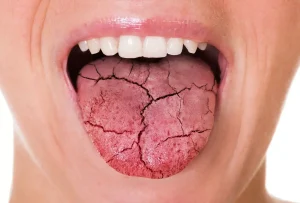
Dry mouth, also known as xerostomia, is more than just an inconvenience; it can affect your daily activities and general health. Learn about the causes, symptoms and practical solutions for managing it.
White coating on the tongue: common causes and warning signs
A white-coated tongue is often temporary, but persistent or painful changes need assessment. Learn about hygiene, dry mouth, thrush and warning signs.
