


Medically reviewed by Pia Slana, dentist · Last updated: July 2026
- Tooth discolouration is either extrinsic (surface stains from coffee, tea, wine, smoking) or intrinsic (from inside the tooth — injury, medicines, fluorosis, ageing).
- Surface stains usually respond well to professional cleaning or whitening; internal discolouration may need endodontic or cosmetic treatment.
- A tooth that turns grey after a knock may have a damaged nerve — see a dentist promptly.
- Prevention: good daily hygiene, limiting staining food and drink, not smoking, and regular check-ups.
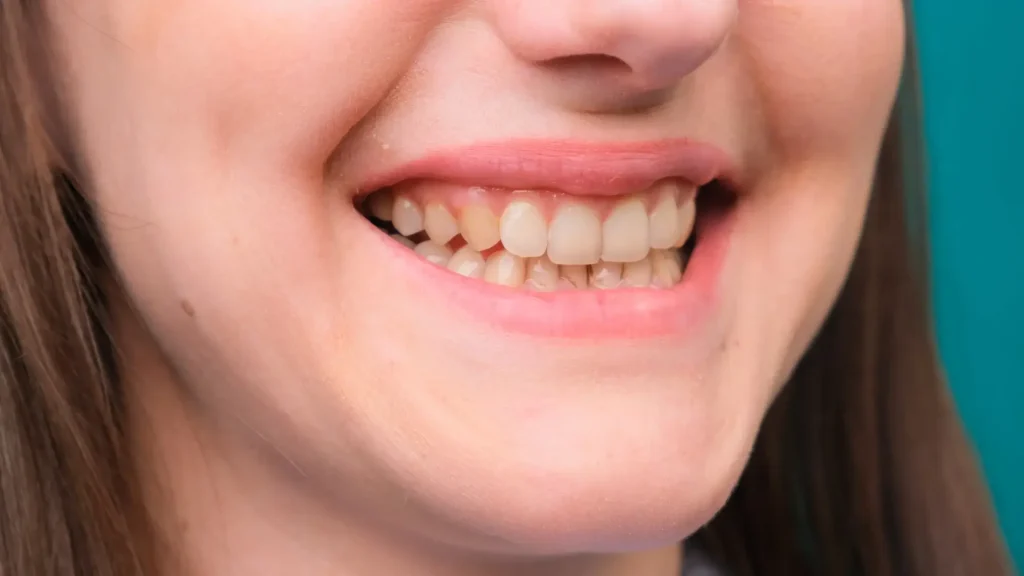
Are yellow teeth bothering you, and are you wondering why teeth become discoloured in the first place? Many people ask this question when they notice changes in the colour of their teeth. Changes in tooth colour can affect your confidence and overall satisfaction with your smile. The reasons for tooth discolouration are numerous and range from genetic factors to lifestyle.
The most common causes include eating and drinking certain foods and drinks such as coffee, tea, red wine and some fruits like blueberries. Smoking and tobacco use are also among the main culprits for yellowing or darker marks on the teeth. Beyond these external factors, tooth colour is also affected by certain medicines, dental injuries and the natural ageing process.
The natural colour of teeth and the effect of ageing
Teeth are not perfectly white in themselves. The natural colour of teeth ranges from light yellow to light grey, depending on the enamel and the dentin beneath it. Over the years the enamel thins and the dentin can become darker, which affects the overall colour of the teeth. Ageing therefore naturally contributes to gradual discolouration, which can be accelerated by diet, smoking and oral hygiene.
Understanding tooth discolouration
Tooth discolouration can be divided into intrinsic and extrinsic. Extrinsic discolouration appears on the surface of the enamel and is usually the result of certain foods, drinks or smoking. Intrinsic discolouration occurs inside the tooth and can be caused by various medical and health factors.
Extrinsic discolouration is often easier to address with professional cleaning or teeth whitening. Intrinsic discolouration, which stems from changes in the tooth structure or from certain medicines, can be more stubborn and require more complex dental procedures.
| Treatment | What it changes | Reversible |
|---|---|---|
| Teeth whitening | Colour & shade | Non-invasive |
| Composite bonding | Shape & minor gaps | Yes |
| Veneers | Colour, shape & size | No |
The effect of lifestyle on tooth colour
Lifestyle plays a key role in maintaining the natural colour of teeth. Smoking and drinking coffee, tea and red wine are among the most common causes of extrinsic discolouration. Certain foods, such as blueberries, soy sauce and curry, can also leave marks on the teeth.
The effect of antibiotics and injuries
The use of certain antibiotics in childhood, or injuries that affect the tooth pulp, are common causes of permanent changes in tooth colour. Amalgam fillings can also cause a greyish discolouration of the surrounding tooth tissue over time, while excessive fluoride intake during tooth development causes fluorosis, which shows as white or brown spots on the teeth.
Discolouration due to physical injury
When a person falls or otherwise hits a tooth, this can cause the tooth to “die” and gradually change its colour to greyish or black. This happens because of damage to the blood vessels inside the tooth, which cuts off the supply of blood and nutrients. This is an intrinsic discolouration that cannot be removed with standard teeth whitening methods.
In such cases it is important to consult a dentist as soon as possible. One option is root canal treatment, where the dentist removes the dead tissue from inside the tooth and fills it with a protective material to prevent further infection. In some cases the dentist may also suggest cosmetic procedures to restore the natural colour and shape of the tooth.
Strategies for preventing tooth discolouration
The key to maintaining the natural colour of teeth is prevention. Regular, correct tooth cleaning, avoiding foods and drinks that cause discolouration, and quitting smoking are fundamental strategies. It is also important to avoid excessive consumption of highly acidic foods, which can erode the enamel and make discolouration easier.
5 tips for preventing tooth discolouration
- Avoid foods and drinks that cause discolouration: limit coffee, tea, red wine, blueberries and soy sauce, or drink through a straw to reduce contact with the tooth surface.
- Brush and floss regularly: brush at least twice a day with a fluoride toothpaste and floss daily to prevent the build-up of plaque and pigmentation.
- Use a mouthwash: mouthwashes with whitening agents or fluoride can help prevent discolouration and strengthen the enamel.
- Visit the dentist regularly: professional cleaning removes stubborn plaque and surface stains that home brushing cannot, and check-ups catch problems early.
- Consider teeth whitening: for persistent discolouration, whitening may help — consult a professional to choose the safest, most suitable method for your teeth.
Teeth whitening options and their effectiveness
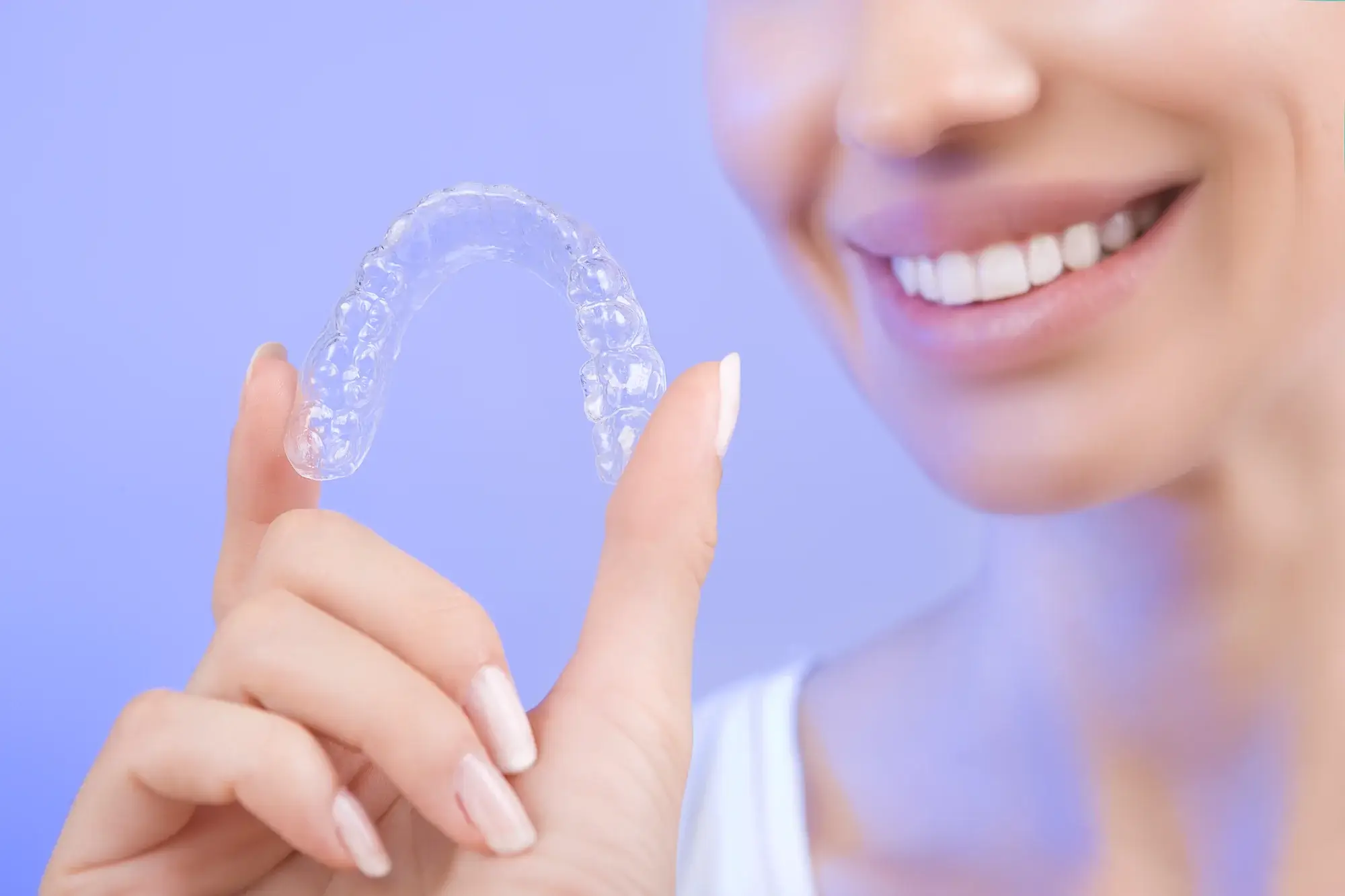
There are several teeth whitening options available, from home kits to professional procedures performed by dentists, as at OrthoDental. Effectiveness can vary depending on the type and cause of the discolouration: home kits can help with surface discolouration, while professional procedures are usually a better choice for deeper, more stubborn stains. The NHS also explains the options and safety considerations in its guide to teeth whitening.
Procedures and techniques
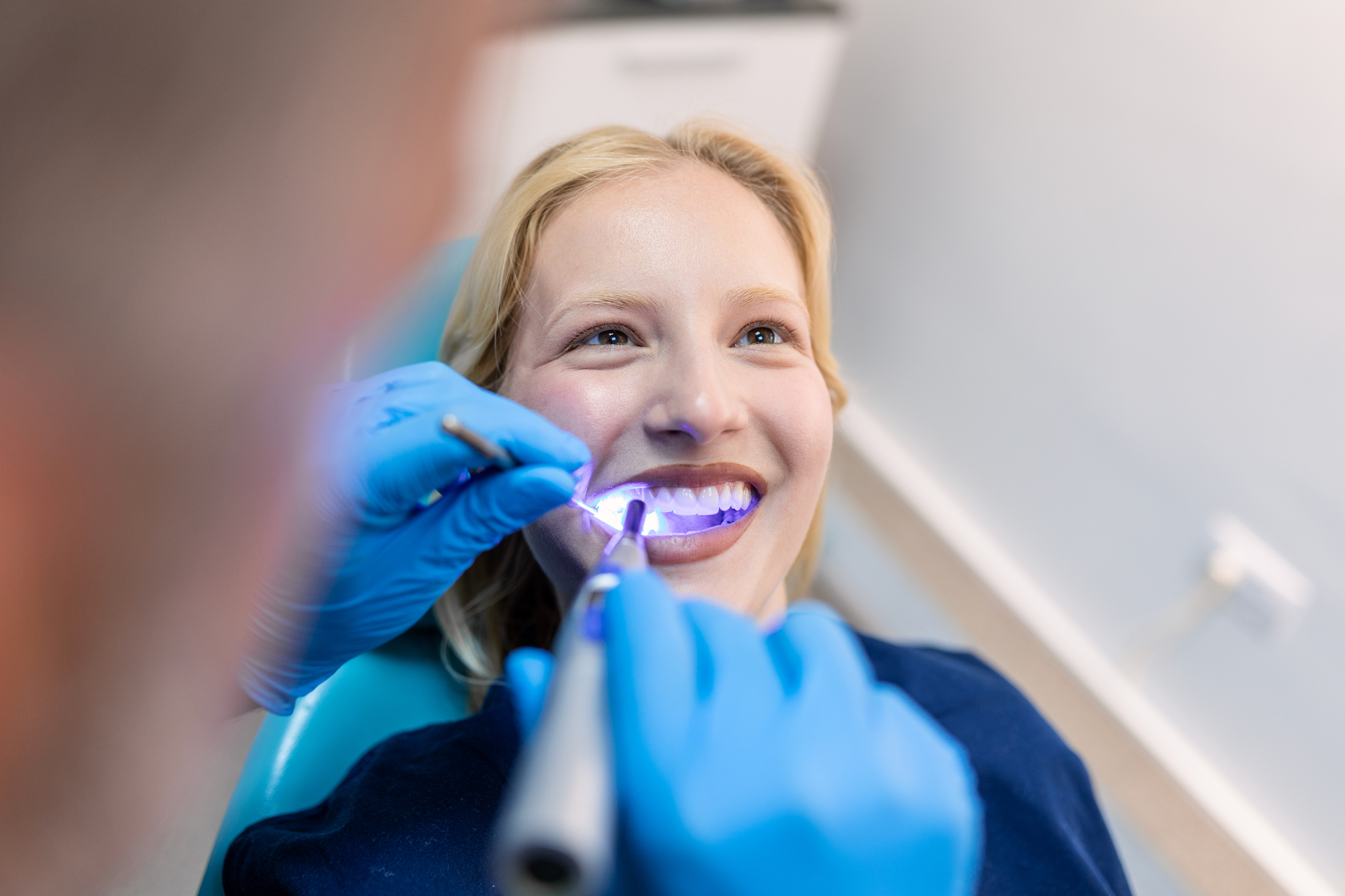
Among the most popular techniques are laser whitening, whitening using special lights and whitening gels. Laser and light-assisted whitening offer fast results, often in a single session, while gel whitening can take a few weeks.
Professional approaches and safety
For the best and safest results, turn to professionals for teeth whitening. While whitening is generally safe, some methods can cause sensitivity of the teeth or gums; dentists can recommend products for sensitive teeth to reduce discomfort, and it is important to follow the whitening instructions.
In the fight against tooth discolouration, a holistic approach is crucial: regular oral hygiene, smart dietary choices, giving up smoking, and regular dental visits for the early detection and treatment of any problems that could affect tooth colour.
Frequently asked questions
Why are my teeth yellow even though I brush regularly?
Natural tooth colour ranges from light yellow to light grey, and thinning enamel with age lets the darker dentin show through. Coffee, tea, wine and smoking add surface stains that brushing alone cannot always remove — professional cleaning or polishing helps.
Can whitening fix a grey, dead tooth?
Usually not. Discolouration after an injury comes from inside the tooth and needs a dentist’s assessment — often root canal treatment followed by internal whitening, bonding or a veneer.
Is teeth whitening safe?
Professionally supervised whitening is generally safe. Some people experience temporary sensitivity; your dentist can adapt the method and recommend products for sensitive teeth.
How can I prevent stains from coming back?
Limit staining food and drink (or use a straw), do not smoke, brush twice a day, floss daily and have regular professional cleanings.
Related reading
Ready for a brighter, confident smile?
Book a dental examination in Ljubljana or Kozina.

Dental check-up price | How much does a dental examination cost?
Looking for dental check-up prices? See OrthoDental’s clear, transparent price list for examinations – you know the cost in advance, with no hidden surprises.
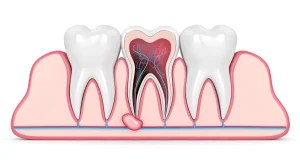
Dental granuloma – why it develops and how it is treated
A dental granuloma is an inflammation around the tooth root, usually caused by deep decay. Learn how to recognise it and how root canal treatment cures it.

Dental tartar cleaning price | How much does scaling cost?
Is tartar building up on your teeth? See our detailed price breakdown and find out how much dental tartar (calculus) removal costs at OrthoDental.
